
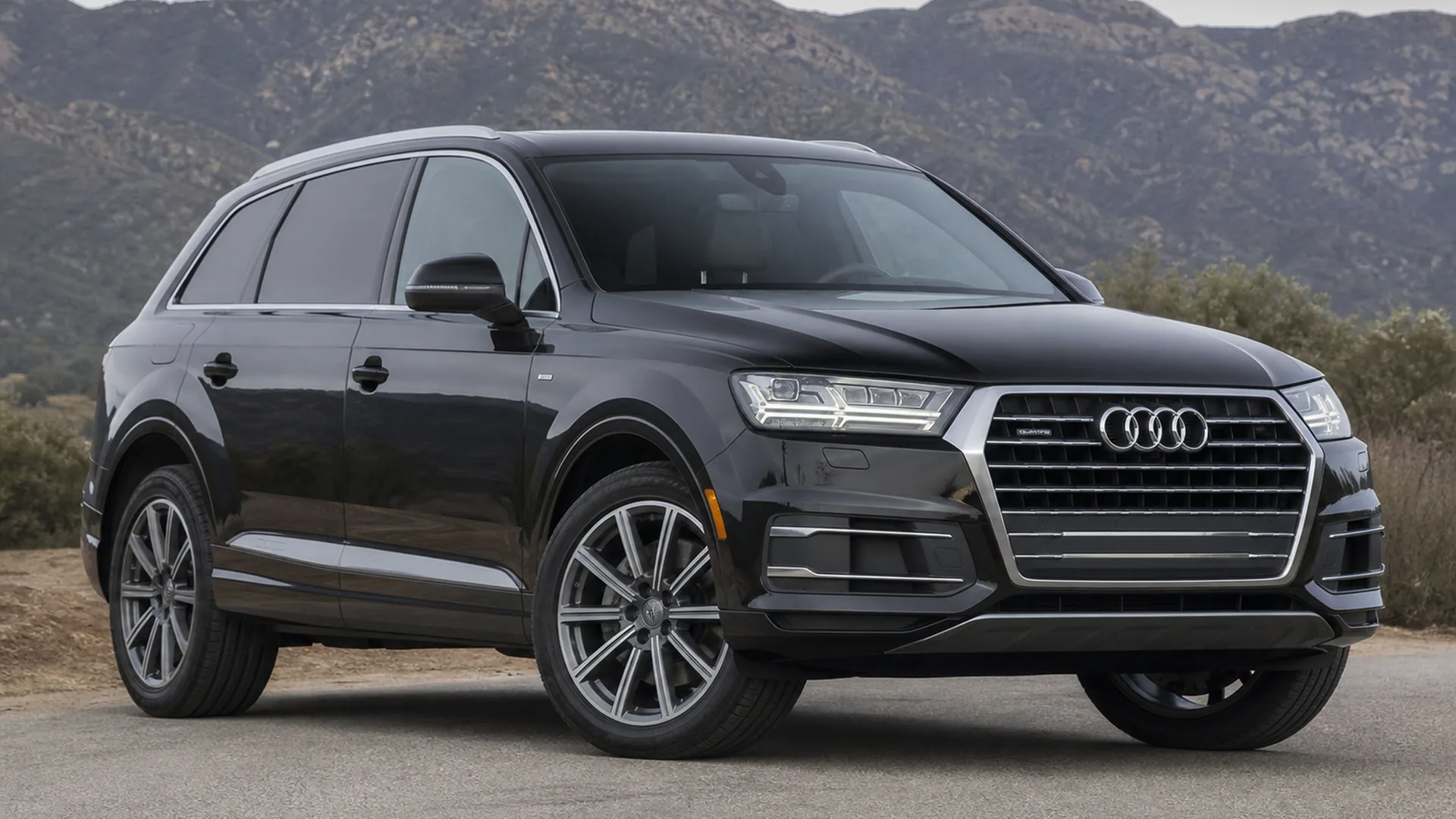
If you’re considering a luxury SUV, knowing which Audi Q7 years to avoid can save you thousands in unexpected repairs and maintenance. The Q7 is one of Audi’s most popular models—offering seven-passenger seating, Quattro all-wheel drive, and refined German craftsmanship that appeals to families seeking both comfort and performance. But beneath the premium image, not every Q7 model year lives up to Audi’s reputation. Some versions are plagued by engine failures, electrical issues, and costly suspension repairs that can quickly drain your wallet.
The worst Audi Q7 years to avoid are 2007–2009 and 2017–2018, both known for severe engine failures, electrical malfunctions, and costly suspension repairs. The best Audi Q7 years to buy are 2014–2015 and 2019, which offer far better reliability, improved build quality, and lower ownership costs. If you’re set on a Q7, focus on these later models with full maintenance records and avoid the early and post-redesign problem years for a smoother, more dependable ownership experience.
How we rated the best and worst Audi Q7 years
Our team spent weeks combing through NHTSA recall databases, Consumer Reports reliability surveys, and thousands of owner complaints from CarComplaints.com and AudiWorld forums. We cross-referenced this data with depreciation studies from iSeeCars and maintenance cost analyses from RepairPal. The result? A clear picture of which Q7 model years consistently cause headaches and which ones you can actually trust. We also consulted with independent Audi specialists who see these issues firsthand, giving you the real story behind the official statistics.
Most Common Audi Q7 Problems
Before examining each issue in detail, it’s important to understand the overall reliability pattern of the Audi Q7. While the Q7 combines luxury, technology, and performance, it has also earned a reputation for high maintenance costs and recurring mechanical and electronic faults. The most common issues include engine failures, carbon buildup, electronic malfunctions, air suspension breakdowns, and oil consumption. Below is a detailed look at these key problem areas and how they affect long-term ownership.
1. Engine Problems and Costly Repairs
The Q7’s 3.0 TFSI turbocharged V6 engine is the source of many major reliability concerns. A widespread issue is carbon buildup on intake valves, which leads to reduced performance, misfires, and—if untreated—catastrophic engine failure between 70,000 and 100,000 miles. Repairing or replacing the engine can cost between $12,000 and $18,000.
The 2017 and 2018 model years are especially prone to these failures, with numerous reports of engine replacements even under warranty. Oil consumption is another serious issue caused by defective piston rings, forcing some owners to add a quart of oil every 1,000 miles. Left unchecked, it can lead to permanent engine damage and expensive rebuilds.
2. Electrical System Malfunctions
Electrical reliability has long been a weak point for the Q7. The MMI infotainment system often freezes, reboots, or goes completely black, leaving drivers without navigation or vehicle controls. Water intrusion in the control module—located beneath the driver’s seat—can short out the system and cause thousands of dollars in repairs.
Other electrical problems include random warning lights, malfunctioning sensors, and parking brake errors that appear without cause. These issues affect nearly every generation of the Q7 and can lead to significant downtime for diagnostics and part replacements.
3. Air Suspension Failures
The optional air suspension system provides a comfortable ride when functioning properly but becomes a major expense when it fails. Common problems include airbag leaks, faulty ride height sensors, and compressor pump failures. Symptoms such as uneven ride height or the vehicle sagging overnight typically occur around 80,000 miles.
Repairs can cost anywhere from $3,500 to $5,000, prompting many owners to convert to traditional coil spring setups to avoid future problems. While this solution reduces maintenance costs, it also sacrifices some of the ride comfort and adjustability that make the Q7 appealing.
4. Oil Consumption and Leaks
Beyond major engine defects, excessive oil consumption is a recurring complaint in both first- and second-generation Q7s. This is often linked to piston ring and valve seal wear. Some owners report needing to top off oil between service intervals as early as 50,000 miles.
Oil leaks from valve covers, timing chain gaskets, and turbocharger seals are also common, leading to burning smells and potential engine damage if ignored. These issues tend to worsen with age, making pre-purchase inspections and service history verification essential when buying used.
5. Brake and Steering Component Wear
Brake system wear occurs faster than expected on many Q7s. Premature rotor warping and squealing are frequent owner complaints, with replacements often required before 40,000 miles. The steering system has also drawn criticism for vibration and play at highway speeds, particularly in 2017–2019 models.
While these issues are less severe than the engine and suspension problems, they contribute to higher overall maintenance costs and reduce driving confidence in what’s meant to be a premium SUV.
Worst Audi Q7 years to avoid
2017: The Perfect Storm of Problems
If there’s one Q7 model year you should run from, it’s 2017. This was the first year of the redesigned second generation, and Audi clearly rushed it to market. Owners report brake failures at just 23,000 miles, complete engine replacements at 89,000 miles, and a laundry list of electronic problems. NHTSA complaint data shows this year has more reported issues than any other Q7 model year.
The 2017’s 3.0 TFSI engine seems particularly prone to carbon buildup and oil consumption problems. Many owners have had entire engines replaced under warranty, only to face the same issues again later.
2018: Still Fighting the Same Battles
The 2018 Q7 didn’t fix the problems from 2017. Oil consumption from defective pistons and piston rings continues to plague these models. Complete engine replacements averaging $20,000 are common once the warranty expires. Water pump failures and suspension problems add to the misery.
While complaint numbers dropped slightly from 2017, the underlying engine and electronic issues remain serious red flags.
2007-2009: First-Generation Growing Pains
The original Q7 launched with its own set of problems. Timing chain tensioner failures were common on early 3.0 TFSI and 4.2L V8 engines, leading to repair bills of $6,000-$8,000. Brake systems wore out prematurely, and the early MMI systems were buggy and unreliable.
Electrical problems were rampant, with owners reporting engines that wouldn’t start around 63,000 miles. Air suspension failures and fuel pump recalls added to the headaches.
Checking a used Audi?
Scan for hidden fault codes from your phone in minutes — before you buy.
REREV may earn a commission if you sign up through this link. Learn more.
Years That Are Risky But Not Hopeless
2019: Getting Better But Still Problematic
The 2019 Q7 shows improvement over the disastrous 2017-2018 models, but problems persist. Oil consumption issues continue, though at lower rates. Electrical malfunctions and brake problems still pop up regularly. This year represents a transition period before the 2020 redesign.
2020-2022: New Generation, New Problems
The latest Q7 generation introduced mild-hybrid systems and updated electronics, but early reports aren’t encouraging. Software bugs, hard transmission shifts, and electronic parking brake malfunctions are becoming common complaints. The complexity of these newer systems may lead to expensive repairs down the road.
2010-2015: Middle Years With Mixed Results
After the problematic launch years, the mid-generation Q7 models improved somewhat. The 2014-2015 models are probably the most reliable of the first generation, though they still suffer from valve cover oil leaks, occasional turbocharger problems, and aging electronics.
The TDI diesel models from this era face additional risks from injector problems and emissions system failures.
Best Audi Q7 years to Buy
Best Choices: 2014-2015 and 2019
If you’re set on Q7 ownership, your safest bets are the final first-generation models (2014-2015) or the transitional 2019 model year. These have the fewest catastrophic failures, though you’ll still face higher-than-average maintenance costs.
Always insist on complete service records and get a pre-purchase inspection focusing on the timing chain, air suspension, and electronics. Budget at least $2,000-$3,000 annually for repairs and maintenance.
Essential Buying Tips
Look for Certified Pre-Owned models with remaining warranty coverage. Avoid any Q7 without documented oil changes every 5,000 miles—these engines are unforgiving. Check for outstanding recalls and make sure they’ve been completed.
Consider buying from a dealer that offers extended warranty options. With Q7 reliability issues, that extra coverage often pays for itself.
Better Alternatives That Won’t Break the Bank
BMW X5 (2016-2018, 2021+)
Consumer Reports awarded the 2016 X5 a 4/5 reliability score and the 2017 X5 earned a perfect 5/5. These years offer similar luxury to the Q7 but with fewer major mechanical problems. The newest X5 models (2021+) continue this reliability trend with mostly minor issues like tire noise or software bugs appearing after 60,000+ miles.
Acura MDX (2017-2020)
The MDX represents the reliability champion in this segment. These years share a proven 3.5L V6 engine and established platform with very few reported problems. Maintenance costs are significantly lower than German luxury SUVs, and Honda‘s build quality means fewer surprises. The trade-off is less horsepower and a more conservative driving experience.
Volvo XC90 (2014, 2020)
The 2014 XC90 represents the refined end of the first generation, while 2020 models benefit from early second-generation improvements. Both years show excellent reliability records with mostly minor issues like water leaks or brake dust. The XC90 offers comparable luxury with Volvo‘s robust AWD system and simpler electronics.
Is the Audi Q7 worth buying?
Skip the Audi Q7 entirely unless you find an exceptional 2014-2015 or 2019 model with perfect maintenance records and extended warranty coverage. The 2017-2018 models should be avoided at all costs, and the early years (2007-2009) are equally problematic.
Your money goes much further with a Lexus RX, Acura MDX, or Genesis GV80. These alternatives deliver the luxury experience you want without the constant repair bills and rapid depreciation that plague the Q7.
If you absolutely must have a Q7, budget for expensive surprises and keep your warranty paperwork handy—you’re going to need it.