
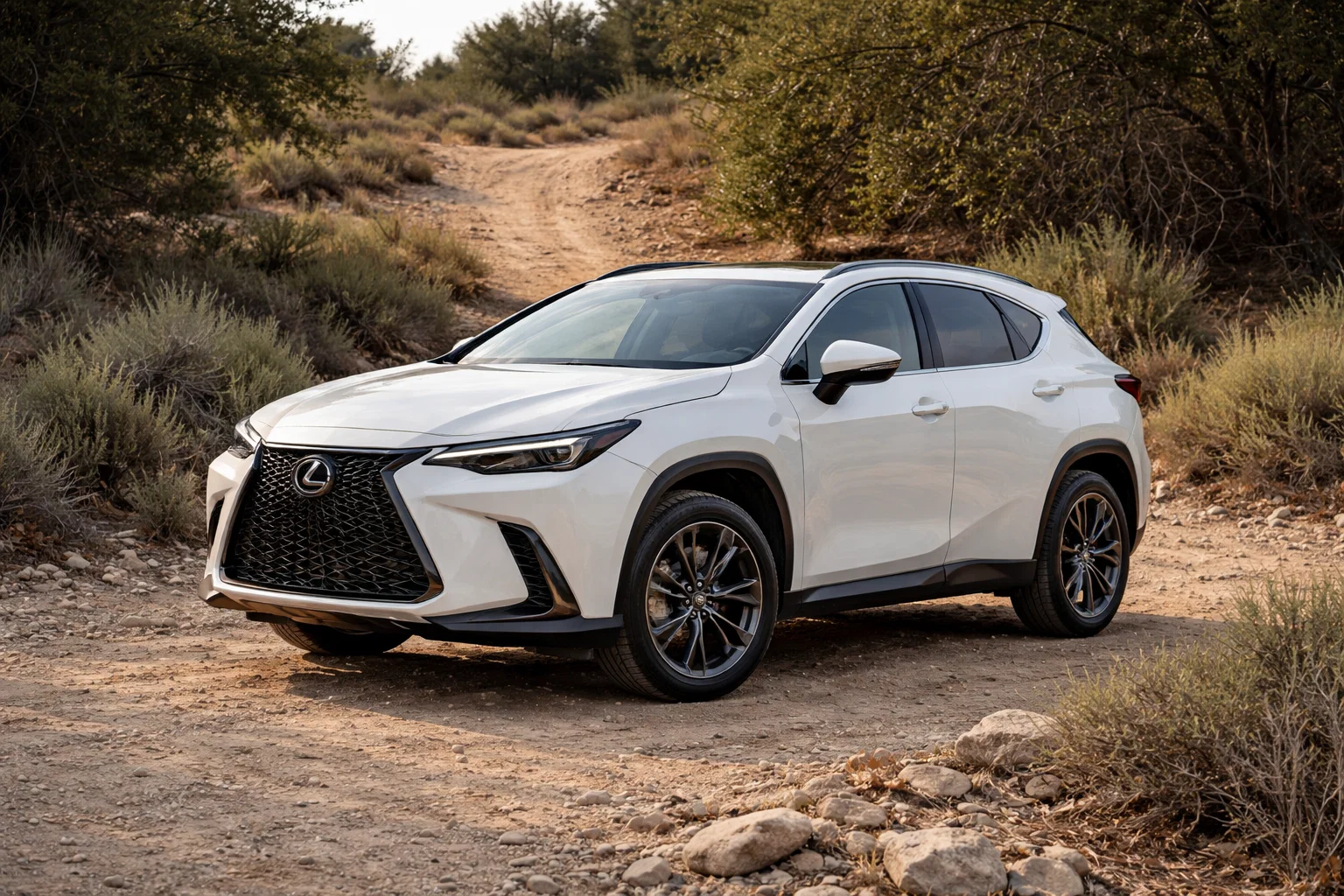
How we rated the best and worst Lexus NX years
We didn’t just skim a few forum posts and call it a day. Our team dug into NHTSA complaint databases, Consumer Reports reliability ratings, and J.D. Power owner satisfaction surveys. We cross-referenced Lexus service bulletins with real-world feedback from enthusiast forums, YouTube reviewers, and dealership service data. We looked at warranty claim trends, recall records, and even depreciation patterns to understand which years hold up over time.
The result? A clear picture of recurring problems across two generations of the NX, model-specific failure patterns, and the real cost of ownership by year. We focused on issues that affect your wallet and your safety—not just minor annoyances. If a problem showed up repeatedly in multiple sources and years, it made our list. If it was a one-off complaint from a single owner, we left it out.
Most Common Lexus NX Problems
Let’s be honest: the Lexus NX ranks among the most reliable luxury compact SUVs you can buy. But “most reliable” doesn’t mean perfect. Certain years and specific systems have caused headaches for owners, and knowing what to look for can save you thousands down the road.
1. Engine Problems: Oil Leaks and Hesitation
Early first-gen NX 200t models (2015–2016) had a recurring issue with the 2.0L turbo engine: excessive oil consumption and leaks, particularly from the rear main seal. Some owners reported needing to top off oil between changes, which shouldn’t happen in a modern luxury vehicle. There were also complaints about hesitation and sluggish acceleration—symptoms often tied to turbo lag or engine tuning quirks. Lexus issued ECU updates and revised piston rings to address the oil consumption, but if you’re looking at a 2015 or 2016 NX 200t, make sure those fixes were applied.
The hybrid NX 300h, by contrast, has been rock-solid. Its naturally aspirated engine shares DNA with Toyota’s proven hybrid system, and the main complaint is occasional carbon buildup in the EGR system at higher mileages—something that can cause a rough idle but is relatively easy to clean.
One more thing: a large fuel pump recall hit certain 2015 and 2018–2019 NX models. A failing pump could cause the engine to stall, which is both dangerous and annoying. The fix was a free dealer replacement, but check that any used NX you’re considering had this recall completed.
2. Transmission Issues: Jerky Shifts and Hesitation
The 6-speed automatic in the first-gen NX 200t was generally smooth, but 2015–2016 owners reported harsh or jerky shifting, especially at low speeds or during acceleration. These issues were largely software-related, and Lexus released TSB updates to refine shift quality. By 2017, most of these problems were resolved. The NX 300h’s CVT and the new 8-speed auto in the 2022+ NX have had almost no complaints. Outright transmission failures are rare, so if you’re test-driving an older NX, pay attention to how it shifts—any hesitation or roughness is a red flag.
3. Electrical and Infotainment: The Biggest Complaint
If there’s one thing that consistently frustrated NX owners, it’s the infotainment system. The first-gen NX (2015–2021) used Lexus’s older Enform system with a joystick-style Remote Touch interface. Owners complained about screen freezes, laggy navigation, and a Bluetooth connection that felt like it was from 2005. Lexus added a slightly larger screen in 2018 and Apple CarPlay in 2019, which helped, but many drivers still found the system clunky compared to competitors.
The second-gen NX (2022+) introduced a new touchscreen interface that’s a massive improvement—more intuitive, faster, and finally on par with rivals. Early 2022 units had a few software bugs (blank screens, backup camera delays), but Lexus issued over-the-air updates and a recall to fix the backup camera glitch. By 2023, most of those teething issues were ironed out.
Beyond infotainment, other electrical problems have been minor. Some 2022 NX owners reported a sticky fuel filler door that wouldn’t open without manual help—Lexus fixed this under warranty with a new actuator or lubrication. A small percentage of owners also cited random parking sensor false alerts or other sensor glitches, usually resolved by dealer recalibration. And if you leave an NX (especially hybrids) sitting for long periods, the 12V battery can drain and require a jump—a common quirk in modern cars with lots of electronics and smaller batteries.
4. Brakes and Suspension: Mostly Solid, with a Few Exceptions
Brake hardware on the NX is generally durable, but there was one notable issue: a recall on roughly 3,000 units of the 2015 NX 200t for a defective ABS actuator that could affect braking performance. Dealers replaced the part on affected vehicles. Some NX owners also reported a buzzing or whining noise from the ABS pump after turning off the vehicle. A brief noise is normal (it’s the system self-testing), but a continuous pump noise could indicate a failing actuator.
On the suspension side, a few first-gen NX models developed rattles or clunking noises, often traced to worn bushings or strut mounts. These issues weren’t widespread, but some owners needed shock absorber replacements or bushing repairs around 50,000 miles. F-Sport models, with their firmer suspension and larger run-flat tires, also tend to have a harsher ride and more road noise—but that’s a design trade-off, not a defect.
5. Air Conditioning: Occasional Failures
The NX’s climate control system is generally reliable, but there have been periodic reports of weak AC performance or outright failure. Some owners found the AC not blowing cold air or losing refrigerant charge. In a few cases, the compressor or condenser failed and had to be replaced—sometimes under warranty, sometimes not. These AC issues have popped up in various years (2015, 2016, and some 2018–2020 models), but not at alarmingly high rates. If you’re buying used, make sure the AC blows cold. Compressor replacement can run over $1,000, and while outright failures aren’t common, it’s worth checking.
For hybrid NX models, there’s one extra maintenance tip: keep the hybrid battery cooling fan and filter clean. A clogged filter can reduce AC efficiency and trigger warning lights. The fix is easy—just clean or replace the filter—but it’s something to keep in mind if you have pets or drive in dusty areas.
6. The Bottom Line on Reliability
Even with this list of issues, the Lexus NX remains one of the most reliable luxury compact SUVs on the market. Many of these problems affected only a small fraction of owners, and Lexus often addressed them through recalls or technical service bulletins. RepairPal gives the NX a solid 4.0 out of 5 for reliability, and in markets like the UK and Asia, the NX—especially the hybrid 300h—has consistently scored above average. Hybrid drivetrains have been known to last well beyond 150,000 miles with routine maintenance.
Knowing these common problem areas simply helps you check that any used NX you’re considering has had the appropriate fixes (software updates, recalls performed, etc.) and to be aware of what could arise down the road. Most owners enjoy trouble-free ownership, with only routine maintenance on the schedule.
The Worst Lexus NX Years: Models to Avoid
While the NX is reliable overall, a couple of model years stand out for higher problem rates and owner complaints. If you’re shopping for a used NX, these are the years to approach with caution—or skip altogether.
2016 Lexus NX: The Problem Child
The 2016 NX has earned the dubious distinction of being the worst year for reliability. Consumer Reports flagged it with below-average reliability ratings, and owner complaints piled up around engine and drivetrain troubles. The 2016 NX 200t had widespread reports of engine oil consumption, rough transmission shifting, and hesitation under acceleration—far more than any other year. The infotainment system also froze more frequently in this year.
Essentially, 2016 was a sophomore slump. Lexus implemented fixes by 2017 (revised piston rings, ECU programming to curb oil use, transmission software updates), but if you’re considering a 2016 NX, you need to verify that those issues were addressed. Service records are non-negotiable here. Given the choice between a 2015 or 2017+ and a 2016, the 2016 is the one to skip.
2021 Lexus NX: The Final Year Disappointment
The 2021 NX was the last year of the first generation, and unfortunately, it didn’t go out on a high note. Owners complained about paint and trim problems—easily chipping or flaking paint (especially on certain colors) and exterior trim pieces that wore prematurely. There were also reports of excessive road noise from the wheels and tires, and some electrical annoyances like windows or sunroofs not operating smoothly.
Mechanically, the 2021 NX is sound—it benefited from six years of refinements—but these niggling build-quality issues hurt its reputation. Lexus issued technical service bulletins for some paint concerns, but some owners had to get panels repainted on their own dime. If you’re buying a 2021, inspect the paint carefully (especially the front end and hood) and listen for any unusual noises. These issues don’t affect drivability, but they’re frustrating in a luxury vehicle. Many shoppers opt for a 2018–2020 NX instead, which offer the same design with fewer cosmetic complaints.
Honorable Mentions: Years That Aren’t Terrible, Just Not Ideal
The 2015 debut model had a few first-year teething issues—some owners noted interior rattles, weatherstripping noise, and a finicky ignition button in early builds. Most of these were corrected under warranty, and overall, the 2015 holds up well. It’s not a year to avoid, but it’s worth a thorough inspection.
The 2022 redesign (first year of the second-gen NX) came with a few software bugs and recalls, including one to fix a backup camera display glitch. This is fairly common for an all-new model. Lexus worked through most of these issues in 2022, and by 2023, the new NX’s reliability has improved to above average. If you want to avoid first-year gremlins, steer toward 2017–2020 in the first generation and 2023+ in the second generation.
But make no mistake: 2016 and 2021 are the only NX years that experts specifically recommend avoiding. Other model years have fewer reported problems and a more consistent reliability record.
The Best Lexus NX Years: Safe Bets for Buyers
On the flip side, several NX model years stand out for their reliability and overall value. These are the years that combine Lexus’s renowned dependability with incremental improvements and few complaints. If you’re considering a used NX, these are the smart picks.
2015 Lexus NX: A Strong Debut
The inaugural 2015 NX came out of the gate strong. It’s reliable and well-built, benefiting from tried-and-true Toyota/Lexus components (the NX shares its platform and engines with the RAV4 and Lexus ES/IS). You get a stylish, well-equipped compact luxury SUV at a likely lower price point today due to its age. Consumer Reports rated the 2015 NX’s reliability above average—a sharp contrast to the 2016. Aside from a few early build quirks (some rattles), a 2015 NX with a good maintenance history is an excellent value entry into Lexus ownership.
2017 Lexus NX: The Sweet Spot
The 2017 model is often cited as one of the most trouble-free NX years. Lexus smoothed out the rough edges from 2016 with mechanical refinements and an updated infotainment system. Drivers report a smoother transmission, no significant engine issues, and a quieter ride. Lexus also added a larger infotainment screen with better software responsiveness this year, addressing many complaints about the earlier interface. With these mid-cycle improvements, the 2017 NX hits a sweet spot: modern features with Lexus reliability.
2018 Lexus NX: Safety Tech Standard
The 2018 benefited from a mid-cycle refresh and builds on 2017’s success. This year introduced Lexus Safety System+ as standard, including features like lane departure warning and automatic high beams. Reliability remained rock-solid—consumer surveys show minimal reports of issues for 2018. It’s as reliable as 2017, with a bit more tech and safety. If you want the added peace of mind of advanced safety features, a 2018 NX is a top pick that won’t break the bank.
2019 Lexus NX: Fully Up to Date
The 2019 model year brought the NX fully up to date with infotainment and connectivity. Apple CarPlay and Amazon Alexa integration were added in 2019, and Lexus’s Enform Remote app (allowing remote start, climate control, etc.) became available. These additions addressed the remaining complaints about the NX feeling slightly outdated tech-wise. Reliability remained top-notch—there were no major issues reported for this year. A 2019 NX gives you the best of the first-gen model: all the reliability improvements and all the tech updates.
Why These Years Work
All of these model years earned excellent reviews and have very few reported problems. In long-term ownership surveys, they stand out as providing the “classic Lexus” experience: refined, worry-free driving. It’s also worth noting that 2020 is a solid year (essentially the same as 2019 with Android Auto added), and the 2022+ second-generation NX is showing better-than-average reliability for a new model, after ironing out first-year bugs. Stick to these best years—2015, 2017, 2018, or 2019—and you’ll likely get an NX that delivers on the Lexus promise of quality.
Better Alternatives to the Lexus NX
The Lexus NX is a strong contender, but it’s not the only game in town. Depending on your priorities—bulletproof reliability, greater value for money, or specific features and performance—there are a few alternative SUVs that might suit you just as well or better. Here are some notable alternatives, along with recommended model years.
Acura RDX (2016–2018 or 2021): The Value Play
The RDX is often the closest Japanese rival to the NX. The 2016–2018 RDX featured a proven 3.5L V6 and 6-speed automatic known for reliability. Recent analyses rank the Acura RDX as the most reliable used luxury compact SUV in its class. You get Honda/Acura dependability, a spacious interior, and usually more aggressive pricing than an equivalent NX (Acura tends to depreciate faster, which works in favor of used buyers).
For a newer option, the 2021 RDX (after a 2019 redesign) is worth a look. By 2021, Acura had resolved many of the ’19–’20 RDX’s infotainment bugs, making it a reliable, tech-packed SUV. The RDX offers a slightly sportier ride than the NX and a bit more power (in turbo-four models), though fuel economy is lower. You might find a newer or lower-mileage RDX for the same budget as an older NX—making it a great value play.
Lexus RX (2016–2019): Bigger, But Bulletproof
If reliability is your top concern and you don’t mind a somewhat larger vehicle, the midsize Lexus RX deserves a mention. A used 2016–2019 RX might fall in the same price range as a newer NX. You’ll get a roomier cabin, a silky V6 engine, and exceptional durability—the RX is consistently top-rated for reliability (often #1 in its segment). One long-term longevity study gave the 2021 RX a stellar 8.4/10 reliability score.
The trade-offs: the RX is bigger and less nimble to park, and fuel economy is a bit worse than the NX