
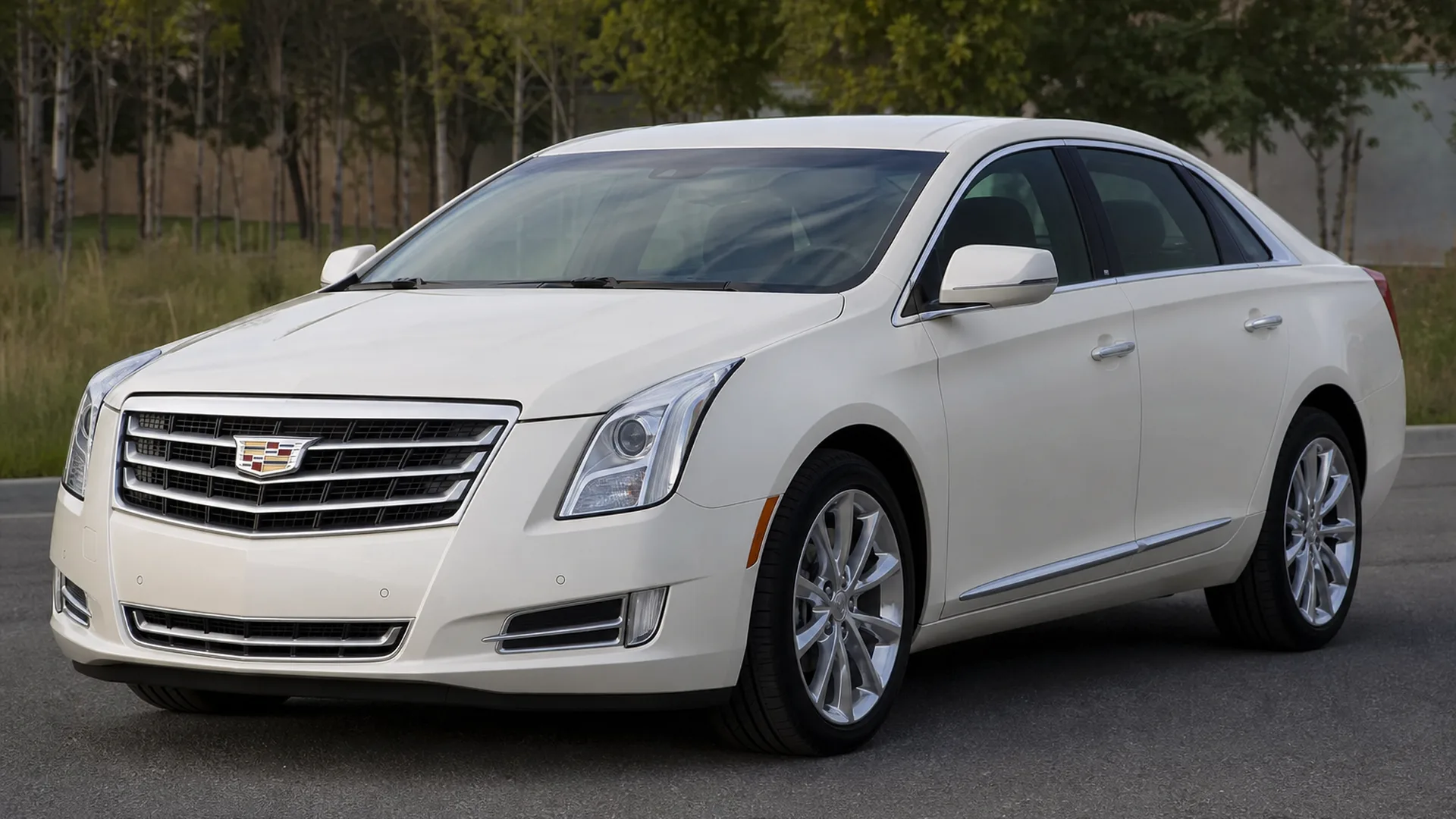
The Cadillac XTS promised luxury buyers everything they wanted: a spacious cabin, smooth V6 power, and cutting-edge technology wrapped in classic American prestige. From 2013 to 2019, this full-size sedan aimed to reclaim Cadillac’s position in the luxury market after replacing the aging STS and DTS models. But here’s what many buyers discovered too late: certain XTS years came loaded with expensive problems that could drain your wallet faster than a leaky gas tank. Between infotainment screens that crack like ice, suspension systems that collapse without warning, and electrical gremlins that make your car act possessed, some XTS model years are best left on the lot.
How we rated the best and worst Cadillac XTS years
Our team spent months analyzing data from multiple sources to give you the complete picture of XTS reliability. We combed through over 1,300 NHTSA complaints, studied 16+ official recalls, and tracked class-action lawsuits (including the major CUE screen failure case). We also cross-referenced Transport Canada recall bulletins, GM technical service bulletins, and Consumer Reports reliability rankings.
Beyond official data, we analyzed thousands of owner reports from Cadillac forums, RepairPal maintenance records, and mechanic feedback across platforms like Reddit and automotive Facebook groups. Since the XTS shared its platform with the Chevy Impala and Buick LaCrosse, we also tracked related problems across these models to spot patterns.
Most Common Cadillac XTS Problems
1. CUE System Nightmares
The Cadillac User Experience (CUE) infotainment system is hands down the XTS’s biggest headache. The touchscreen develops spider cracks that spread like a broken windshield, often starting around the edges and working inward until the whole display becomes unusable. Sometimes the screen just stops responding to touch, leaving you without climate control, navigation, or radio functions.
What makes this worse? Replacement costs run $1,200 to $1,600, and some unlucky owners had their replacement screens fail again within a year. The problem got so bad that owners filed a class-action lawsuit against GM over the defective screens.
2. Electrical System Gone Wild
Beyond the CUE issues, XTS models suffer from bizarre electrical problems that sound like ghost stories. Owners report hazard lights that flash on their own while driving, trunks that pop open on the highway, and complete power loss at traffic lights. Some cars randomly drain their batteries overnight, while others experience warning lights that come and go without explanation.
These aren’t just annoyances – they’re safety risks. Losing power while making a turn or having your hazard lights confuse other drivers can lead to accidents.
3. Suspension Collapse
The XTS’s rear air suspension system has a terrifying failure mode: sudden collapse while driving. Owners describe their cars dropping so low in the rear that the tires nearly rub the wheel wells, creating a dangerous bouncing effect at highway speeds. One driver nearly lost control when both rear air shocks failed at 65 mph.
Front suspension problems are less dramatic but still costly. Struts leak or crack prematurely, causing clunking sounds over bumps. Repair quotes for rear air suspension run $2,500 to $2,800, making this one of the most expensive XTS fixes.
4. Brake System Defects
GM issued multiple recalls for XTS brake problems, including a fire-risk recall affecting nearly 64,000 vehicles. The brake booster pump harness could short out and potentially cause engine fires (two dealer cars actually caught fire before the recall was announced).
Other brake issues include squealing, clunking, and worst of all, brakes that don’t work properly when you need them most. The electronic parking brake sometimes won’t release fully, causing the rear brakes to drag and overheat.
Worst Cadillac XTS years to avoid
2013 XTS: The Nightmare Debut
Skip the 2013 XTS completely. This launch year accumulated over 170 NHTSA complaints and five separate recalls. The CUE screen failures were rampant, with many owners experiencing complete touchscreen death around 40,000-60,000 miles. Rear air suspension collapses were common, and the brake system defects posed fire risks.
Between CUE replacements ($1,500), suspension repairs ($2,800), and multiple recall visits, 2013 XTS ownership becomes expensive fast. Even “fixed” cars often had recurring problems.
2014 XTS: Still Problematic
The 2014 model year didn’t solve the major issues from 2013. CUE screens continued cracking and freezing, rear air suspension still collapsed without warning, and electrical gremlins persisted. One owner nearly crashed when their rear suspension failed at highway speed, causing the car to bounce uncontrollably.
While 2014 had fewer total complaints than 2013, the problems were just as serious and expensive to fix.
2016 XTS: Dangerous Electrical Faults
After a relatively calm 2015, the 2016 XTS brought new electrical nightmares. Some cars would stall or shut off when making right turns – imagine losing power steering and brakes mid-turn in traffic. Others had hazard lights that activated randomly while driving, confusing other motorists.
With over 30 complaints logged and no recalls to fix the stalling issues, 2016 represents another year to avoid.
2017 XTS: Mixed Signals
The 2017 XTS is tricky to categorize. While it benefited from several years of improvements and has fewer overall complaints, it still suffered from electrical bugs. Owners reported trunks opening by themselves while driving and complete electrical system shutdowns at stop lights.
The problems weren’t as widespread as earlier years, but they were serious enough that many experts still recommend caution with 2017 models.
Best Cadillac XTS Years to Buy
2015 XTS: The Sweet Spot
If you’re set on an XTS, the 2015 model year is your best bet. Cadillac had worked out most of the early bugs by then, and the CUE system received important updates. Owner complaints dropped dramatically – fewer than 20 total issues were reported for the entire 2015 model year.
The few problems that did occur were mostly minor suspension wear items, not the catastrophic failures seen in earlier years.
2018 XTS: Peak Reliability
The 2018 XTS represents the pinnacle of the model’s development. With only 5-10 reported issues across all databases, it’s arguably the most reliable year of the entire run. The CUE system problems were largely resolved, and Cadillac gave the car a mild refresh with updated styling and better interior materials.
If you find a 2018 XTS in good condition, it offers the luxury experience with minimal risk of major problems.
2017 XTS: Cautiously Recommended
Despite our earlier warnings about 2017, many owners have had positive experiences with this model year. The complaint count is extremely low, and the updated CUE system proved more reliable than earlier versions. If you can verify that any electrical system updates were completed and test all functions thoroughly, a 2017 XTS can be a solid choice.
Smart Alternatives That Won’t Break Your Budget
Lexus ES 350 (2013-2020): Reliability Champion
The Lexus ES offers similar front-wheel-drive luxury sedan comfort but with Toyota’s legendary reliability. While XTS owners are dealing with $2,800 suspension repairs, ES owners are enjoying trouble-free years with minimal maintenance costs. The 2013-2018 ES generation provides smooth V6 power and actually appreciates in value better than the XTS.
Toyota Avalon (2013-2018): No-Nonsense Luxury
Think of the Avalon as the ES without the luxury badge premium. It shares the same bulletproof drivetrain and offers a spacious interior with a comfortable ride. The simpler electronics mean fewer things can break, and one-owner Avalons with dealer service records are common finds on the used market.
Genesis G80 (2017-2020): Modern Luxury with Warranty Protection
Genesis sedans offer the luxury features you want with Hyundai’s strong warranty backing (often transferable to second owners). The G80 provides V6 or V8 power options and hasn’t developed the chronic problems that plague certain XTS years. Early reliability reports are positive, and any issues would likely be covered under the extensive warranty.
Is the Chrysler Pacifica worth buying?
The Cadillac XTS story is one of missed opportunities. When it works (2015, 2018), it provides genuine luxury sedan comfort with American style. But the problematic years (2013, 2014, 2016) can turn car ownership into a expensive nightmare of screen replacements, suspension repairs, and electrical diagnostics.
If you’re committed to XTS ownership, stick to 2015 or 2018 models and budget extra for potential repairs. Make sure any recalls were completed and test every electronic function during your inspection. But honestly? A used Lexus ES or Toyota Avalon will likely serve you better in the long run, offering similar comfort without the headaches.
Your money, your choice – but now you know which XTS years are worth your consideration and which ones are best left for someone else to worry about.