
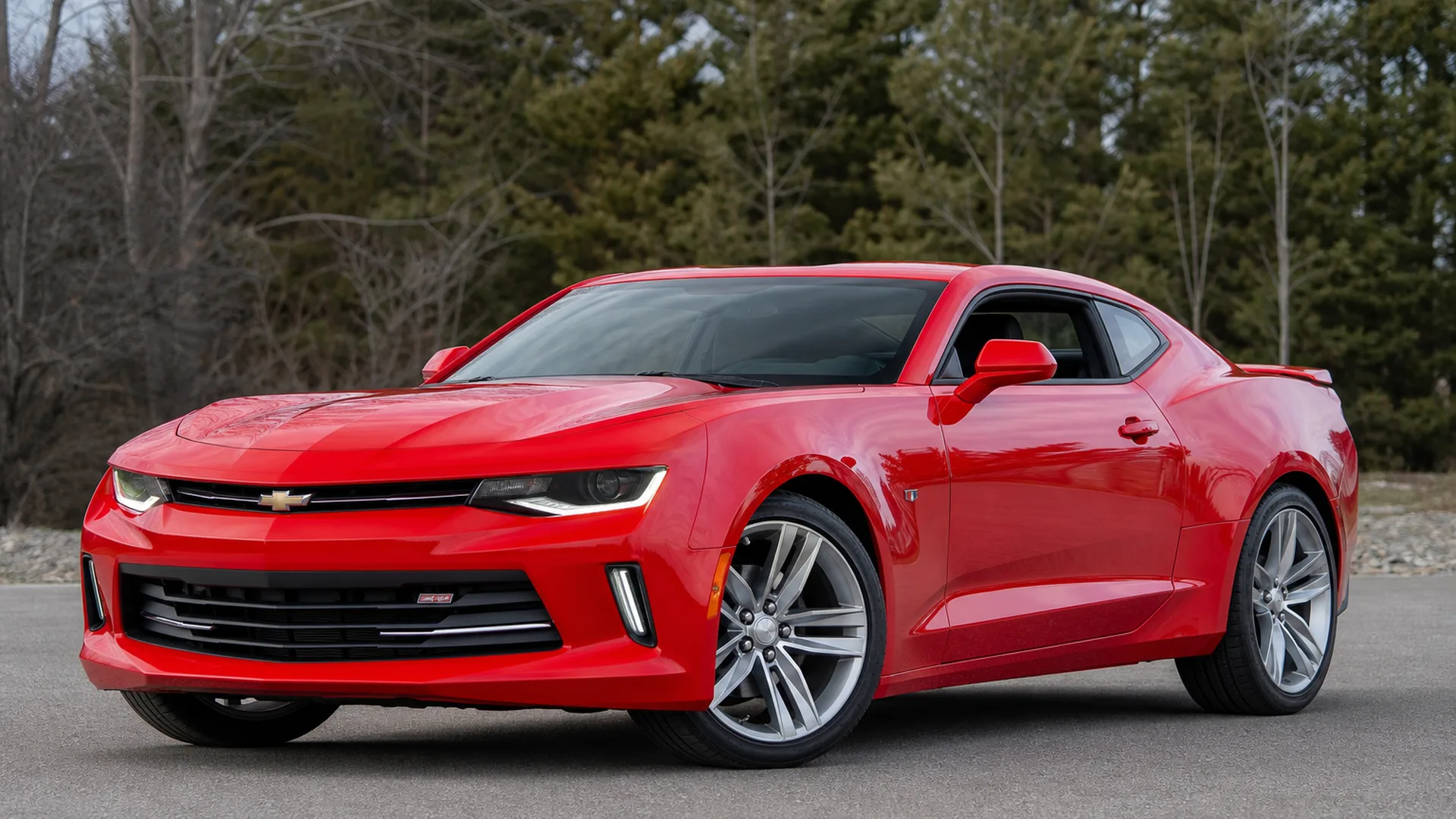
The Chevrolet Camaro is an American muscle car legend—aggressive styling, roaring V8s, and a following that spans generations. But before you drop cash on a used Camaro, you need to know something: not every model year lives up to that iconic reputation. Some years are flat-out problem magnets, riddled with engine failures, electrical nightmares, and transmission headaches that can drain your wallet faster than a quarter-mile pass.
This guide cuts through the noise. We’ve analyzed NHTSA complaints, owner forums, recall databases, and repair cost data to identify which Camaro years you should avoid—and which ones are actually worth buying.
How we rated the best and worst Chevrolet Camaro years
Our research pulls from multiple sources to give you the full picture:
Official databases: NHTSA recall and complaint records, GM Technical Service Bulletins (TSBs), and Consumer Reports reliability ratings
Owner feedback: Real complaints from Camaro5 and Camaro6 forums, RepairPal cost estimates, and aggregated service records
Market analysis: Depreciation tracking, resale value trends, and cost-of-ownership studies
We cross-referenced hundreds of complaints to identify patterns—not just isolated incidents—and focused on issues that affect safety, drivability, or require expensive repairs. The result? A year-by-year breakdown that tells you exactly what you’re getting into.
Common Chevrolet Camaro Problems You Should Know
Before we get into specific years, let’s talk about the recurring issues that plague multiple Camaro generations. These aren’t rare flukes—they’re documented problems backed by repair records and owner complaints.
1. Engine Troubles That Cost Thousands
The 2010–2012 Camaro V6 (LLT engine) has a notorious weak point: premature timing chain wear. Owners reported the chain stretching or even snapping around 50,000–80,000 miles, causing catastrophic engine damage. Symptoms include rough idle, rattling noises at startup, and loss of power. Repair? You’re looking at $1,800–$3,000 depending on labor rates.
Worse, some 2011–2012 owners experienced sudden engine stalling while driving—a terrifying safety issue that killed power steering and brakes mid-drive. One documented case resulted in a collision because the driver couldn’t steer after the engine cut out.
2. Transmission Shudder That Won’t Quit
If you test-drive a 2016–2018 Camaro with the 8-speed automatic and feel a vibration or shuddering during shifts (especially around 40–50 mph), you’ve just met the torque converter shudder problem. GM eventually released a fix involving special transmission fluid, but not before hundreds of owners complained. Some still report the issue returning even after the fluid change.
The fix costs $500–$800 at a dealer, but if the torque converter itself is damaged, you’re facing a $2,000+ bill.
3. Electrical Gremlins Everywhere
The 2013–2015 Camaros earned a reputation for electrical chaos. We’re talking:
- Instrument clusters flickering or going dark
- Radios cutting out mid-drive
- Climate controls turning on by themselves
- Turn signals triggering random warning lights
Most of these trace back to a faulty body control module (BCM) that needs reprogramming or replacement ($400–$800). Some owners also reported issues with wiring harnesses corroding—especially in humid climates—which can cause intermittent shorts.
4. Ignition Switch Recall (2010–2014)
Here’s a big one: GM’s infamous ignition switch defect affected all 2010–2014 Camaros. The switch could turn off if bumped (say, by your knee or a heavy keychain), shutting down the engine while you’re driving. That means no power steering, no power brakes, and airbags that won’t deploy in a crash.
GM recalled these cars to replace the switch, but if you’re shopping used, verify the recall was completed. It’s free to check using the VIN on NHTSA’s recall lookup tool.
5. AC and Climate Control Failures
Fifth-gen Camaros (2010–2015) have a bad habit of AC systems failing early. The 2013 model is particularly guilty—owners complained about the defroster not working (a safety issue in winter) and the AC blowing warm air even after refrigerant recharges.
Common culprits: failed AC compressor ($800–$1,200), clogged condenser, or faulty blend door actuators ($300–$500). The Camaro’s tight engine bay doesn’t help—components run hot and wear out faster than in other cars.
6. Airbag Warning Lights (2010–2011)
The “Service Airbag” light plagued early fifth-gen models, especially 2010–2011. The passenger seat sensor would falsely detect no occupant (or detect a phantom passenger), disabling the airbag or triggering constant warnings.
Dealers quoted $1,000–$2,000 to replace the sensor mat under the passenger seat. Sometimes it was just a loose connector, but other times the entire mat needed replacement. Either way, this isn’t something you can ignore—it’s a safety system.
6. Infotainment Glitches
The MyLink infotainment system in 2013–2015 Camaros had a nasty habit of freezing or resetting mid-drive. The screen would go black, disabling the backup camera and sometimes even interfering with turn signal chimes.
The fix usually involved a software update or replacing the radio head unit ($800–$1,500). Bluetooth connectivity issues were also common—pairing would drop randomly, requiring constant re-pairing.
Worst Chevrolet Camaro Years to Avoid (By Generation)
Not every Camaro year is a nightmare, but these model years consistently rank at the bottom for reliability, safety recalls, and owner satisfaction.
2001–2002: The End of an Era (And Not in a Good Way)
The last two years of the fourth-generation F-body Camaro are widely considered the weakest. By 2001, the platform was outdated—crash test scores were poor, safety tech was minimal, and reliability was sliding.
Common issues:
- Leaky intake manifold gaskets (V6 and V8)
- Piston ring failures on the 3800 V6
- Secondary air injection system failures (triggering check engine lights)
- Optispark distributor problems (expensive to replace, buried under water pump)
If you’re looking at a fourth-gen Camaro, stick to mid-90s models (1996–1999) or budget for repairs on a 2001–2002.
2010–2012: The Comeback That Stumbled
The fifth-generation Camaro returned in 2010 after a seven-year hiatus, and the hype was real. The reality? Not so much.
2010 is the single worst Camaro year on record, with hundreds of NHTSA complaints focused on:
- Timing chain failures (V6)
- Engine stalling while driving
- Airbag sensor malfunctions
- Ignition switch defect (part of GM’s recall)
2011 brought its own issues, including persistent airbag warning lights and continued engine problems. 2012 saw fewer complaints but still suffered from electrical gremlins and the ignition recall.
Unless you find a 2010–2012 with documented timing chain replacement, completed recalls, and a clean service history, skip these years.
2013–2014: Electrical Nightmares
By 2013, the engine issues were mostly sorted, but the electrical system became a disaster. Owners reported:
- Instrument panels flashing like a Christmas tree
- Radios cutting out or displaying blank screens
- HVAC controls failing (no heat, no defrost)
- Turn signals and brake lights triggering random dash warnings
The 2014 model added a new problem: keys getting stuck in the ignition. You’d shift to park, turn off the car, and the key wouldn’t release. The fix involved replacing the shifter interlock mechanism or ignition cylinder.
These years also fall under the ignition switch recall, so confirm that’s been addressed.
2016–2017: A Rough Start for the Sixth Generation
The sixth-gen Camaro debuted in 2016 with a sleeker design, better handling, and modern tech. It also brought two major problems:
Torque converter shudder: The 8-speed automatic transmission shuddered and jerked during shifts, especially at highway speeds. GM’s fix (a fluid change) helped some cars but not all. Some needed a full torque converter replacement ($2,000+).
Electric power steering failures: Multiple 2017 owners reported the power steering cutting out suddenly while driving—a serious safety hazard. GM issued recalls to replace faulty steering components.
If you’re shopping for a sixth-gen Camaro, start with 2018 or newer. The early bugs were sorted by then.
Best Chevrolet Camaro Years to Buy (Reliable Options)
Now for the good news: some Camaro years are genuinely solid. Here’s where to focus your search.
2015: The Best Fifth-Gen Camaro
By 2015, Chevy had ironed out most of the fifth-gen’s issues. The 2015 model received far fewer complaints than 2010–2014, and the updated 3.6L V6 (LFX) avoided the timing chain problems of earlier years.
The V8s (LS3/L99 in the SS, LSA in the ZL1) were proven reliable by this point. Yes, the 2015 was part of the ignition switch recall, but if that’s been completed, you’re looking at one of the most dependable fifth-gen Camaros.
What you get: Classic fifth-gen styling, refined powertrains, fewer electrical issues, and better build quality than 2010–2014.
2018–2021: Peak Sixth-Gen Reliability
Starting in 2018, the sixth-gen Camaro hit its stride. GM addressed the transmission shudder with improved fluid formulations, and the 2019+ V8 models got a new 10-speed automatic (co-developed with Ford) that largely eliminated the issue.
Why 2018+ is better:
- Power steering recalls completed on earlier models
- Lower check-engine light rates
- Standard backup camera (required by law in 2018+)
- Available blind-spot monitoring and forward-collision alerts
- Better fuel economy across the board
The 2019 refresh brought updated styling and powertrain tweaks, while 2021 benefited from all prior improvements before the Camaro’s brief hiatus.
If you want a modern Camaro with minimal headaches, 2018 or newer is your safest bet.
2013–2014: Proceed with Caution
This might seem contradictory, but hear us out: if you can tolerate minor electrical quirks (radio glitches, AC issues), the 2013–2014 Camaros have solid engines and transmissions. Many owners report trouble-free ownership once they fixed the accessory problems.
Still, we’d recommend 2015 or 2018+ over these years unless you find a killer deal.
Better Alternatives to Consider
If you’re still on the fence about a Camaro, here are two direct rivals (and a few wildcards) that might better suit your needs.
Ford Mustang
The Mustang generally edges out the Camaro in reliability—especially in recent years.
Years to avoid: 2015–2016 (first-year bugs of the sixth generation, including transmission and suspension complaints)
Best picks: 2014 (last of the fifth-gen, perfect reliability score) or 2018+ (refreshed design, 10-speed auto, MagneRide suspension)
The 2018–2020 Mustangs consistently score higher in reliability than comparable Camaros. Plus, the Mustang is sold globally (including right-hand-drive markets), so parts and support are more accessible worldwide.
Dodge Challenger
The Challenger rides on an older platform (dating to 2008), which means many bugs were sorted long ago. But early years still had issues.
Years to avoid: 2009–2014, especially 2012 (notorious for alternator failures that caused the car to shut down while driving)
Best picks: 2015+ (refreshed interior, proven Pentastar V6 and Hemi V8s, smooth ZF 8-speed auto)
The 2018–2020 Challengers rank slightly ahead of Camaros in owner surveys. Just know the Challenger is heavier and more GT-focused—it’s built for straight-line speed and cruising, not canyon carving.
Other Options Worth Exploring
- Chevrolet Corvette (C6 or C7): If you can live with two seats, a used Corvette offers better performance and similar reliability to the Camaro
- Toyota GR86 / Subaru BRZ (2022+): Lightweight, affordable, and reliable—if you prioritize handling over raw power
- BMW 4 Series / M4: Luxury sport coupe with strong performance, but maintenance costs are higher
Final Takeaways: Which Chevrolet Camaro Should You Buy?
Here’s the bottom line:
Avoid completely: 2001–2002, 2010–2014, 2016–2017
Best value: 2015 (fifth-gen) or 2018–2021 (sixth-gen)
Budget option: 2013–2014 (if electrical issues are fixed and recalls completed)
Smart Buying Tips
- Check the VIN for open recalls on NHTSA’s site before buying
- Request full service records—especially timing chain replacements, transmission fluid changes, and BCM updates
- Test everything: AC, radio, backup camera, power steering
- Look for extended warranties on 2016–2018 models with the 8-speed auto
Money-Saving Insight
A used 2018 Camaro costs more upfront than a 2016, but you’ll dodge the $2,000 transmission repair and $1,500 infotainment replacement. Smart model-year selection pays for itself—sometimes in a single avoide