
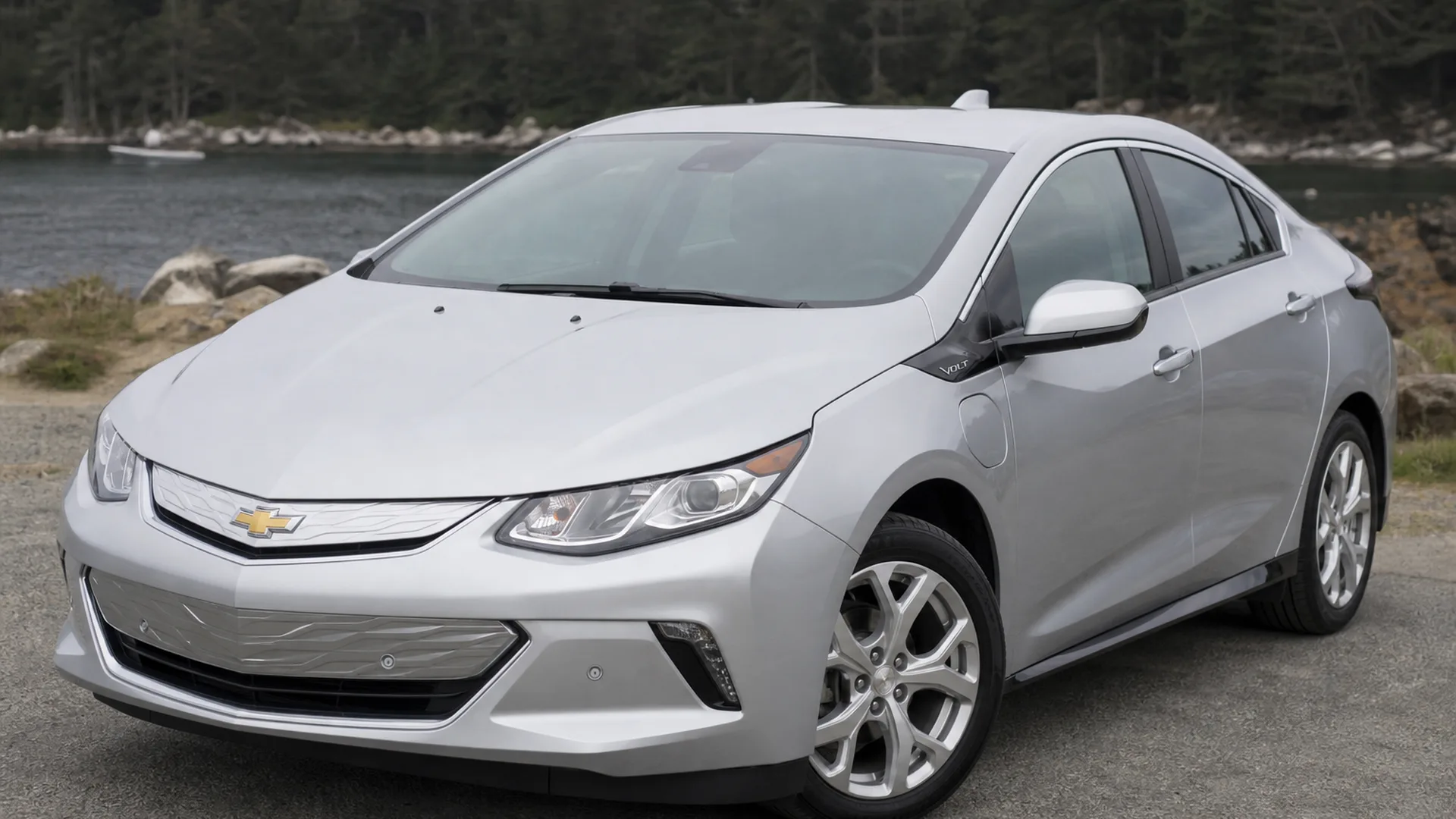
The Chevy Volt promised something ambitious: all-electric driving for your daily commute, plus a gas engine for road trips—no range anxiety, no compromises. For many drivers, it delivered exactly that. But here’s what the brochure didn’t say: some model years carried serious electrical gremlins, brake failures, and battery control issues that turned into expensive nightmares. If you’re shopping for a used Chevy Volt, knowing which years to skip—and which ones actually work—can save you thousands in repairs and a lot of stress. Let’s break down the problem years, the safe picks, and what to watch for before you hand over any money.
How We Built This Guide
We pulled complaint data straight from the NHTSA database and cross-referenced it with owner reports from Volt forums and automotive reliability trackers. We also looked at class-action lawsuits, technical service bulletins from GM, and repair cost patterns reported by mechanics who specialize in hybrids. Battery degradation trends came from long-term ownership logs, and we factored in recall histories and known software glitches by model year. This isn’t guesswork—it’s pattern recognition backed by real-world data from people who’ve actually owned and driven these cars.
Shopping for a used Chevrolet?
 Ask a Mechanic about your Chevrolet →
REREV may earn a commission if you sign up through this link. Learn more.
The Most Common Problems Chevy Volt Owners Face
1. Battery and Electric Drive Failures
The Chevy Volt’s battery system is complex, and when it fails, it fails hard. Early Gen1 models (2012–13) had coolant leaks in the battery pack that could disable the entire system. If coolant leaked and crystallized near the battery terminals, it created a fire risk—GM issued a fix, but not before plenty of owners got stranded. Then there’s the Battery Energy Control Module (BECM), which manages power flow between the battery and motor.
When this module dies, you lose all electric propulsion. Some 2017–18 owners faced sudden shutdowns requiring a $3,000+ BECM replacement. Even in healthy Volts, battery capacity fades over time, especially if the car sat in hot climates or went through a lot of charge cycles. After 100,000 miles, expect noticeable range loss—though with proper care, some Volts hit 200k without major battery work.
2. Electrical Gremlins and Charging Headaches
Chevy Volt electrical problems are the single most common complaint category. Symptoms range from annoying (dashboard warning lights that flash on and off) to serious (total failure to charge overnight). The 2013 model had a software bug that could stall the electric motor after you came to a stop, forcing you to restart the car. Other years saw faulty wiring that drained the 12-volt auxiliary battery, leaving you with a dead car even though the main battery was full. Charging issues pop up too—sometimes the car charges slowly, sometimes not at all. Tracking down these faults often requires dealer-level diagnostics, and repair bills can climb fast if the problem involves the onboard charger or control modules.
3. Brake System Issues You Can’t Ignore
Brake problems on the Chevy Volt aren’t just inconvenient—they’re dangerous. Multiple owners have reported intermittent brake failures, where the pedal goes soft or doesn’t respond normally. Some 2012–13 models experienced brake fluid leaks that weakened stopping power. On Gen2 Volts (2016–19), there’s a persistent clicking noise from the brake booster that drives people crazy. The fix? Replacing the entire booster assembly, which can cost around $2,000 at the dealer. What makes this worse is that GM issued a software patch for the same clicking issue on the Chevy Bolt, but never applied it to the Volt. So you’re stuck paying for a hardware fix when a software update might have done the job.
4. Climate Control and Infotainment Quirks
HVAC issues are less common but still annoying when they happen. A handful of 2019 owners reported heaters that locked on high and wouldn’t turn off. Others complained about weak air conditioning or strange airflow patterns. More often, the problem is with the battery’s cooling system (separate from cabin climate), which ties back to those early coolant leaks.
On the tech side, Chevy Volt infotainment systems can be glitchy. Touchscreens freeze, range estimates get stuck showing the wrong number, and some Gen2 models throw a “Shift to Park” error that won’t let you turn the car off—even though it’s already in park. Most of these bugs are software-related and can be fixed with a firmware update, but not everyone gets that done before selling the car.
The Three Worst Chevy Volt Years You Should Skip
If you see a listing for a 2012, 2013, or 2017 Chevy Volt, keep scrolling. These three years dominate the complaint logs and represent the highest risk for expensive, recurring problems. The 2012 and 2013 models are Gen1 early builds, and the 2017 is the first year of Gen2—both periods when GM was still working out major flaws.
2012 was the Volt’s debut year, and it shows. Battery control modules failed regularly, causing sudden loss of power. Coolant leaks in the battery pack were a known issue, and GM had to roll out a service fix for every 2012–13 Volt sold. Even after the fix, owners reported warning lights, backup camera failures, and tire-pressure sensor glitches. The 2012 Chevy Volt has 35 complaints logged with NHTSA, one of the highest totals for any Volt year.
2013 carried over most of 2012’s problems and added a few new ones. The electric motor could stall after a short stop due to a software bug, and some cars had faulty engine controllers that forced the gas engine to run constantly—even on a full battery. That defeated the whole point of owning a plug-in hybrid. Brake fluid leaks were also common. If you’re looking at a 2013, assume it needs work.
2017 was supposed to be a fresh start—the Gen2 redesign brought longer electric range and updated styling. But first-year production quality was rough. The new BECM proved unreliable, leading to a class-action lawsuit over sudden loss of electric drive. Owners also reported burning smells near the battery, dashboard faults, and that expensive brake booster clicking noise. With 669 NHTSA complaints (the most of any Volt year), the 2017 is the worst of Gen2.
Year-by-Year Breakdown: What to Expect
2011 was the true first production year, with limited volume and some early quirks. Complaints are low (only 3 logged), but the car’s 25-mile electric range feels dated now. If you find a well-maintained 2011, it can work—just know the battery is aging.
2012 is a hard pass. Battery modules fail, coolant leaks, brake issues. If someone tries to sell you a 2012 cheap, there’s a reason.
2013 is even worse in some ways. Stalling glitches, engine control bugs, and continued brake problems make it nearly as unreliable as 2012.
2014 started to improve. GM fixed many Gen1 flaws, and complaint counts dropped. Still, batteries are getting old, so check for capacity loss and service records.
2015 was the last Gen1 year, and it’s stable. Only 6 complaints logged. If you want a Gen1 Volt, 2015 is your safest bet—but expect an older battery with less range than it had new.
2016 launched Gen2 with better range (53 miles electric) and a redesigned drivetrain. Early reports were solid, and NHTSA complaints stayed low. This is the first Gen2 year worth considering.
2017 had the redesign issues covered above. Avoid unless you can verify the BECM has been replaced and all recalls are done.
2018 and 2019 are the sweet spot. Software matured, defect rates dropped, and both years show very few complaints. The 2019 Chevy Volt (final production year) logged only 3 NHTSA reports. If you’re buying used, aim for 2018 or 2019.
The Best Chevy Volt Years to Buy
Your safest picks are 2018, 2019, and 2016. The 2018 and 2019 models represent the most refined version of the Volt—long electric range, stable electronics, and minimal reported issues. A 2019 with under 60,000 miles is about as close to a sure thing as you’ll get in the used Chevy Volt market. The 2016 is also solid if you want to save a bit of money; it’s the first Gen2 year, but without the teething problems of 2017.
If you’re open to Gen1, the 2015 is your only real option. It has the fewest complaints of the early years, and by 2015 GM had ironed out most of the glitches. Just factor in that the battery is older and may have lost some capacity.
What to Check Before You Buy
Even a “good” Volt year can have problems if the previous owner neglected it. Get the service history and confirm that any recalls (especially the coolant fix for 2012–13 or BECM updates for 2017–18) were completed. Test the car in both electric and gas modes. Make sure it charges fully overnight and that the brake pedal feels firm. Ask for battery health data if possible—some dealers and independent mechanics can pull this from the car’s computer. If the Chevy Volt has more than 100,000 miles, budget for eventual battery work. And if you see any warning lights on the dash, walk away unless you’re ready to pay for diagnostics.
Better Alternatives If You’re Not Sure About the Volt
Maybe the Chevy Volt’s problem history has you spooked. Fair enough—there are other plug-in hybrids and EVs that offer similar benefits with fewer red flags.
The Toyota Prius Prime is the obvious rival. It’s smaller and less fun to drive, but it’s also dead reliable. The 2017+ Prius Prime gives you around 25 miles of electric range, excellent fuel economy, and Toyota’s reputation for quality. You’ll find plenty of used Primes with clean records.
The Honda Clarity Plug-In (2017–2020) is a midsize sedan that competes directly with the Chevy Volt. It offers about 48 miles of electric range and a comfortable interior. Honda’s reliability track record is strong, and the Clarity PHEV has no major widespread issues.
If you’re comfortable going all-electric, the Chevy Bolt EV is worth a look. It’s built by GM and shares some DNA with the Volt, but it skips the gas engine entirely. Range is around 238 miles on later models, and it doesn’t carry the Volt’s battery recall baggage. Just make sure any Bolt you buy has had its battery recall (fire risk on 2017–19 models) addressed.
The Nissan Leaf (2018+) is another pure EV option. The “Plus” versions offer 200+ miles of range, and the Leaf has a straightforward, proven design. Maintenance costs are low since there’s no engine or transmission.
For other plug-in hybrids, consider the Kia Niro PHEV or Hyundai Ioniq Plug-In. Both give you around 25–30 miles of electric range, solid build quality, and Kia/Hyundai’s long warranties (which transfer to used buyers in many cases). The Ford Fusion Energi and Ford C-Max Energi are older but mechanically simple, with plenty of parts available. And if you want something quirky, the BMW i3 Range Extender offers about 72 miles of electric range plus a tiny gas generator for backup—it’s expensive but unique.
Final Takeaway
The Chevy Volt is a smart car when you get the right year. Stick with 2018, 2019, or 2016, and you’ll enjoy electric commuting with gas-powered flexibility and minimal drama. But if someone tries to sell you a 2012, 2013, or 2017, keep walking. Those years come with too many documented problems—battery failures, brake issues, electrical bugs—that can cost thousands to fix. Do your homework, check the service history, and test everything before you buy. A good Volt can easily run 200,000 miles. A bad one will leave you stranded and frustrated. Now you know which is which.