
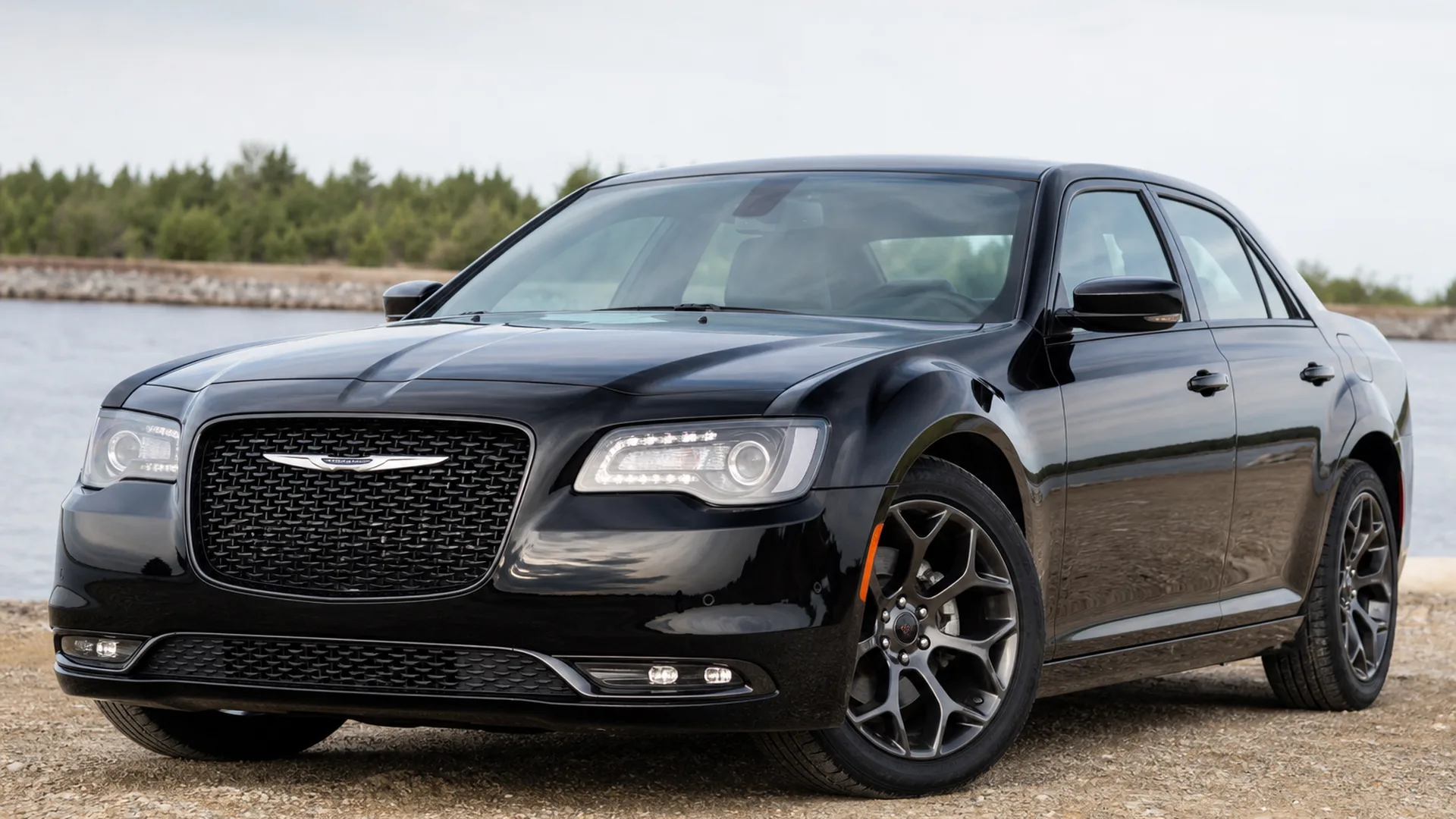
If you’re shopping for a used Chrysler 300, knowing the Chrysler 300 years to avoid can help you steer clear of costly reliability issues. The Chrysler 300 has earned a reputation for its bold styling, powerful V6 and V8 options, and smooth, highway-ready comfort — making it a favorite among those who want a luxury feel without the premium price tag.
Here’s the quick answer: The worst Chrysler 300 years to avoid are 2006, 2012, and 2013, known for engine failures, electrical fires, and major alternator defects. The best Chrysler 300 years to buy are 2016–2022, especially 2018–2020, which feature refined electronics, reliable engines, and fewer recalls.
How We Researched This Guide
We analyzed NHTSA complaint databases, recall records, and owner forums to identify pattern failures across both generations of the 300 (2005-2010 and 2011-2023). Our research focused on complaint frequency, recall density by model year, and repair cost data from independent mechanics and dealership service departments.
Key data sources included official recall campaigns, Technical Service Bulletins, and long-term reliability surveys. We cross-referenced owner experiences with manufacturer recalls to identify which problems were actually fixed versus those that owners dealt with out-of-pocket.
The result? A clear picture of which years experienced clustered problems versus isolated incidents, and which model years benefited from design improvements and recall remedies.
Most Common Chrysler 300 Problems You Should Know
Before diving into specific issues, it’s important to understand that the Chrysler 300’s reliability has varied significantly between model years. Early versions (especially 2006 and 2012–2013) experienced a cluster of electrical, engine, and interior defects, while later models became far more refined.
The most frequently reported problem categories include electrical system failures, engine issues, safety and recall-related defects, and interior or infotainment malfunctions. Below is a detailed breakdown of each area and what owners should look out for
1. Electrical System Failures
Electrical problems have been among the most common and expensive to fix in the Chrysler 300.
Alternator Diode Failures (2011–2014):
The 160-amp alternator used in 3.6L V6 models was prone to defective diodes that could overheat and fail without warning. When this happens, the vehicle may suddenly lose power — shutting down headlights, engine, and all electrical systems mid-drive. In some cases, overheating caused smoke or engine-bay fires. Chrysler issued multiple recalls (P60 and T36) to address the defect, but many vehicles experienced issues before the recalls were completed.
TIPM (Totally Integrated Power Module) Failures:
This module acts as the vehicle’s central electrical hub. When it malfunctions, it can trigger random stalling, no-start conditions, or complete power loss. Some owners reported being stranded without warning. TIPM replacement typically costs $700–$1,200, and while widespread, Chrysler never issued a full recall, leaving many repairs out-of-pocket.
2. Engine Problems
Engine-related failures are another major concern, particularly in the Hemi V8 and early Pentastar V6 engines.
Hemi “Lifter Tick”:
The popular 5.7L Hemi V8 is known for developing a persistent ticking sound between 80,000–100,000 miles due to failing lifters. Left unaddressed, this can lead to camshaft wear or complete engine failure. Repairs often cost $2,000–$3,500. Buyers should listen closely during test drives for any rhythmic tapping noise, especially on cold starts.
Early Pentastar Cylinder Head Problems:
The first-generation 3.6L Pentastar V6 (2011–2013) suffered from faulty valve seats on cylinder #2, causing misfires and check-engine lights. Chrysler extended warranties on affected cylinder heads and updated the design by late 2013, but early versions remain a concern on the used market.
3. Safety and Recall-Related Issues
Several Chrysler 300 model years, particularly 2011–2013, were hit with safety recalls involving critical systems like brakes and airbags.
ABS/ESC Fuse Overheating (2011–2012):
An overheating fuse could disable the vehicle’s anti-lock braking and stability control systems without any dashboard warning. Chrysler recalled over 100,000 vehicles to relocate the fuse away from heat sources, but this issue remains one of the most serious safety concerns among early second-generation 300s.
Airbag Wiring and Deployment Problems:
Beyond the well-known Takata airbag recall, 2011–2012 Chrysler 300s had side airbag connectors that could detach and prevent deployment in a crash. Several recall campaigns addressed these defects, but vehicles without proper repair documentation should be avoided.
4. Interior and Infotainment Issues
While not always safety-critical, interior and infotainment problems have been frustratingly common, especially on mid-2010s models.
Door Panel Warping:
Excessive heat exposure causes vinyl door panels (2012–2016) to bubble or detach from their frames. Replacement can cost several hundred dollars per door, and Chrysler classified it as a cosmetic issue rather than a manufacturing defect.
Uconnect Touchscreen Delamination:
The 8.4-inch Uconnect system used in 2017–2019 models frequently develops “bubbles” or ghost touches where the touch layer separates. This leads to malfunctioning audio, navigation, and backup-camera functions. While software updates help, severe cases require full screen replacement.
The Absolute Worst Years to Avoid
2006 Chrysler 300 – The Disaster Year
Why It’s the Worst: More owner complaints than any other year, with catastrophic engine failures dominating the problems list. The 2.7L V6 was notorious for oil sludge that would seize the engine around 80,000 miles. Even the Hemi V8 had valve seat issues that caused expensive repairs.
What Goes Wrong: Engine replacement needs averaging $3,000-$6,000, cooling system failures, suspension wear, and various electrical gremlins. One owner complained of “loud clacking noise” from their Hemi that required a $200-$1500 engine rebuild.
Bottom Line: Skip this year entirely. Even low-mileage examples carry too much risk.
2012-2013 Chrysler 300 – Electrical Nightmare Years
Why They’re Terrible: Peak electrical failure rates with multiple serious recalls. These years had the highest complaint volumes of the second generation, dominated by alternator fires, total electrical shutdowns, and interior quality problems.
2012 Specific Issues: 48 complaints and 8 recalls tell the story. Alternator diode failures that could cause fires, ABS system fuse problems, side airbag wiring recalls, plus TIPM failures that left owners stranded.
2013 Problems: Highest complaint count of any second-generation year with 52 reported issues. Alternator problems continued, door panels started warping, and Uconnect screens began their delamination problems.
Repair Reality: Even with recalls completed, these years often need expensive TIPM replacements and interior repairs that Chrysler doesn’t cover.
Other Years to Approach Carefully
2005, 2007-2008, 2010: First-generation years with lingering engine and electrical problems. Only consider if maintenance records are perfect and price reflects the risks.
2014: Improved over 2012-2013 but still reported transmission roughness, infotainment glitches, and interior trim defects. Better than earlier years but not reliable enough to recommend.
The Most Reliable Chrysler 300 Years
2018-2022: The Sweet Spot Years
Why They’re Great: Complaint volumes dropped dramatically by 2018. Most reported issues are minor electronic glitches rather than mechanical failures. The 2021 model even scored 92/100 in J.D. Power reliability ratings.
What Problems Remain: Mostly cosmetic issues like occasional door panel adhesion problems or infotainment hiccups that software updates can fix. No widespread mechanical failures or safety recalls.
Best Pick: 2018 stands out as particularly reliable – all major systems were refined by this point, but you avoid the higher prices of 2020+ models.
2016-2017: Solid Value Choices
The Improvement Story: The 2015 refresh addressed most electrical gremlins, and by 2016 the results showed. Only 31 complaints reported for 2016 with just 3 recalls – excellent for a car that age.
Minor Issues: Occasional 8-speed transmission shudder (usually fixed with software updates), rare power steering assist loss, and some door panel problems on early examples.
Why They Work: Proven powertrains, stable electronics, and most early recalls already completed by previous owners.
Quick Reference: Best vs Worst Years
| Avoid These Years | Main Problems | Better Choices | Why They’re Safer |
|---|---|---|---|
| 2006 | Engine failures, highest complaints | 2018-2022 | Mature design, very low problem rates |
| 2012-2013 | Electrical fires, TIPM failures, 9+ recalls | 2016-2017 | Post-refresh reliability improvements |
| 2014 | Transmission issues, infotainment problems | 2019-2020 | Minimal complaints, refined electronics |
Smart Shopping Tips for Any Chrysler 300
For Best Years (2016-2022):
- Verify all recalls completed (check VIN on NHTSA website)
- Test Uconnect system thoroughly – backup camera, audio, Bluetooth
- Listen for any engine ticking on Hemi V8 models
- Inspect door panels for bubbling or separation
For Risky Years (if you must):
- Demand proof of alternator recall completion on 2011-2014 models
- Get electrical system tested – charging rate, battery drain test
- Budget extra $1,000-2,000 for potential TIPM replacement
- Check that all airbag recalls were completed
Engine Choice: The Pentastar V6 is generally the safer long-term bet. If you want the Hemi V8, listen carefully for lifter tick and verify oil change history.
The Bottom Line
The Chrysler 300 can be a reliable luxury sedan if you pick the right years. Stick with 2016 and newer for the best ownership experience, with 2018-2022 being the standout choices. The early second-generation years (2011-2014) and the problematic first-generation cars (especially 2006) will likely cost you more in repairs than you’ll save on purchase price.
Your best bet? Find a well-maintained 2018-2020 model with completed recalls and service records. You’ll get the 300’s distinctive style and comfort without the electrical headaches and engine problems that plagued earlier years.
Remember – paying a bit more upfront for a reliable model year can save you thousands in alternator replacements, TIPM repairs, and door panel fixes down the road.