
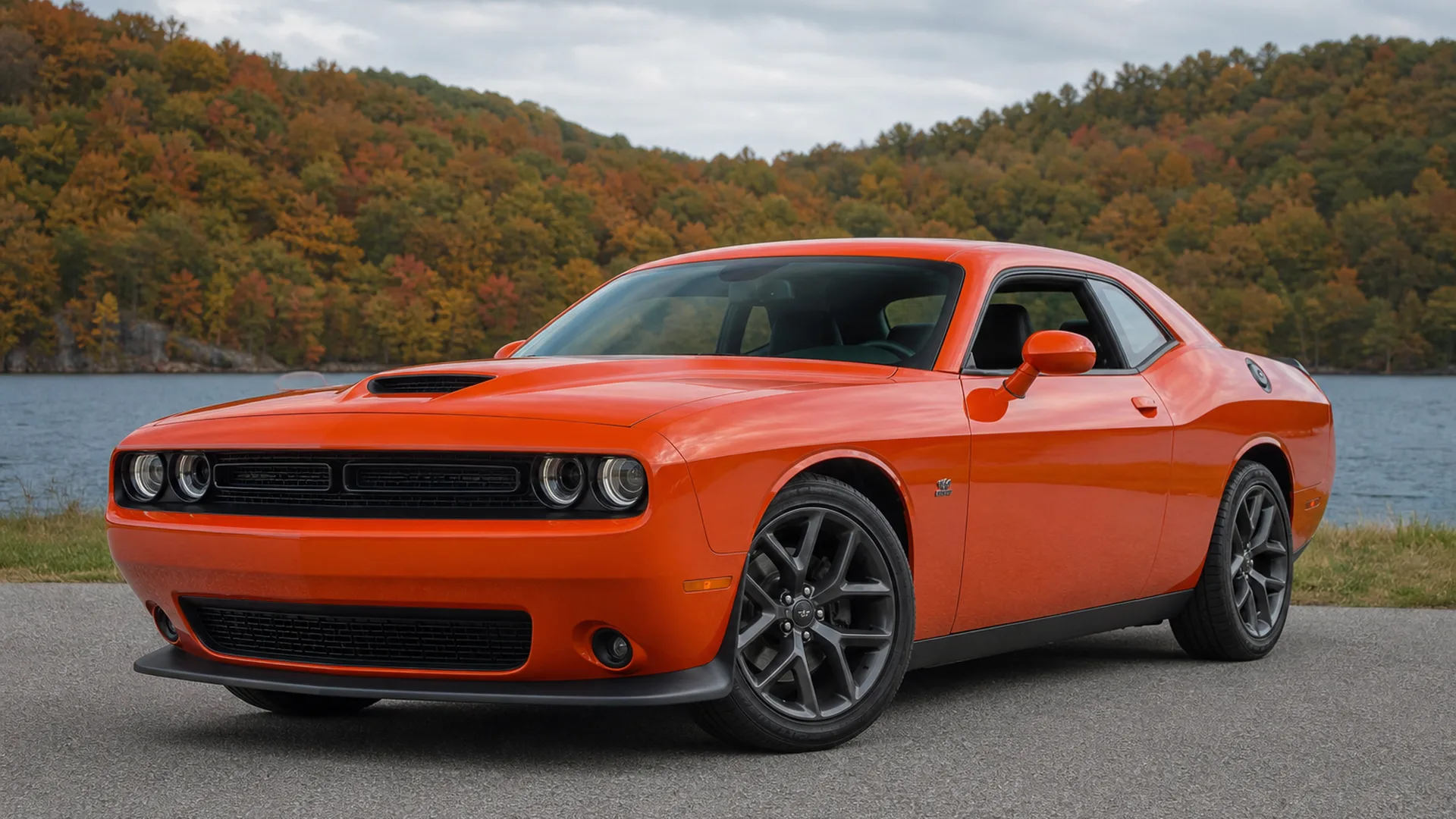
The Dodge Challenger roared back to life in 2008, bringing classic American muscle car swagger to a new generation. With its bold retro styling, thunderous HEMI V8 options, and enough horsepower to make your neighbors jealous, the modern Challenger quickly became an icon. But here’s what dealerships won’t tell you: not every model year delivers the reliability you’d expect from a $30,000+ investment.
Early Challengers (2009-2014) are notorious for electrical meltdowns, engine timing chain failures, and alternators that can literally catch fire. This guide breaks down exactly which years to skip, which ones to buy, and what alternatives might serve you better.
How we rated the best and worst Dodge Challenger years
Our team analyzed thousands of owner complaints from NHTSA databases, CarComplaints.com, and Challenger owner forums. We cross-referenced this information with official recall data, J.D. Power reliability scores, and RepairPal maintenance cost reports. Special attention was paid to catastrophic failures like TIPM (Totally Integrated Power Module) breakdowns and the infamous alternator fire recalls that plagued 2010-2013 models.
We also interviewed certified mechanics who specialize in Chrysler products and reviewed warranty claim patterns from multiple dealerships to identify the most problematic years and components.
Most Common Dodge Challenger Problems
1. Electrical Nightmares: TIPM and Alternator Failures
If you’ve ever wondered why some Challenger owners look perpetually stressed, it’s probably because they own a 2009-2014 model with electrical gremlins. The Totally Integrated Power Module (TIPM) acts like the car’s electrical brain, but when it fails, chaos ensues. Your engine might refuse to start one morning, then randomly stall at a red light that afternoon. Some owners report their horns honking by themselves at 3 AM or windows rolling down during rainstorms.
The alternator problems are even scarier. Between 2010-2013, countless owners experienced their alternators dying while driving – sometimes with burning smells or actual smoke. Dodge issued multiple recalls because faulty alternators could short out and start fires. Picture your muscle car becoming a literal fire hazard on the highway.
2. Engine Issues That’ll Break Your Heart (and Wallet)
The 5.7L HEMI in early Challengers had a serious timing chain defect. Around 60,000-70,000 miles, the chain could snap without warning, instantly killing your engine’s power. Several 2010 owners reported their Challengers dying on busy highways due to this exact failure – a terrifying and expensive repair.
Then there’s the infamous “HEMI tick” – a loud tapping noise from the valvetrain that sounds like an angry sewing machine. While it doesn’t always affect performance, it’s embarrassing and persistent. Some 2014 owners went through multiple lifter replacements and even complete engine rebuilds trying to fix it.
3. Transmission Troubles
Early automatic transmissions could develop harsh, clunky shifts around 35,000 miles. Owners describe a metallic “thump” when the car downshifts, and in severe cases, the transmission might refuse to engage gears entirely. Dodge addressed this with software updates, but the fix wasn’t always permanent.
The Worst Dodge Challenger Years to Avoid Completely
2012: The Disaster Year
CarComplaints officially crowned 2012 as the worst Challenger year, and for good reason. With nearly 400 owner complaints and six recalls, these cars are reliability nightmares. The alternator failures reached epidemic proportions – owners report their cars dying in traffic, complete electrical system meltdowns, and in some cases, actual fires.
One particularly bizarre problem: power windows would cycle up and down by themselves, even when parked, draining the battery overnight. Fixing one window often just moved the problem to another door.
2010: Engine Destruction Lottery
The 2010 model holds the record for most owner complaints (442) and features the notorious timing chain defect. When that chain snaps, you’re looking at potential engine replacement costs. Add in the electrical problems and ignition keys that get stuck (preventing the car from shutting off properly), and 2010 becomes a year to avoid at all costs.
2011-2013: The Electrical Horror Show
These years continued the alternator fire risk and introduced new problems like “smart windows” that wouldn’t stop moving. The 2013 models added TIPM failures to the mix, causing random stalling and dashboard Christmas lights. Some 2013s were subject to “Do Not Drive” warnings due to fire hazards from faulty starter wiring.
2009 and 2014: Problematic but Not Catastrophic
The 2009 launch year had typical first-year issues plus the Takata airbag recall. The 2014 model improved significantly but still suffered from the HEMI tick and some lingering electrical quirks.
The Best Dodge Challenger Years to Buy
2008: The Surprisingly Solid Launch
Counterintuitively, the very first modern Challenger (2008) is quite reliable. These limited-production SRT8 models avoided most early problems and featured the bulletproof 6.1L HEMI. With fewer electronic complications and solid build quality, a well-maintained 2008 can be an excellent choice.
2016-2018: The Sweet Spot
By 2016, Dodge had resolved the major electrical and engine issues. These years benefit from the refined 8-speed automatic transmission and improved build quality. The 2017 model year, in particular, shows up on very few complaint lists and earned strong reliability ratings from multiple sources.
2019-2023: Modern Reliability
The final Challenger years represent the pinnacle of the model’s development. J.D. Power gave the 2022 Challenger an impressive 88/100 reliability score. These late models combine all the performance and style you want with the dependability you need.
Better Alternatives to Consider
Ford Mustang (2011-2014, 2018-2023)
The Mustang offers similar performance with comparable reliability scores. The 2011+ models feature Ford’s excellent 5.0L Coyote V8, which has proven more durable than early HEMI engines. The Mustang handles better than the Challenger but offers less interior space.
Chevrolet Camaro (2013-2015, 2016-2023)
GM’s entry avoided many of the electrical problems that plagued early Challengers. The 2016+ sixth-generation Camaro is particularly reliable, though visibility and cabin space are compromised compared to the Challenger.
Dodge Charger (2015-2023)
If you need four doors but want HEMI power, the Charger shares the Challenger’s drivetrain while reportedly offering better reliability in recent years. The 2015+ models largely avoided their two-door sibling’s early problems.
Japanese Sports Cars
For maximum reliability, consider a Toyota GR86/Subaru BRZ or the new Toyota Supra. While they lack V8 power, they offer engaging driving experiences with Toyota’s legendary dependability.
Final Recommendations
Skip the 2009-2014 Challengers entirely if reliability matters to you. The 2010-2012 models, in particular, represent some of the worst reliability in the muscle car segment. If you must have an early Challenger, ensure all recalls have been completed and budget for potential electrical work.
For used buyers, focus on 2016 and newer models. These cars retain the Challenger’s character while offering modern reliability. The final 2019-2023 models represent the best combination of power, features, and dependability, though they command premium prices.
Before buying any used Challenger, run the VIN through NHTSA’s recall database and have a qualified mechanic inspect the electrical system, especially the TIPM and charging components. A pre-purchase inspection could save you thousands in future repairs.
With this knowledge, you can confidently choose a Challenger that delivers tire-shredding thrills without the constant fear of roadside breakdowns.