
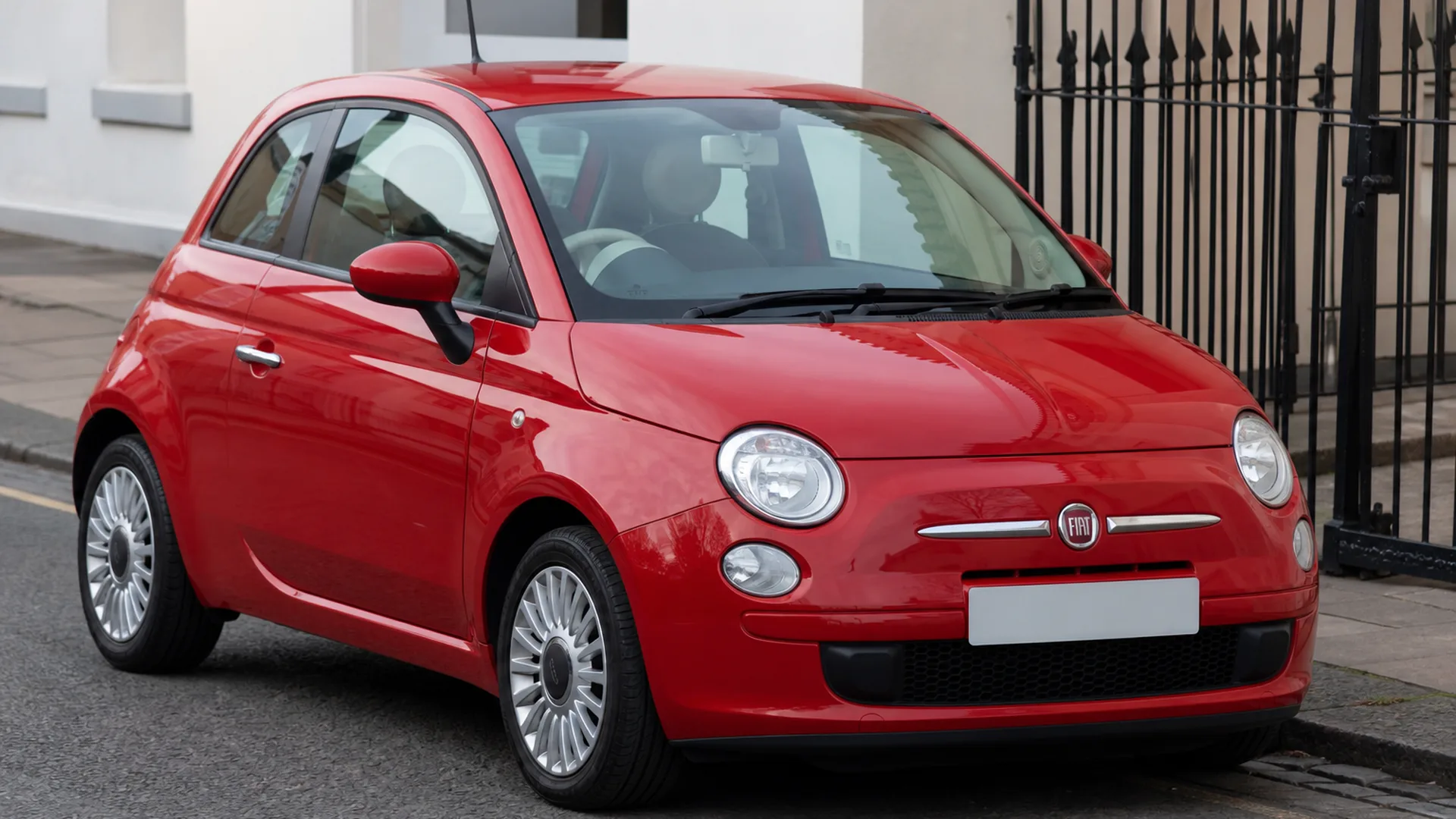
The Fiat 500 is one of those cars that makes people smile. It’s tiny, quirky, and packed with Italian charm, like driving a cappuccino through a cobblestone street. When Fiat relaunched the 500 globally in 2007 (and brought it to the U.S. in 2011), it quickly became a hit with city dwellers who wanted something fun, affordable, and easy to park. But here’s the thing: behind that cute exterior, certain Fiat 500 model years have serious reliability problems. We’re talking transmission breakdowns, electrical meltdowns, and safety issues that can turn your charming city car into a money pit. This guide breaks down the Fiat 500 years to avoid, the most common problems owners face, and which years are actually worth buying.
How We Researched This Guide
To figure out which Fiat 500 model years you should avoid, we pulled data from multiple trusted sources. The NHTSA complaint database gave us hard numbers on owner-reported failures and recalls. Consumer Reports and IIHS crash-test ratings showed us which years had safety red flags. CarComplaints helped us track complaint trends year-by-year, while RepairPal and Edmunds gave us long-term ownership feedback. We also cross-referenced independent mechanic reports and dug through Fiat owner forums (both U.S. and European) to catch patterns that might not show up in official data. The result? A clear picture of which years had the most failures, the worst safety scores, and the biggest recall headaches.
Most Common Fiat 500 Problems
Let’s talk about what actually goes wrong with these cars. If you’re shopping for a used Fiat 500, you need to know the problem areas before you hand over any cash.
1. Engine and cooling troubles come up a lot. Owners report burning through oil faster than expected, and overheating is a recurring theme—usually because the thermostat or radiator decides to quit. Misfires show up too, often traced back to bad spark plugs or ignition coils. If you’re not checking your oil and coolant regularly, you could be looking at serious engine damage down the road.
But the real nightmare? Transmission and clutch failures. This is the Fiat 500’s Achilles’ heel. Manual-transmission models wear out clutches way too early, and the pressure plate can crack—Fiat even issued a recall for 2012–2016 manuals because the clutch diaphragm spring was fracturing. Automatics are just as bad. The Dualogic automated manual gearbox shifts like it’s angry, refuses to engage gears, or fails completely. One major recall targeted 2012–2013 automatics because the shifter cable bushing could pop off, leaving you unable to shift—or worse, the car could roll away even when you thought it was in Park.
2. Electrical gremlins are all over this car. The alternator is a weak point, and when it dies, your battery drains fast and you’re stuck. Dashboard warning lights flicker on randomly—especially the ESC/Stability Control light, which on 2012 models was often just a blown fuse. Some owners dealt with a starter motor that worked… sometimes. Water leaks from the door or sunroof seals can soak the wiring harness, causing all sorts of bizarre electrical behavior.
3. Steering and suspension wear out faster than you’d expect on a small car. Clunking noises, premature ball joint failures, alignment issues—these pop up frequently on early models. A 2023 recall addressed a front control arm ball joint that could literally detach, which tells you everything you need to know about how serious this can get. Some 2012–2013 owners also reported losing power steering mid-drive.
4. Brakes are mostly fine, but there was a recall for 2015–2016 models because the rear brake shoe linings weren’t up to spec. Pads and rotors tend to wear quickly (probably because the car is so light and gets used in stop-and-go traffic). The Tire Pressure Monitoring System also has issues—there’s a recall for 2014–2019 cars because the TPMS warning light might not come on when it should.
5. Air conditioning failures are common enough to mention. The AC just stops blowing cold, or the compressor gives up entirely. The 2015 model year had a bunch of AC and heater complaints, often linked to leaking refrigerant lines or electrical bugs in the climate control module.
6. And then there are the interior annoyances. Broken door handles are so common that it’s practically a meme among Fiat 500 owners—the 2012 model’s most-reported problem was door handles snapping off. Seat levers break, trim pieces rattle loose, and the early Blue&Me infotainment system (the Bluetooth setup) is buggy and frustrating. These aren’t deal-breakers, but they chip away at your patience over time.
Bottom line: the Fiat 500 is known for electrical and transmission trouble above everything else. If you own one, stay on top of maintenance—especially the cooling system, clutch, and alternator.
Fiat 500 Years to Avoid
Not all Fiat 500 model years are created equal. Some are downright disasters. Here’s which ones you should avoid completely.
2012 – The Worst Year, Hands Down
The 2012 Fiat 500 was the first U.S. model, and it’s a reliability nightmare. Over 560 owner complaints were logged, earning it a “Beware of the Clunker” badge from consumer watchdog sites. The NHTSA got 370+ complaints, most about the powertrain. Transmissions failed catastrophically—grinding, refusing to shift, or the clutch pressure plate breaking apart. Electrical systems went haywire. Suspension components wore out fast. One owner described the car getting stuck in Park over and over, requiring a manual override just to shift out of it (this was the faulty shifter cable issue that later got recalled). There were four recalls on the 2012 alone, covering everything from transmission parts to contaminated brake fluid. If someone offers you a 2012 Fiat 500, walk away. It’s not worth the headache.
2013 – Slightly Better, Still Bad
The 2013 model improved a bit, but not enough. About 229 complaints and four recalls were logged. Powertrain problems persisted—drivers reported shifter cables snapping mid-drive, leaving them stuck in gear. Reliability scores were abysmal: 1.0 out of 5.0 (basically rock bottom) and owner satisfaction was only 2.0 out of 5.0. The engine, transmission, brakes, and body hardware all had issues. The 2013 still carries most of the first-year bugs, so it’s another one to avoid.
2015 – Reliability and Safety Issues
The 2015 Fiat 500 is often called one of the worst years to buy used, and for good reason. Transmission complaints continued—automatics shifted roughly or refused to go into reverse. But the bigger problem? Safety. The 2015 scored “Poor” in the IIHS small overlap front crash test (driver’s side). In that test, the door frame tore open and the survival space collapsed—meaning in a front-corner impact, you’d be in serious danger. The NHTSA gave it 4 stars overall, but the rear passenger side impact scored just 2 stars. On top of that, the 2015 had AC failures, a stiff ride, cramped seats, and lots of cabin noise. Unless you’re getting an unbelievable deal (and you probably shouldn’t), skip the 2015.
2019 – A Disappointing Finale
The 2019 model was the last Fiat 500 sold in the U.S., and it wasn’t a strong exit. By then, the car was outdated compared to competitors. Reliability predictions were poor, and professional reviews criticized the cramped space, cheap interior, and lack of updates. Yes, complaint volumes were low (partly because so few 2019s were sold), but that doesn’t mean it’s a good buy. The 2019 carried Fiat’s reputation for poor long-term dependability, and unless you’re a die-hard 500 fan getting a steep discount, you’re better off with a newer, more reliable small car.
Global Context
If you’re shopping outside the U.S., be aware that early European models (2008–2010) had similar issues: clutch failures, problematic automated-manual gearboxes, and electrical bugs. The problem years line up across markets because Fiat used the same platforms and components worldwide. Whether you’re in North America or Europe, 2012–2013 and 2015 are the years to avoid. Steering clear of these will save you thousands in repairs.
Best Fiat 500 Years to Buy
Not all Fiat 500s are bad news. Some model years are genuinely solid, especially if you catch them with low mileage and a clean maintenance record.
2014 – The Early Sweet Spot
If you want an early-generation Fiat 500, the 2014 is your best bet. Fiat made updates that improved reliability compared to 2012–2013, and complaint volumes dropped—only about 164 complaints and 3 recalls, mostly for minor stuff. The powertrain was more dependable by this point. It still uses the 1.4L MultiAir engine (101 hp), so it’s not fast unless you step up to the Turbo or Abarth trim, but it’s affordable and more reliable than earlier years. Owner satisfaction went up for 2014 models, and if you want the classic 500 look without the constant repair bills, this is the year to target.
2018 – The Best Overall Year
If your budget allows, go for a 2018 Fiat 500. This is the most reliable year of the entire lineup. Complaints are almost nonexistent, and Fiat made a major mechanical upgrade: every 2018 model got a turbocharged 1.4L engine (around 135 hp) as standard, which used to be only in the Turbo and Abarth trims. That means better performance without the old base engine straining itself. A rearview camera also became standard in 2018, which is a nice safety addition. Build quality was at its peak—fewer rattles, more sorted-out infotainment, and generally a more polished car. There were no major recalls (just an aftermarket short-shifter part recall that doesn’t affect stock cars). If you’re shopping used, a 2018 Fiat 500 is the best version of this car Fiat ever made.
2016–2017 – Solid Honorable Mentions
The 2016 and 2017 models are also good choices. By this point, Fiat had fixed the notorious clutch and shift cable problems, and electrical system reliability improved. Complaint data shows a huge drop starting in 2014 and staying low through 2017—only a handful of complaints logged for 2016 and 2017, a tiny fraction of what 2012–2013 saw. These years still use the non-turbo engine (reliable but not powerful), and they’re generally solid city cars. If you find a low-mileage 2016 or 2017 in good shape, it’s a reasonable buy. That said, since pricing is similar, you might as well go for the 2018 to get the turbo engine and backup camera. Just make sure any open recalls (like the clutch spring or shifter cable) have been completed.
In short, the best used Fiat 500 years are 2014 and 2016–2018, with 2018 being the top pick. These years balance the 500’s iconic style with much better dependability.
Better Alternatives to Consider
Love the Fiat 500’s look and size but worried about reliability? Here are some alternative small cars that deliver similar benefits without the chronic headaches.
Honda Fit (2015–2019)
The Honda Fit is basically the anti-Fiat 500 in terms of reliability. It’s a subcompact hatchback that’s incredibly practical thanks to the magic fold-flat rear seat, which gives you way more cargo space than the 500. Fuel economy is excellent, and dependability is off the charts—a 2017 Fit scores 4.5 out of 5.0 for reliability, ranking at the top of its class. Owners routinely drive these past 150,000 miles with just routine maintenance. If you want a small car you can drive every day without worrying, the Fit is a top choice. Look for 2015 or newer models (modern safety features, more power). The only downside? It’s not as stylish or fun as the Fiat 500, but it’s roomier and way more reliable.
Toyota Yaris (2015–2018)
The Toyota Yaris is another ultra-reliable subcompact. It’s simpler and more “appliance-like” than the Fiat, but if reliability is your top priority, a late-model Yaris delivers. A 2017 Yaris scores 4.5 out of 5.0 for reliability—#1 out of 27 subcompact cars. It’s not exciting to drive, and the 1.5L engine (~106 hp) is modest, but like the Fit, a Yaris will outlast a Fiat 500 with just routine care. In 2019, Toyota replaced the Yaris hatch with a rebadged Mazda2 in the U.S., which is also good, but we’re focusing on the “true Yaris” from 2015–2018 here.
Mini Cooper (2015 and Newer)
If you’re drawn to the Fiat 500’s European style and fun-to-drive nature, the Mini Cooper is the natural step up. It’s essentially the 500’s closest rival—retro-styled, small, and premium. It’s more expensive than a used 500, but you get stronger engines and BMW-engineered handling. The latest generation (2014/2015 onward) improved reliability compared to older Minis. Reviewers call it a “much higher-quality” small car than the Fiat, though it does cost more to buy and maintain. Modern Minis (2015–2019) don’t have as many chronic faults as the Fiat 500. Safety ratings and refinement are also better. If your budget allows, a 2015–2019 Mini Cooper gives you the fun, small-car vibe without the constant mechanical headaches.
Volkswagen Beetle (2014–2019)
If you want retro charm like the Fiat but prefer something more practical, consider the VW Beetle. It’s slightly larger than the 500, with a usable back seat and a smoother ride. Reliability is above average for the class—about 4.0 out of 5.0. The Beetle shares its platform with the VW Golf, so you get proven engines (2.5L five-cylinder or 1.8T/2.0T four-cylinder) that can easily hit 150,000+ miles. Safety is stronger too—it’s a heavier car with good crash test ratings. We suggest 2014 or newer Beetles (earlier years had some transmission and electrical quirks, but VW sorted those out by 2014–2015). A 2014–2019 Beetle could be a fun, reliable ride with unique style, and fewer maintenance worries than a Fiat. Just note it was discontinued after 2019, so make sure any used purchase has a solid service history.
Other Options
The Ford Fiesta (2014–2019) is fun and efficient, but avoid the automatic transmission—it’s notoriously problematic. Stick with the manual if you go this route. The Chevrolet Spark and Mitsubishi Mirage are extremely cheap and fuel-efficient, but the Spark’s reliability is mediocre and the Mirage is very reliable but underpowered and basic. In Europe and Asia, cars like the Volkswagen Polo, Suzuki Swift, and Hyundai i10/i20 are known for reliability and are similar in size to the 500. And if you’re interested in going electric, the new Fiat 500e (2021+) is an all-electric reboot of the 500 that’s gotten positive reviews for range and build quality—a far cry from the troublesome early 2010s models.
Final Thoughts
The Fiat 500 is a charming little car, but certain years (2012, 2013, 2015, 2019) have too many issues to recommend. If your heart is set on a 500, aim for the more reliable 2014 or 2016–2018 models, and make sure all recall fixes have been done. But don’t overlook other options: a Honda Fit or Toyota Yaris will give you many more years of trouble-free driving, and a Mini Cooper or VW Beetle can deliver style and fun with fewer long-term headaches (just budget a bit more for purchase and maintenance). Choosing the right Fiat 500 year—or choosing a more reliable alternative—can save you thousands in repairs. Now you’ve got the information you need to make a smart decision.