
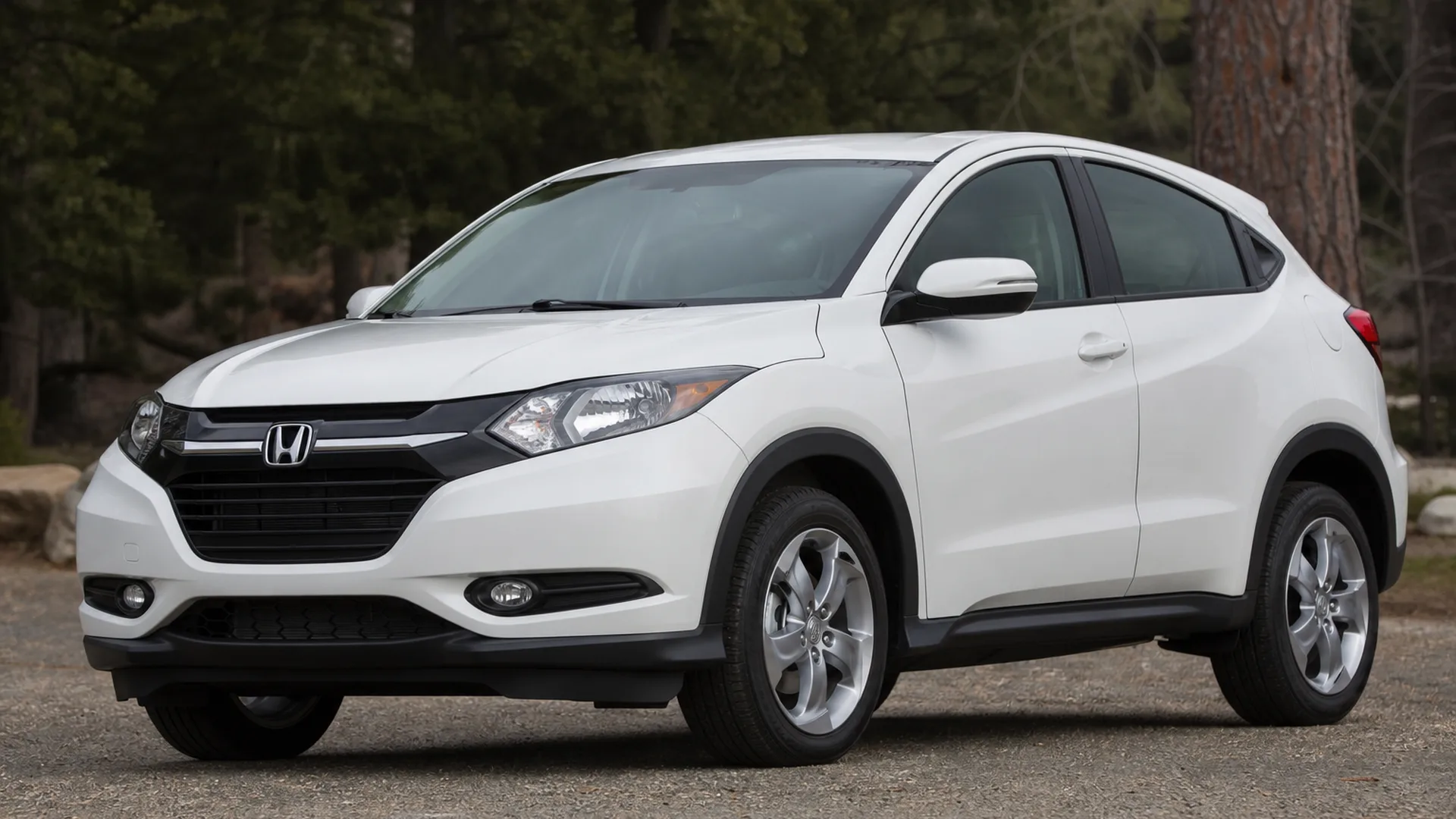
The Honda HR-V has earned a solid reputation as an affordable, practical subcompact SUV. Honda’s track record speaks volumes—these vehicles typically hold their value well and keep running long after competitors fade. Since its 2016 U.S. debut, the HR-V has attracted city drivers, first-time SUV buyers, and small families who want Honda’s engineering without the CR-V’s price tag.
Here’s the reality though: not every HR-V year lives up to Honda’s reliability reputation. Early models struggled with electrical bugs, CVT transmission concerns, uncomfortable interiors, and safety-related complaints that Honda later addressed through recalls and warranty extensions. The 2016 debut year, in particular, racked up enough issues to make it a clear “avoid” on most experts’ lists.
How We Researched This Guide
We didn’t just repeat what other sites say. Our team spent weeks digging through actual owner experiences and official safety data to find patterns in HR-V problems.
Here’s where we looked:
NHTSA’s complaint database – We compared how many complaints each model year received and tracked which issues popped up most often. For example, the 2016 HR-V logged 285 owner complaints, while the 2020 had fewer than 30. That’s not random – it tells you which years had serious problems.
Consumer Reports reliability scores and owner surveys – These track long-term durability based on thousands of real owners, not just automotive journalists who test a car for a week.
CarComplaints severity analysis – This site doesn’t just count complaints; it weighs them by severity. A car with 50 complaints about uncomfortable seats is different from one with 50 complaints about engines stalling on the highway.
Honda service bulletins and recall records – When Honda extends a warranty or issues a “service campaign” instead of a recall, that’s often a red flag that a problem affects many vehicles. We tracked those patterns.
HR-V owner forums and Reddit discussions – Real owners describe problems in detail before they become official recalls. We cross-checked these reports against technical service bulletins to separate one-off issues from widespread defects.
Automotive journalist long-term reviews – Edmunds, Kelley Blue Book, and others run HR-Vs for 40,000+ miles and document every repair. These reveal problems that don’t show up in short test drives.
We focused on complaint clustering (when many owners report the same issue), recall overlap (problems that affect multiple Honda models), and first-year manufacturing defects (why 2016 and 2023 both had issues). The goal: help you understand not just which years to avoid, but why they’re problematic and whether a specific used HR-V is safe to buy.
Most Common Honda HR-V Problems
1. Engine Troubles
Honda’s 4-cylinder engines—the 1.8L used from 2016-2022 and the 2.0L in newer models—generally earn high marks for durability. Many owners report the 1.8L easily reaching 200,000+ miles with basic maintenance. That said, some concerning issues have popped up.
Several 2018 HR-V owners reported sudden power loss or engine stalling while driving. Imagine cruising on the highway when your engine just… quits. That’s not just annoying—it’s dangerous. Other scattered reports mention engine knocking, overheating, or weird RPM jumps when accelerating.
Honda issued a large 2020 recall covering many 2017-2020 models because faulty fuel pumps could cause engine stalling. If you’re looking at an HR-V from those years, verify that recall was completed. The good news? Complete engine failures are rare. Keep up with oil changes, belt replacements, and routine checks, and you’ll likely avoid most engine headaches.
2. CVT Transmission Issues
The continuously variable transmission (CVT) has been a pain point for some early HR-V owners. Honda extended the CVT warranty on 2016-2020 models to 7 years/150,000 miles specifically because of premature belt deterioration concerns. That warranty extension tells you Honda recognized a problem.
Owners have described transmissions slipping, getting stuck, or making loud whining noises—sometimes at just 5,000-8,000 miles on 2016 models. In severe cases, the HR-V would suddenly lose drive power on the highway, essentially shifting into “neutral” due to CVT belt failure. Honda released software updates to reduce CVT stress and extended warranties, which helped later models.
If you’re shopping for a used HR-V, ask whether any CVT recalls or software updates were completed. Check maintenance records to confirm the transmission fluid was changed on schedule. Most HR-V owners never have CVT problems, but when they occur, repairs can easily exceed $5,000 out of warranty.
3. Electrical Gremlins
The 2016 HR-V suffered the most electrical complaints. Owners reported instrument clusters going blank or flickering, especially in cold weather. The push-button start system failed frequently—some drivers had to press the Start/Stop button repeatedly to get the engine going or to shut it off.
Honda extended the keyless start warranty on 2016-2018 HR-Vs to 9 years/125,000 miles because of a known ignition switch defect. Other electrical issues include key fobs not being recognized (preventing the car from starting) and electronic door locks randomly failing.
Over 114,000 HR-Vs from 2019-2022 were recalled because a power-circuit problem could prevent the backup camera from displaying when you start the car. Luckily, that fix is just a software update. Most electrical problems on the HR-V are frustrating rather than catastrophic. Still, check that all recall repairs were completed before buying—you don’t want to inherit someone else’s electrical headaches.
4. Brake and Suspension Concerns
The HR-V’s braking and suspension systems are generally reliable, with a few notable exceptions. Some 2018 owners complained about a strange brake pedal vibration when going over bumps. In a few cases, the brake pedal wouldn’t immediately stop the car and produced loud grinding noises. These weren’t widespread, but any brake issue deserves attention.
One major recall to know about: Honda recalled 1.7 million vehicles (including 2023-2025 HR-Vs) for “sticky steering.” A faulty steering rack gear can swell and cause increased friction, making the wheel harder to turn. Honda’s fix involves replacing a steering gearbox part and adding grease. If you’re considering a 2023 or newer HR-V, confirm this steering recall work was done.
5. Air Conditioning Problems
Climate control issues haven’t plagued the HR-V like they have some CR-V model years. Still, a number of owners have dealt with typical AC problems: weak or warm air from refrigerant leaks, and occasional compressor failures.
A few 2016 HR-V owners reported needing condenser or compressor replacements after leaks developed. These seem to be isolated cases rather than a design flaw. Often the culprits are stone damage to the condenser or normal wear on higher-mileage vehicles. If you’re buying a used HR-V in a warm climate, definitely test the AC at full blast during your inspection.
6. Technology and Interior Quality
Early HR-V models lagged behind competitors in tech features. The 2016-2017 infotainment system was slow, had an outdated interface, and lacked Apple CarPlay or Android Auto—features many rivals already offered. Honda improved this with the 2019 facelift, adding a more user-friendly touchscreen with physical volume knobs and smartphone integration.
The single most complained-about issue on 2016 HR-Vs? Uncomfortable seats. Many owners reported the seat design caused back, hip, and even jaw pain on long drives. Honda never officially recalled this, so some owners resorted to aftermarket cushions or completely swapping out the seats.
Another odd 2016 problem: poor paint quality. Multiple owners noticed exterior paint peeling, bubbling, or developing rust spots early in the vehicle’s life. While dealers sometimes acknowledged the defect, Honda didn’t issue a recall or offer free fixes, leaving owners to pay for repaints out of pocket.
The 2023 HR-V brought a serious new problem: rear window glass shattering. Hundreds of 2023 owners complained that the back windshield exploded or cracked spontaneously in cold temperatures. Consumer Reports traced this to the rear defroster—an assembly defect allowed window adhesive to contact the defroster grid, weakening the glass. Using the defroster in freezing weather could cause the glass to shatter.
Honda initiated a service campaign to replace affected rear windows but stopped short of a formal recall. If you’re considering a 2023 HR-V, make absolutely sure this rear-glass issue has been addressed.
Worst Honda HR-V Years to Avoid
2016 Honda HR-V: The Year to Skip
The 2016 is hands-down the most problematic HR-V year. As the debut model year in the U.S., it suffered from classic first-year production issues. CarComplaints.com labels the 2016 HR-V the “worst model year” based on the sheer volume of complaints (285 reports) and their severity.
This year experienced the full range of problems we discussed: electrical issues, transmission troubles, terrible paint quality, and painfully uncomfortable seats. The 2016 had two NHTSA recalls, plus many “fixes” were handled through technical service bulletins and warranty extensions rather than official recalls.
If you’re shopping for a used HR-V, the 2016 should be at the bottom of your list unless you find one with impeccable maintenance records at a significantly discounted price—and even then, think twice.
2017 Honda HR-V: Still Risky
The second model year improved somewhat but still inherited many 2016 weaknesses. Consumer complaints dropped compared to 2016, but build quality issues persisted. For example, the window gasket problem where rubber seals around doors could come loose and flap in the wind while driving.
Some 2017 owners reported minor transmission hiccups and electronic glitches. An odd complaint that year: rodent damage. The HR-V uses soy-based wiring insulation (common in modern cars), which can attract rodents that chew through wires. While not unique to Honda, several 2017 HR-V owners traced electrical problems back to chewed wiring harnesses.
The 2017 didn’t introduce new major issues—it mostly represents lingering 2016 complaints. Given the choice, later years offer better reliability and features.
2018 Honda HR-V: Proceed with Caution
By 2018, Honda had worked out many early problems. Many owners rate the 2018 as fairly reliable. We include it here with a caveat—2018 is generally solid, but it did see a spike in brake complaints.
Drivers noted that hitting bumps could cause violent brake pedal juddering, and occasionally brakes felt like they weren’t stopping the car immediately. A few scary reports mentioned sudden engine power loss on the highway. These incidents weren’t widespread enough to trigger recalls, and many 2018 HR-V owners have trouble-free experiences.
If you’re test-driving a 2018, pay close attention to brake feel and engine responsiveness. Honda issued software updates and a service bulletin for certain 2018 brake/engine concerns, so verify those were addressed.
2019 Honda HR-V: Watch for Gauge Issues
The 2019 model brought a mid-cycle refresh with updated styling and features, but also some new problems. CarComplaints logged 81 complaints and four recalls for the 2019 HR-V.
The most prominent issue: fuel gauge and instrument panel failures. Multiple owners reported the digital fuel gauge and odometer display randomly going blank while driving, or showing empty on a full tank. Sometimes restarting the car would fix it; other times pressing the trip reset button would revive the display. This appears to be an electrical or software bug specific to 2019 models.
The 2019 was also hit by several recalls, including the fuel pump recall and later the backup camera recall. Many owners love their 2019 HR-Vs, but given that 2020 or 2021 models often cost about the same used and have virtually no complaints, it makes sense to be cautious with a 2019 unless all updates and recalls were completed.
What About Newer Models (2022-2023)?
The second-generation HR-V launched for 2023 and has been generally well-received. It did experience the rear window shattering issue and the steering recall, but Honda is addressing both. Once those fixes are performed, the 2023+ models should deliver Honda’s typical reliability.
We wouldn’t label 2023 a “year to avoid” outright—just be aware of those required fixes. The real avoidance list remains 2016 through 2019, with 2016 being the absolute worst.
Best Honda HR-V Years to Buy
2020, 2021, and 2022: The Sweet Spot
These final three years of the first-generation HR-V are widely considered the most reliable. By 2020, Honda had resolved the early production issues—these vehicles have very few complaints on record.
Automotive analysts often recommend 2020-2022 models because they combine proven reliability with affordable pricing (since they’re a few years old). These HR-Vs include the updated infotainment system with volume knobs and available Apple CarPlay/Android Auto, plus Honda’s CVT and component improvements.
According to CoPilot, “the newer the vehicle, the better” for HR-Vs—these late first-gen models have the fewest problems and lowest cost of ownership. Consumer Reports’ reliability data consistently rates the 2020 and 2021 HR-V above average. If you want a used HR-V that’s hassle-free, a 2020-2022 with solid maintenance history is your best bet.
2023 Honda HR-V: The New Generation
The 2023 model represents a complete redesign. It’s slightly larger, rides on the Civic platform, and features a new 2.0L engine with updated technology. Yes, the first year of any redesign typically brings some issues—we saw the rear glass defect and steering recall. Once those are fixed, the 2023 offers significant improvements.
Acceleration improved (158 hp versus 141 hp previously), interior materials and noise insulation upgraded, and all the latest safety features became available. If your budget allows a 2023, you’ll get a nearly new car with Honda’s latest design. Just verify the vehicle received the window reinforcement or replacement under Honda’s service campaign.
2019 Honda HR-V: Budget-Friendly Option
If 2020+ models stretch your budget, a 2019 HR-V can work well. This was the year Honda gave the HR-V a facelift and feature additions: refreshed styling, better noise insulation, and the updated infotainment system.
Most 2019 issues have software fixes or recalls available. As long as those were completed, a 2019 can serve you just as well as a 2020. Given that used 2019 and 2020 prices are often very close, you might opt for a 2020 if possible. But 2019 marks the turning point where the HR-V became a more mature product.
Better Alternatives to Consider
Toyota Corolla Cross (2022–Present)
The Corolla Cross debuted in 2022 as a direct HR-V competitor, offering Toyota’s legendary reliability and comfortable ride. It has a 2.0L engine (~169 hp) and available AWD, similar to the HR-V. What sets it apart? An optional hybrid version delivers better acceleration and fuel economy than Honda’s single-engine setup.
Early owner feedback for 2022-2023 models is overwhelmingly positive with minimal issues. If you want a small SUV that’s worry-free, a 2022 or newer Corolla Cross is tough to beat.
Mazda CX-30 (2020–Present)
The CX-30 is often called the enthusiast’s alternative—notably quicker and more fun to drive than the HR-V. Available from 2020 onward, it comes with a 2.5L engine (186 hp) or a turbo option on higher trims, providing significantly better acceleration.
It features a premium interior feel and responsive infotainment. Reliability has been good—Mazda has a solid track record, and aside from a few recalls (similar to Honda’s fuel pump issue due to the same supplier), complaints are minimal. We’d recommend 2020 or 2021 models, which have advanced safety tech standard and any initial recalls resolved.
The trade-off? Slightly less back seat and cargo space compared to the HR-V. But if you value driving dynamics and near-luxury ambiance in a small SUV, the CX-30 deserves serious consideration.
Subaru Crosstrek (2018–Present)
The Crosstrek offers something the HR-V doesn’t: standard all-wheel drive on every model, plus higher ground clearance for outdoorsy drivers. The second-generation Crosstrek (2018-2023) features a proven 2.0L engine (152 hp), and from 2021 onward an optional 2.5L engine (182 hp).
We recommend 2019 or 2020 models for the best balance of price and reliability (the 2018 first-year model had minor teething issues). Subarus are known for longevity, and the Crosstrek consistently scores high in owner satisfaction. If you live in snowy or rural areas, the Crosstrek’s AWD and rugged build make it a top alternative.
Hyundai Kona (2018–Present)
For those wanting fun and value, the Kona is worth a look. It’s slightly smaller than the HR-V but offers engaging driving dynamics, especially with the 1.6L turbo engine (175 hp).
We suggest 2021 or 2022 models, which have the bugs worked out and nicer infotainment. The Kona stands out with features like a standard 8-inch touchscreen and available heads-up display. Hyundai often undercuts competitors on pricing—the Kona was among the first in its class to offer standard blind-spot monitoring.
One note: the dual-clutch transmission in turbo models can occasionally be jerky at low speeds. By 2020+ those issues were largely resolved, but if you want maximum simplicity, the base 2.0L engine is safer for long-term durability.
Kia Seltos (2021–Present)
The Seltos is mechanically related to the Kona but slightly larger and more traditionally styled. Launched in 2021, it offers a roomy interior and lots of features at a competitive price point.
The Seltos has either a 2.0L engine (146 hp CVT) or the same 1.6L turbo (175 hp DCT) as the Kona. Like the HR-V, AWD is available on all trims. The Seltos has a very spacious cargo area—it actually beats the HR-V’s cargo volume despite a shorter overall length.
Reliability has been mostly solid, though there was a recall on some 2021 models for an engine issue. Make sure any candidate has that addressed. The Seltos is a good pick if you like the Kona concept but want more space and a traditional SUV appearance.
Final Thoughts
The Honda HR-V makes a solid choice in the used subcompact SUV market, especially if you focus on the better model years. Stick with 2019 or newer for first-generation models, or consider the latest generation if your budget allows. You’ll get a mix of reliability, practicality, and efficiency that’s tough to beat.
Be aware of the troublesome early years (particularly 2016) and compare some alternatives. By checking sources like NHTSA for recalls and Consumer Reports for ratings, you can confidently choose an HR-V or similar crossover that will serve you reliably.
When you find a candidate, verify its maintenance history, confirm all recalls were completed, and take it for a thorough test drive. Pay attention to how the CVT shifts, how the brakes feel, and whether all electrical systems work properly. With the right preparation and knowledge, you’ll find a small SUV that meets your needs without draining your wallet on repairs.