
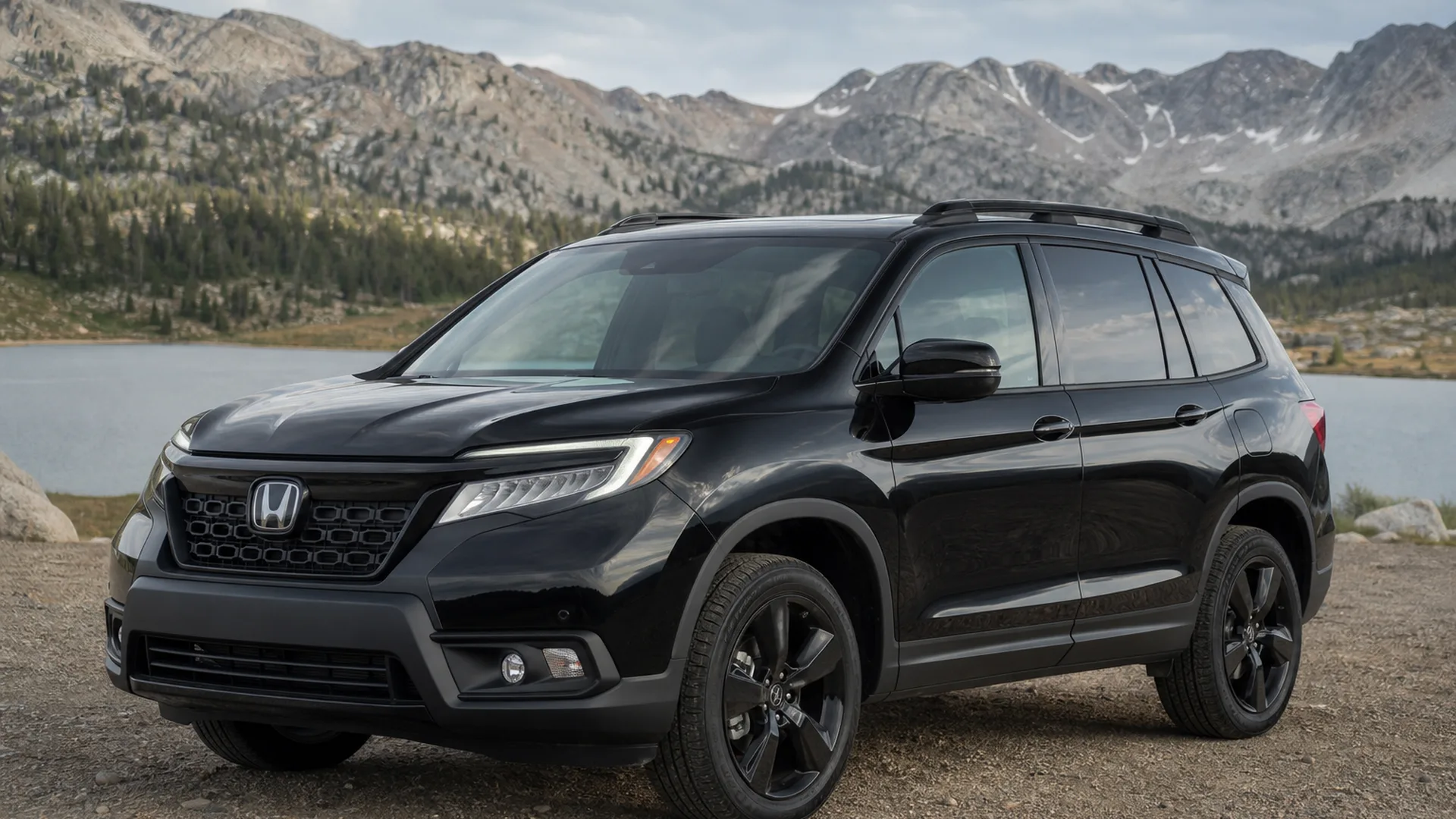
If you’re shopping for a rugged yet family-friendly midsize SUV, knowing which Honda Passport years to avoid can save you from costly repair bills down the road. The Passport has built a reputation for versatility, pairing Honda’s reliable V6 engine with all-wheel-drive capability and a practical two-row design. On paper, it’s the perfect balance of comfort and adventure.
However, not every model year delivers that trademark Honda dependability. Some Passports have been plagued by severe rust issues, brake and electrical failures, and major transmission breakdowns that can cost thousands to repair.
The worst Honda Passport years to avoid are 1998–2002 and 2019, both known for severe reliability issues like frame rust, transmission failures, and widespread electrical problems. The best Honda Passport years to buy are 2023–2024, which show major improvements in build quality, safety system performance, and owner satisfaction. If you’re shopping used, models from 2022 or newer offer the best mix of value and dependability, while older versions can lead to costly repairs and poor resale value.
How we rated the best and worst Honda Passport years
Our research team spent weeks digging through official safety databases and owner experiences to give you the complete picture. We analyzed NHTSA complaint records spanning both Passport generations, cross-referenced recall data with repair costs, and tracked depreciation patterns using CarEdge and KBB market data.
We also reviewed thousands of real owner complaints from CarComplaints, Consumer Reports ratings, and Honda service bulletins to identify the most expensive problems. Every reliability claim in this guide links back to official sources – no guesswork or marketing fluff.
The result? A year-by-year breakdown that shows you exactly which Passports to avoid and which ones deliver dependable performance for years to come.
Most Common Honda Passport Problems
Before diving into the specific problem areas, it’s important to understand the overall reliability pattern of the Honda Passport across both generations. While the Passport has always been marketed as a tough, adventure-ready SUV, not every version has lived up to that promise. Early first-generation models were plagued by severe corrosion and drivetrain failures, while the modern versions introduced frustrating electrical and safety system issues. Below is a closer look at the most common problems that have hurt the Passport’s long-term dependability and owner satisfaction.
1. Frame Rust and Structural Corrosion (1998–2002)
One of the most notorious issues in the Passport’s history comes from the late 1990s and early 2000s. These models, built during Honda’s partnership with Isuzu, suffered from extreme frame rust—especially in regions that use road salt during winter. Over time, corrosion would eat through the metal, causing entire trailing arms to detach from the frame.
Honda eventually recalled nearly 36,000 vehicles after many were deemed unsafe and beyond repair. Some owners discovered holes large enough to compromise structural integrity, forcing Honda to buy back affected vehicles. Unfortunately, this problem was so severe that many of these SUVs never returned to the road.
2. Transmission Failures (1996–2002)
The first-generation Passport also suffered from transmission breakdowns that could occur without warning. The 4-speed automatic transmission in 1998–1999 models was especially failure-prone, often requiring full rebuilds or replacements costing $3,000–$4,000.
Owners reported harsh shifting, delayed gear engagement, and sudden loss of drive power. These weren’t minor mechanical glitches—many transmissions failed outright, rendering vehicles undrivable. Combined with the rust problems, this made late-’90s Passports among the least reliable SUVs in Honda’s history.
3. Engine Failures and Overheating (1996)
The 1996 Passport is infamous for chronic head gasket failures that led to overheating and engine destruction. Once the gaskets failed, coolant leaked into the combustion chambers, causing significant internal damage. Repairs often cost more than the vehicle’s market value, forcing many owners to retire these models early.
While later model years improved, these early engine issues left a lasting mark on the Passport’s reputation for reliability.
4. Electrical and Infotainment Malfunctions (2019–2021)
When Honda revived the Passport in 2019, a new set of issues emerged—this time related to complex electronics. Many owners reported failing infotainment systems, darkened dashboards, and nonfunctional backup cameras. These problems were traced to defective wiring harnesses and faulty software.
In some cases, the entire display would freeze or reboot while driving, taking down the speedometer and safety alerts with it. Honda issued software updates and recalls for certain components, but many owners continued to face intermittent issues even after service.
5. Brake and Safety System Failures (2019–2022)
The modern Passport’s advanced safety systems haven’t always worked as intended. Multiple reports describe the vehicle’s automatic emergency braking system activating randomly or, conversely, failing to engage during real emergencies. Some owners experienced total brake assist loss, leading to extended stopping distances and safety recalls.
Specific recall campaigns—such as those addressing faulty brake booster tie rods and fuel pump defects—affected 2020–2022 models. These recalls highlight how even modern Passports have faced lingering mechanical and electronic reliability concerns.
6. Minor but Persistent Quality Issues
Beyond the major mechanical problems, several smaller issues have also frustrated Passport owners. These include rattling trim panels, premature brake wear, faulty door seals causing wind noise, and power tailgate malfunctions. While not as severe as frame corrosion or engine failure, these smaller problems add up—especially in vehicles just a few years old.
Honda Passport Years to Avoid Completely
1998-2002: The Frame Rust Era
These are the absolute worst Passport years ever made. Every single model from this period shares the same rust-prone frame design that causes structural failure. The 1999 model year seems particularly cursed – multiple owners describe frames “rusted out beyond repair.” Many of these vehicles became unsafe to drive by 2010, forcing Honda’s buyback program.
Estimated Repair Costs: Frame damage isn’t repairable. Most vehicles were totaled or bought back by Honda.
2019: First-Year Disaster
The inaugural year of the modern Passport packed more problems than any vehicle should have. Between electrical system crashes, brake malfunctions, and multiple safety recalls, 2019 buyers got stuck with expensive beta testing.
Top Problems: 68 electrical failures, 42 engine faults, 21 brake system issues
Major Recalls: Hood latch (could open while driving), fuel pump failure, A-pillar weld defects
1996: Engine Failure Epidemic
While other mid-90s Passports were relatively reliable, 1996 stands out for catastrophic head gasket failures that destroy engines. At $4,500 to repair, most owners opted to junk their vehicles instead.
Years That Require Extra Caution
2020-2021: Still Working Out the Bugs
Honda fixed some 2019 problems but introduced new ones. These years saw continued brake system issues, transmission shuddering, and erratic safety system behavior. Multiple recalls affected crash-critical systems.
What to Watch: Verify all recalls completed, especially brake booster tie-rod (23V458) and fuel pump (21V215) campaigns.
2022: Getting Better, Still Imperfect
Reliability improved significantly, but brake and collision system recalls continued. The new TrailSport trim added off-road capability but also more complexity.
Smart Buyer Tip: 2022 models with completed recalls can be good values, but budget for potential brake system updates.
Most Reliable Honda Passport Years
2023-2024: Finally Mature
These represent Honda’s most refined Passport years. NHTSA complaint volume dropped from 140 cases in 2021 to just 31 in 2023. Most early electronic bugs were resolved, and owner satisfaction ratings improved significantly.
Why They Work: Refined brake tuning, stable infotainment software, fewer recalls
Resale Value: 2023 models retain about 86% of original value after one year
1994-1995: Simple and Honest
If you’re considering a first-generation Passport, these early years had the fewest problems. They’re mechanically simple with none of the frame rust issues that plagued later models. Of course, they’re also 30 years old now.
Important Note: Only consider these if you find rust-free examples from dry climates with complete maintenance records.
Smart Buying Strategy
Best Value: A 2022 or newer Passport offers the best balance of features, reliability, and price. Yes, you’ll pay more upfront, but you’ll avoid the $3,000-$4,000 repair bills that plague problematic years.
If You Must Go Older: Stick to 2022+ models with verified recall completion. Run any VIN through NHTSA’s recall database and Honda’s official lookup tool.
Budget Reality Check: Spending an extra $2,000 on a reliable 2023 Passport beats saving money on a 2019 that needs $4,000 in brake and electrical repairs.
Should You Consider Alternatives?
If Passport reliability concerns worry you, these SUVs offer similar capability with better track records:
- Toyota 4Runner (2017+): Legendary reliability, excellent resale value, unmatched off-road capability
- Subaru Outback (2015-2019): All-wheel drive standard, strong safety ratings, lower repair costs
- Kia Telluride (2020+): Modern features, 10-year warranty, high owner satisfaction
The Passport’s 280-hp V6 and 5,000-lb towing capacity give it performance advantages, but only if you get a reliable model year.