
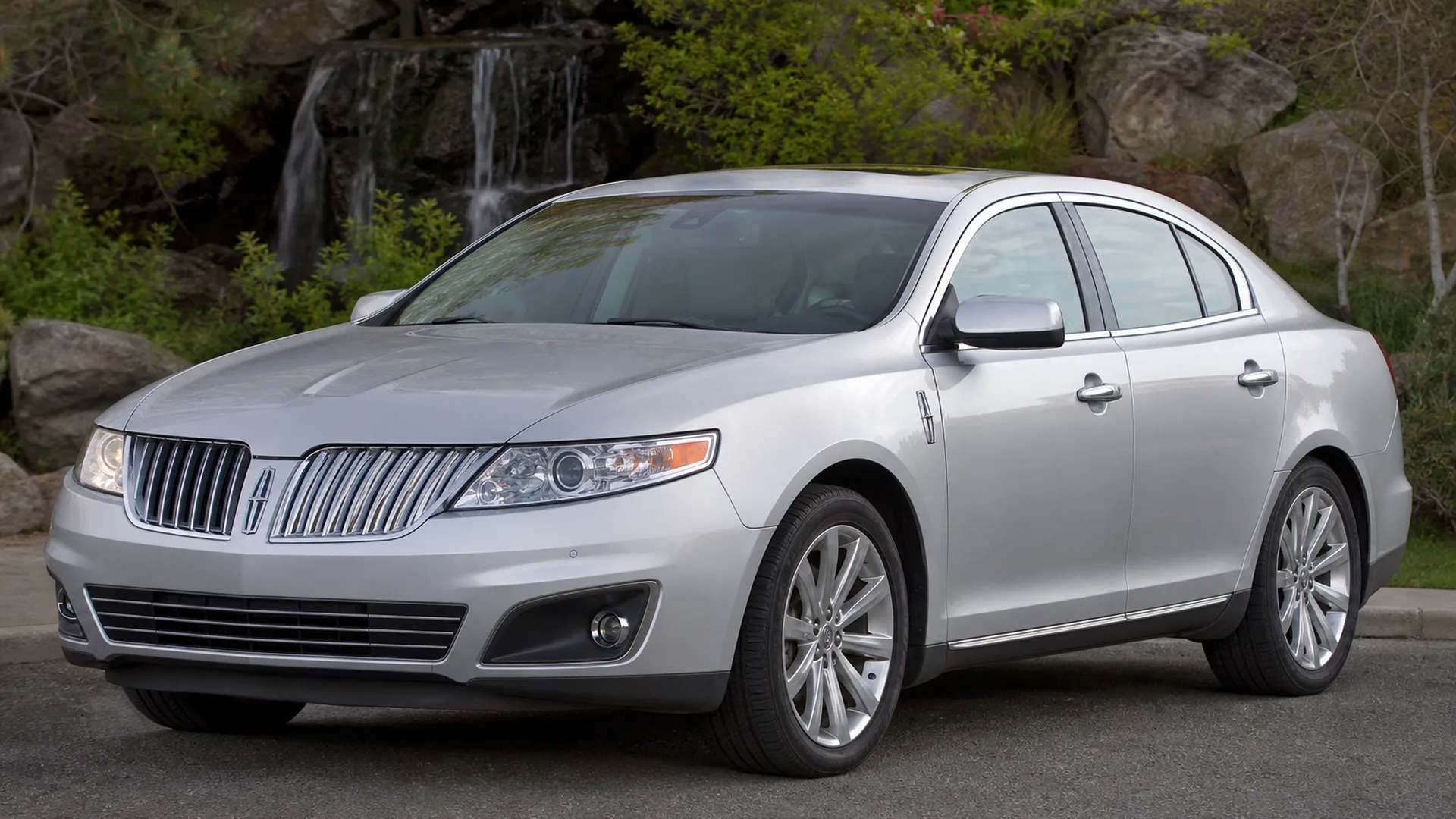
The Lincoln MKS promised a lot when it launched in 2009—a quiet, comfortable full-size luxury sedan with V6 power, optional all-wheel drive, and enough tech to compete with European rivals. For a few years, it served as Lincoln’s flagship, appealing to buyers who wanted American luxury without the German price tag.
But here’s the catch: not every MKS year delivered on that promise. Some model years turned into money pits, draining wallets with transmission rebuilds, electrical gremlins, and drivetrain failures that left owners stranded. If you’re shopping the used market, knowing which Lincoln MKS years to avoid can save you thousands in repair bills and plenty of frustration.
How we rated the best and worst Lincoln MKS years
We didn’t just skim a few forum posts and call it research. Our team pulled data from multiple trusted sources to build a complete picture of MKS reliability:
NHTSA complaint and recall databases gave us the official word on safety-related failures, including fuel system defects and steering assist malfunctions. CarComplaints.com showed us which years had the highest volume of owner complaints and which problems were most common. We cross-referenced those findings with Consumer Reports reliability ratings, RepairPal repair frequency data, and real-world feedback from Edmunds, Cars.com, Reddit, and Lincoln owner forums.
The goal was simple: find patterns. When multiple owners report the same expensive failure at similar mileage, and when NHTSA issues recalls for the same problem, that’s a red flag worth paying attention to. We weighted years with multiple system failures and safety recalls more heavily than isolated incidents, giving you a clear picture of which MKS years are genuinely risky.
Most Common Lincoln MKS Problems
Before we get into specific years, let’s talk about what actually goes wrong in these cars. The MKS isn’t all bad—some years are perfectly solid—but certain problems show up often enough that you need to know what you’re dealing with.
1. Engine troubles are more common than you’d expect in a luxury sedan. Some MKS models suffer from rough idling, hesitation, and—most concerning—sudden engine stalls while driving. Fuel pump failures are a frequent culprit, cutting off fuel flow and leaving you coasting to the shoulder at highway speed. The 2013 model year saw a spike in these complaints, with owners reporting their engines shutting off without warning. If you’re test-driving an MKS and the engine feels uneven or struggles to maintain idle, walk away.
Transmission problems plague several MKS years, particularly the earlier models. Harsh shifting, shuddering during acceleration, and delayed engagement when shifting from park to drive are all warning signs. Some 2011 owners reported needing full transmission rebuilds around 90,000 miles—repairs that cost upward of $5,000. Regular fluid changes help, but if the transmission already feels off, no amount of maintenance will fix a fundamentally flawed unit.
2. Electrical issues are where the MKS really shows its age. Ford’s early-2010s electronics weren’t as reliable as they needed to be, and the MKS suffered for it. Parasitic battery drain—where the battery mysteriously dies overnight—frustrated many owners. The infotainment system crashes, freezes, or goes dark entirely in some years. RepairPal lists radio and console failures as a recurring problem. Then there are the weird glitches: sunroofs opening by themselves (2011 models), door locks cycling randomly (2013 models), and sensors throwing false warnings. These problems usually trace back to faulty control modules or failing sensors, and diagnosing them can cost hundreds before you even fix anything.
3. Brake and suspension problems show up frequently, too. Premature brake pad wear is a consistent complaint—some 2011 owners needed new pads at just 3,000 miles, which is absurd for a luxury car. Grinding noises from the front brakes are common, and rotor warping happens faster than it should. On the suspension side, wheel hub bearings fail prematurely (especially in 2012 models), and some owners lost power steering assist entirely due to steering gear failures (2015 models). If you’re looking at an MKS with any clunking, grinding, or steering hesitation, expect expensive repairs soon.
Climate control quirks round out the list. The dual-zone A/C system can act erratic, with fan speeds changing on their own or cabin temperature swinging wildly without input. One 2013 owner reported the temperature “jumping between extremes” until an HVAC module replacement fixed it. These aren’t safety issues, but they’re annoying—and expensive to repair.
Worst Lincoln MKS Years to Avoid
Now let’s get specific. Five MKS model years stand out for high complaint volumes, expensive failures, and safety recalls. If you see any of these years on a dealer lot, keep walking.
2009 MKS: First-Year Problems
The 2009 MKS launched with all the usual first-year bugs, and then some. Owners reported serious drivetrain issues, including power transfer unit (PTU) failures on AWD models. The PTU is what sends power to the rear wheels, and when it fails—often around 90,000 miles—you’re looking at a $1,200+ repair. Electrical problems were rampant, with battery drain issues leaving cars unable to start. CarComplaints logged 82 problems for the 2009 model, and NHTSA received numerous reports of drivetrain and electrical failures. If you want a first-gen MKS, skip 2009 and buy a 2010 instead—Lincoln fixed a lot of these issues in the second year.
2011 MKS: Transmission and Brake Failures
The 2011 model didn’t age well. Transmission shuddering and jerking were common complaints, with some owners reporting slipping and delayed engagement that eventually required major repairs. Brakes wore out abnormally fast—some owners needed new pads after just a few thousand miles, suggesting subpar factory components. Steering complaints also spiked this year, including reports of power steering assist cutting out. With over 60 owner complaints filed and problems spanning multiple systems, the 2011 MKS is a year to skip.
2012 MKS: The Absolute Worst Year
If there’s one MKS year to avoid at all costs, it’s 2012. This model accumulated the highest number of owner complaints of any year, and the problems were both expensive and widespread. Radio and infotainment failures, grinding brakes, and drivetrain issues all hit peak levels in 2012. The single most-reported problem across the entire MKS run is from this year: a clunking, rattling AWD transfer case that requires replacement. RepairPal highlights the 2012 for audio system, brake, and A/C problems, reflecting a lack of quality control that year. Even if a 2012 MKS looks like a bargain, the repair costs will erase any savings.
2013 MKS: Safety Recalls and Engine Stalls
The 2013 model received a mid-cycle refresh with updated styling and more tech—but it also brought new problems. Multiple major recalls hit this year, including a fuel system defect that could cause leaks and fire risk, and a power steering assist failure where the electric steering would cut out without warning. Owners also reported engines shutting down while driving, a terrifying issue often linked to throttle body or fuel delivery faults. NHTSA logged dozens of steering-related complaints for 2013, many involving the electric power-assisted steering (EPAS) system. The combination of safety recalls and drivetrain issues makes 2013 a high-risk year.
2014 MKS: Still Problematic
The 2014 model didn’t fix much. Complaint numbers dropped slightly compared to 2012–2013, but owners still reported persistent electrical and infotainment bugs. Ford issued recalls for faulty fuel pump relays that could stall the engine, and the same electronic quirks from earlier years continued. In the used market, the 2014 MKS doesn’t offer enough improvement over the worst years to justify the risk. If you’re considering a 2014, ask yourself if it’s worth the gamble when 2015 and 2016 are so much better.
Best Lincoln MKS Years to Buy
Not every MKS year is a disaster. Three model years stand out for low complaint volumes and solid real-world performance.
2010 MKS: Budget-Friendly Option
The 2010 is the best of the early MKS years. As the second model year, it benefited from Lincoln fixing many of 2009’s bugs. Owner complaint counts dropped sharply, and CarComplaints shows very few issues on file. The 2010 didn’t have any widespread systemic failures and avoided the serious recalls that hit later years. If you’re shopping on a budget and want an early MKS, 2010 is your safest bet. Just make sure it has a full service history, and get a pre-purchase inspection focused on the drivetrain and electronics.
2015 MKS: Much Improved
By 2015, Lincoln had sorted out most of the MKS’s major issues. Complaint volumes dropped significantly, and owners reported far fewer drivetrain and electrical problems. CoPilot highlights the 2015 as a top pick, noting it “boasts few complaints and offers an excellent drive.” A couple of isolated PTU failures were reported around 23,000 miles, but these are outliers rather than widespread problems. Ford had addressed the steering assist issues with recall fixes by this point, and the MyLincoln Touch infotainment received software updates that improved stability. The 2015 MKS combines the refreshed styling and tech with much better reliability.
2016 MKS: The Best Year Overall
The final model year, 2016, is the most reliable MKS you can buy. By this point, Lincoln had resolved nearly all the known issues, and it shows in the data: 2016 owners have logged virtually zero complaints on CarComplaints—a remarkable turnaround from earlier years. The 2016 models benefited from all mid-cycle updates and improved component durability, including upgraded water pumps and refined electronics. Any remaining defects were likely fixed under warranty or recall before the cars left the factory. If you want an MKS, a well-maintained 2015 or 2016 is your best shot at a trouble-free experience.
Better Alternatives to Consider
If the MKS’s problem years have you reconsidering, several alternatives offer similar luxury with better reliability.
Lincoln MKZ (2013–2016) is the natural alternative if you want to stay in the Lincoln family. It’s a midsize luxury sedan based on the Ford Fusion platform, offering similar features—panoramic roof, THX audio, refined ride—in a slightly smaller package. The second-generation MKZ (2013+) has better reliability than the MKS, with fewer drivetrain and electrical issues. You get Lincoln luxury with lower ownership costs.
Toyota Avalon (2011–2018) is the smart choice if reliability is your top priority. This full-size sedan routinely tops dependability surveys, with owners reporting 200,000+ miles on original drivetrains. The third-gen (2011–2012) and fourth-gen (2013–2018) Avalons offer Lexus-like quiet and comfort with Toyota’s lower cost of ownership. If you want a hassle-free luxury sedan experience, the Avalon is hard to beat.
Lexus ES 350 (2013–2018) and GS 350 (2013–2019) are excellent if you want luxury with proven durability. Lexus models are legendary for build quality and longevity, routinely topping reliability surveys. The ES is a FWD sedan similar to the Avalon but with more luxury appointments, while the GS offers RWD or AWD with sportier handling. Both deliver comfort without the repair headaches.
Cadillac CTS (2014–2019) is worth a look if you want sportier driving dynamics. The third-generation Cadillac CTS offers powerful engine options (including a twin-turbo V6), a refined interior, and sharp handling. Cadillac improved quality significantly over the earlier 2008–2013 models, making 2014+ CTS years a decent balance of performance and reliability.
Final Thoughts: Choose Carefully
The Lincoln MKS can be a comfortable, well-equipped luxury sedan—if you choose the right year. Steer clear of 2009, 2011, 2012, 2013, and 2014. These years are plagued with drivetrain failures, electrical gremlins, brake problems, and safety recalls that make ownership expensive and stressful. 2012 is the absolute worst, with the highest complaint volume and costliest repairs.
If you’re set on an MKS, target 2015 or 2016—these are the most reliable years, with minimal complaints and improved components. The 2010 is also acceptable if you’re shopping on a budget, but get a thorough pre-purchase inspection first.
That said, if reliability matters more than badge appeal, consider a Toyota Avalon or Lexus ES/GS instead. These cars deliver similar comfort and features with far fewer repair surprises. Knowing which Lincoln MKS years to avoid can save you thousands in unexpected repairs and help you choose a luxury sedan that delivers comfort instead of constant shop visits.