
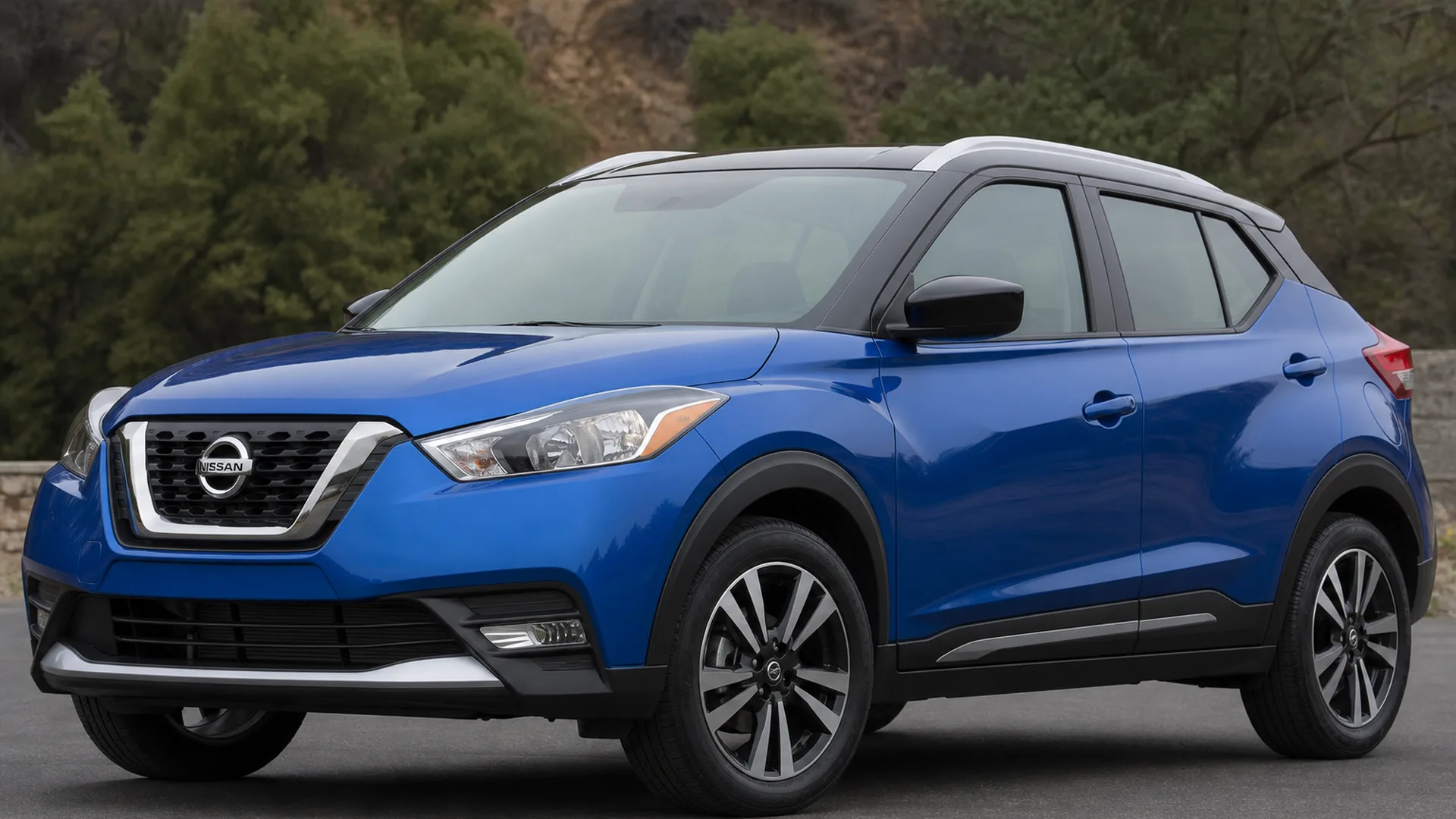
Shopping for a used Nissan Kicks? You’re probably drawn to its affordable price tag, impressive fuel economy (up to 36 mpg highway), and compact size that makes city parking a breeze. Nissan introduced the Kicks to the U.S. market in 2018 as a budget-friendly replacement for the quirky Juke, targeting young buyers who wanted modern style without the hefty payment.
But here’s the catch: not all Kicks are created equal. Early model years came with troubling CVT transmission failures, sudden braking incidents caused by faulty sensors, and a string of recalls that left owners frustrated. This guide breaks down exactly which Nissan Kicks years you should avoid, what problems to watch for, and which model years actually deliver the reliability you’re paying for.
How We Researched This Guide
Our team pulled data from multiple authoritative sources to give you the complete picture. We combed through NHTSA‘s complaint database and recall notices, analyzed owner reports on CarComplaints organized by model year, and reviewed Consumer Reports‘ reliability predictions. We also cross-referenced Transport Canada’s safety bulletins, studied owner discussions on Reddit and Kicks-specific forums (particularly around CVT longevity and sensor malfunctions), and consulted professional mechanics who regularly work on Nissan’s CVT systems. The result? A clear view of which years carry the most risk and which ones you can buy with confidence.
The Problems That Keep Coming Up
Every car has quirks, but the Nissan Kicks developed some patterns you need to know about before signing any paperwork. The issues aren’t evenly distributed across all years—some model years got hit harder than others—but understanding the common trouble spots helps you know what to inspect during a test drive.
1. Transmission Trouble You Can’t Ignore
The Kicks uses Nissan’s continuously variable transmission (CVT), manufactured by JATCO, and it’s been the source of more headaches than any other component. Owners of 2018 through 2020 models describe transmissions that hesitate when you press the gas, shudder during acceleration, or slip between gears. Some drivers report a complete lack of power when merging onto highways—scary when you need to accelerate quickly. The 2020 model year saw the highest rate of transmission failures, with many occurring around 57,000 miles.
That’s well before you’d expect a major component to die, and replacement costs run between $4,000 and $6,000. Nissan’s CVTs are sensitive to maintenance—you need fluid changes every 40,000 miles or so to keep them healthy. Skip those services, and you’re gambling with an expensive repair. Without proper care, these transmissions can fail before hitting 100,000 miles, leaving you with a car that jerks, slips, or won’t move at all.
2. Engines That Stall When You Least Expect It
Stalling problems plagued the early Kicks, particularly the 2018 and 2019 models. Drivers reported their cars sputtering at idle, hesitating during acceleration, and—in the worst cases—shutting off completely while driving. The 2019 year had a specific issue with defective throttle bodies that typically needed replacement around 60,000 miles to fix persistent stalling and power loss. Sometimes the problem stemmed from a clogged fuel filter or a failing mass airflow sensor, but other cases pointed to deeper electronic control issues.
A few owners described situations where their Kicks wouldn’t restart immediately after stalling, which raises serious safety concerns if it happens in traffic or at a busy intersection. Nissan released software updates and technical service bulletins addressing some of these stalling complaints, but the fact remains: 2018 and 2019 are the years most affected by engine drivability problems.
3. Brakes That Apply Themselves
Here’s where things get genuinely dangerous. Many 2018 and 2019 Kicks suffered from faulty forward collision sensors that would trigger the automatic emergency braking (AEB) system when nothing was actually in front of the car. Owners describe “phantom braking” incidents where the Kicks suddenly slammed on the brakes on clear roads, sometimes in highway traffic. The dashboard would flash an “Unavailable Front Radar Obstruction” warning, or the AEB would activate without any obstacle present. This wasn’t just irritating—it created rear-end collision risks when cars behind didn’t expect the sudden stop. Nissan faced a class-action lawsuit over false AEB activations across several models during this period.
While the company issued software recalls and updates, some Kicks owners still experience intermittent collision warnings and erroneous ABS or traction control lights. Beyond the sensor glitches, the physical brake components themselves are fairly standard. There have been scattered complaints about brake pads wearing faster than expected in city driving, but no widespread failures of brake hardware. The suspension has actually been one of the Kicks’ stronger points—the ride is a bit firm, but the simple suspension design hasn’t shown any unusual failure patterns worth noting.
4. Electrical Gremlins and Warning Light Festivals
Electrical problems have shown up across multiple years, though 2020 models seemed particularly prone. Owners describe a “Christmas tree” effect on the dashboard—multiple warning lights (check engine, traction control, ABS) illuminating randomly without any clear cause. Some 2019 through 2021 Kicks developed an odd clicking noise behind the instrument cluster, usually traced to a relay or actuator that kept cycling on and off.
The 2018 models had a recall for backup camera failures—the rear camera would go blank due to a software bug, requiring a dealer update to restore the image. More seriously, about 12,000 Kicks from the 2021 model year were recalled for a defective electric torque sensor in the steering column that could cause loss of power steering assist.
If that sensor fails, you can still steer the car manually, but it takes significantly more effort—not what you want in an emergency situation. On the technology front, the Kicks’ infotainment system is pretty basic, and most owners don’t report unusual problems. There are occasional mentions of the screen freezing or Bluetooth connectivity dropping, but nothing that stands out compared to other modern cars. Some 2023 models threw up parking sensor errors with a generic “See Owner’s Manual” message, typically resolved by having the dealer recalibrate the sensors. All in all, electrical and tech issues have mostly been annoyances rather than catastrophes, with two major exceptions: the AEB sensor debacle and the power steering sensor recall.
5. Air Conditioning That Gives Up in Traffic
The Kicks comes with a modest 1.6-liter engine putting out 122 horsepower, and that power gets stretched thin when the AC compressor kicks in. Owners in warmer climates report that the air conditioning blows lukewarm air when idling at stoplights, only cooling properly once the car is moving. This is somewhat normal for small economy cars with less powerful engines, but it’s genuinely uncomfortable during summer gridlock.
Some 2018 Kicks with automatic climate control had strange calibration issues—one frustrated owner joked that setting the temperature to 62°F left you sweating while 61°F turned the cabin into a freezer. There was no middle ground. If you’re test-driving a used Kicks, definitely run the AC while sitting still for a few minutes to see how it performs. A full AC service—checking refrigerant levels, inspecting the compressor, or applying a software update—can sometimes improve performance. Nissan did release technical service bulletins addressing HVAC control quirks on early models. But compared to some competitors, cooling performance at idle remains a known weak point of the Kicks.
6. The Recall Scorecard
Since its launch, the Kicks has racked up several safety recalls you should know about. The 2018 models were recalled twice: once for the backup camera software glitch mentioned earlier, and again as part of the massive industry-wide Takata airbag inflator replacement program. The 2021 year had that significant recall to fix potential electric power steering failures, with dealers inspecting and replacing faulty steering columns as needed.
Nissan also pushed out multiple software updates for the forward emergency braking system to reduce those false activation incidents. Before you buy any used Kicks, run the VIN through NHTSA’s recall lookup tool and verify that all recall repairs have been completed. These fixes are free at dealerships and critical for your safety—don’t skip this step.
The Model Years You Should Skip
If you’re looking at used Kicks, three model years stand out as particularly risky buys. Owner reports, complaint data, and reliability analyses all point to 2018, 2019, and 2020 as the trouble-prone years. But one year is worse than the rest by a significant margin.
2019 Nissan Kicks—The One to Avoid at Any Price
The 2019 model year has earned the dubious distinction of being the absolute worst year for the Kicks. It logged the highest complaint volume and the most severe problems. Owners of 2019 models faced malfunctioning collision sensors that caused sudden, unexpected braking. Engines stalled without warning. Throttle bodies failed, leaving drivers with unresponsive accelerators.
CVT transmissions developed problems, sometimes catastrophically. Electrical systems threw random error codes. It’s like Nissan packed every possible first-generation problem into this single year. Even if you find a 2019 Kicks at a bargain price, walk away. The phantom braking issue alone presents a real safety risk—the last thing you need is your car slamming on the brakes in traffic because a faulty sensor thinks there’s an obstacle that doesn’t exist. The potential repair costs and headaches simply aren’t worth any initial savings.
2020 Nissan Kicks—Still Problematic, Just Less So
The 2020 isn’t quite as bad as 2019, but it still carries significant risks. This year saw the highest rate of CVT transmission failures, with some occurring before 60,000 miles. Transmission problems were actually the most-reported issue across all Kicks model years, and 2020 was the peak. Nissan had made some incremental improvements to the CVT by this point, so it’s slightly more durable than the 2018–2019 units, but reliability still fell well below average.
Owners also reported those same sensor malfunctions (random warning lights appearing without cause) and occasional engine stalling similar to earlier years. The 2020 represents the last model year before Nissan’s mid-cycle refresh, which means it inherited most of the first-generation’s unresolved bugs. Unless you can verify a complete maintenance history showing regular CVT fluid services and all recall repairs, a 2020 Kicks is a risky gamble.
2018 Nissan Kicks—First Year Blues
As the debut model year for the North American market, the 2018 Kicks had the typical first-year production issues. The AEB sensor threw those “front radar obstruction” warnings even at low mileage, and some engines stalled at idle or showed rough acceleration. Climate control calibration was quirky. One small silver lining: the 2018 didn’t yet have the full Safety Shield suite (forward collision braking was standard, but many other driver assistance features were optional or unavailable), so there were fewer high-tech components to malfunction compared to 2019 and later.
Still, buying a first model year of any car is inherently riskier—engineers haven’t had time to identify and address early design flaws. If you absolutely must consider a 2018 Kicks, make sure every recall has been completed and pay for a thorough pre-purchase inspection, paying extra attention to the fuel system and brakes.
Steering clear of 2018 through 2020 dramatically improves your chances of getting a reliable Kicks. Complaint counts dropped sharply after 2020, showing that Nissan finally worked out the major issues with the 2021 refresh.
The Years That Actually Deliver
Later model years of the first-generation Kicks tell a much better story. If you’re set on buying a used Kicks, target 2021 or 2022—these are the years that deliver the reliability Nissan should have offered from the start.
2021 Nissan Kicks—The Turnaround Year
Nissan gave the Kicks a mid-cycle refresh for 2021, and the improvements show. This is widely considered the most reliable year of the first generation, offering a smoother ownership experience without the constant problems of earlier models. By 2021, engineers had ironed out the major bugs: the AEB sensor issues were largely resolved, throttle response was sorted, and the CVT received important updates.
Nissan also made Safety Shield 360 standard equipment, bringing more advanced driver aids—and thankfully, these refined systems haven’t shown the same glitches as the earlier versions. Complaint volumes on 2021 models are very low. The refresh also brought a slightly updated interior with more standard tech features, improving overall value. If you want a trouble-free Kicks, start your search with 2021 or newer models.
2022 Nissan Kicks—More of the Good Stuff
The 2022 is essentially a carryover from 2021, continuing the trend of strong reliability. It’s often mentioned alongside 2021 as a “best year” choice. No significant problems surfaced for 2022—it benefited from all the same improvements and refinements. Owners consistently report satisfaction with the reliability of 2021–2022 Kicks. The engine and transmission have proven themselves by this point, and the electronics are stable. If you spot a good deal on a 2022 Kicks with decent mileage and maintenance records, it should be one of the most dependable options in the entire lineup.
2023 and 2024 Nissan Kicks—The Final First-Gen Years
These last years of the first generation didn’t receive any major changes, and reliability remained solid. There were a few isolated complaints—like that 2023 parking sensor glitch I mentioned earlier—but nothing systemic. While complaint counts tick slightly higher than 2021–22, they’re nowhere near the problem rates of 2018–20. Any Kicks from 2021 through 2024 makes a sound used purchase, with 2021–2022 hitting the sweet spot of reasonable pricing combined with proven reliability.
2025 Nissan Kicks—The Unknown Quantity
Nissan launched a completely redesigned second-generation Kicks for 2025. It features a new 2.0-liter engine, an available AWD option, and updated technology throughout. Early impressions suggest Nissan learned from past mistakes—the CVT has been improved again, and the safety systems have been updated. That said, we simply don’t have enough real-world data yet to judge long-term reliability.
As with any first model year of a new generation, some teething problems are possible. Early owner reports mention occasional CVT shudder or false collision alerts, though nowhere near the severity of 2019. If you’re buying new, the full warranty provides peace of mind. But if you’re shopping used, the proven track record of 2021–2024 models makes them the safer choice right now.
The bottom line is simple: aim for 2021 or 2022, with 2023–2024 as solid alternatives. These years give you the Kicks’ best qualities—excellent fuel economy, easy maneuverability, and surprisingly good interior space for a subcompact—without the persistent problems that made early owners miserable.
Better Options Worth Considering
The subcompact crossover segment is crowded with alternatives, and several have proven more reliable than the Nissan Kicks. If you’re open to exploring other brands, these models deserve your attention—complete with the specific model years that offer the best track records.
Honda HR-V (2017–2020)—The Reliability Champion
Honda’s HR-V has built a reputation for bulletproof dependability and clever interior design (thanks to those “Magic Seats” that fold multiple ways). It consistently ranks as one of the most reliable subcompact SUVs you can buy. All first-generation HR-Vs from 2016 through 2021 are solid choices, but the 2017–2020 models have an especially strong track record. Honda’s CVT is more refined and durable than Nissan’s version, and owners routinely report racking up 100,000 miles or more with only routine maintenance—just keep up with those fluid changes. If you want a small crossover you can count on, a late-2010s HR-V is tough to beat. Starting in 2019, you also get standard safety tech and Apple CarPlay as a bonus.
Mazda CX-3 (2018–2021)—The Sporty Alternative
Mazda’s CX-3 is another reliability star in this class. RepairPal gives it a 4.5 out of 5 reliability rating, matching the HR-V. The 2018 through 2021 models are recommended—Mazda made incremental improvements over the years, and by 2018 automatic emergency braking was standard without the problems that plagued the Kicks.
The CX-3 offers a sportier driving experience and a more upscale interior feel than you’d expect in this price range. The trade-off is a tighter backseat and less cargo room. But if reliability matters more than maximum space, and you don’t need seating for full-size adults in back, a CX-3 should be on your shortlist. Owners report very few issues even at high mileage, and the 2.0-liter engine paired with a traditional 6-speed automatic is proven, reliable hardware.
Toyota C-HR (2018–2022)—The Set-It-and-Forget-It Choice
Toyota’s distinctively styled C-HR lacks AWD and won’t win any drag races, but it compensates with Toyota’s legendary reliability. The C-HR uses simpler mechanics—a 2.0-liter naturally aspirated engine with no turbocharger—and has generated minimal complaints since launch. Any year from 2018 through 2022 is a safe bet, since there were no major changes or trouble spots throughout its run.
Consumer Reports once called the C-HR Toyota’s “least reliable” model, but that says more about Toyota’s impossibly high standards than any real problem with the C-HR. In absolute terms, it still performs well above the industry average for dependability. If you want an urban crossover you can buy and basically forget about for years (aside from oil changes), a C-HR or its newer Corolla Cross sibling should deliver exactly that. Just be prepared for slower acceleration and a snug rear seat.
Kia Soul (2017–2019)—The Spacious Budget Pick
If you need a bit more room or power, the Kia Soul is a popular alternative that’s generally reliable and affordable. The Soul is more of a tall hatchback than a true crossover, but it offers a spacious interior and funky styling. The 2017 through 2019 second-generation Souls have good reliability histories, particularly models with the base 2.0-liter engine (avoid the small turbo and dual-clutch transmission offered in some trims—those can be problematic).
The Soul often appears on lists of the most reliable subcompact SUVs. Just note that 2020 Souls had an engine recall for a potential piston ring defect, so sticking with 2017–2019 is the smarter move. A well-maintained Soul offers a lot of features for the money, and Kia’s longer warranty can transfer to subsequent owners, adding extra peace of mind.
A Few More to Know About
The Subaru Crosstrek deserves mention—it’s slightly larger than the Kicks with standard AWD and excellent long-term durability (many Crosstreks surpass 150,000 miles without major issues). A 2018 or newer Crosstrek makes a great alternative if you want AWD capability and top-tier safety ratings, though you should verify any recalls on the FB20 engine have been addressed.
The Chevy Trax and Buick Encore twins are also in this segment, but their reliability is more middle-of-the-pack—decent but not matching the Japanese brands. The Ford EcoSport has known issues and should probably be avoided. If you’re willing to step up to a slightly bigger vehicle, a mid-2010s Honda CR-V or Toyota RAV4 could be an alternative—those two are among the most reliable SUVs on the market, period.
Shop Honda, Toyota, or Mazda if dependability is your top priority. An HR-V or CX-3 from the late 2010s will likely run for years with fewer repairs than an equivalent-year Kicks. Whatever you’re considering, always compare maintenance histories and invest in a pre-purchase inspection from a trusted mechanic.
What You Need to Remember
The Nissan Kicks is a stylish, efficient little crossover with a lot to offer—when you choose the right model year. Avoid the problematic 2018 through 2020 models that suffered from transmission failures, engine stalling, and dangerous sensor malfunctions. Instead, target a 2021 or newer Kicks that has proven far more reliable. Cross-shop the excellent alternatives from Honda, Mazda, and Toyota that have earned their reputations for dependability.
A cheap 2019 Kicks might look like a bargain today, but once you factor in transmission replacements, sensor repairs, and the constant worry about sudden braking failures, it becomes expensive fast. Reliability always costs less in the long run. With the right model year—whether that’s a late-first-generation Kicks or one of its highly reliable competitors—you can enjoy worry-free driving in a fuel-efficient subcompact crossover that actually does what it’s supposed to do: get you where you need to go without drama.