
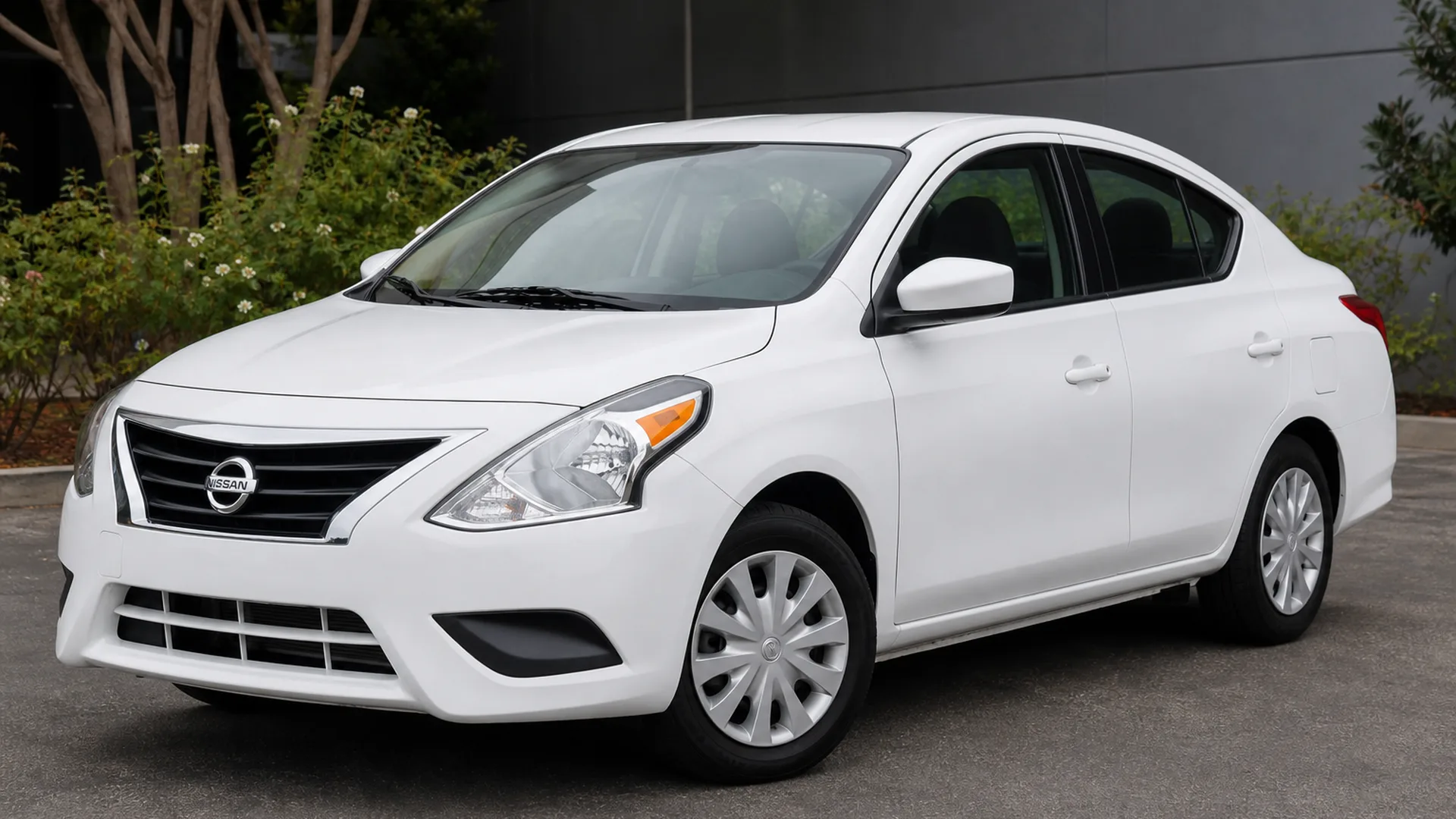
The Nissan Versa has carved out a solid reputation as one of America’s most budget-friendly subcompact cars. With impressive fuel economy and low upfront costs, it’s become a go-to choice for students, first-time buyers, and anyone looking to keep their transportation expenses minimal.
But here’s the catch—some Versa model years are notorious for expensive breakdowns, safety recalls, and reliability nightmares that can quickly turn your bargain buy into a financial headache. We’ve analyzed NHTSA complaints, recall data, and owner feedback to identify exactly which years you should skip and which ones offer genuine value.
Most Common Nissan Versa Problems
Before we get into specific years, let’s talk about the recurring issues that plague certain Versa models. Understanding these patterns will help you spot red flags when shopping for a used one.
CVT Transmission Nightmares The biggest villain in the Versa story is the continuously variable transmission (CVT). Unlike traditional automatics, CVTs use belts and pulleys instead of gears, which can fail spectacularly. When they go bad—often around 70,000 to 90,000 miles—you’re looking at repair bills between $3,000 and $4,500. For a car that might only be worth $8,000 used, that’s a deal-breaker.
Suspension Failures That Can Be Dangerous Early Versa models had a nasty habit of breaking their front coil springs while you’re driving. This isn’t just inconvenient—it can puncture your tire or affect your ability to control the car. Nissan eventually issued recalls for this problem, but not before many owners experienced scary roadside breakdowns.
Engine Problems in Launch Years Like many first-generation vehicles, the early Versa suffered from engine issues that required complete replacement. Imagine your engine dying at 50,000 miles and facing a $4,000+ repair bill. That’s what happened to many 2007 owners.
Safety Recalls and Defects Several Versa years were caught up in major safety recalls, including the infamous Takata airbag situation and a shifter defect that could let the car roll away when parked. While recalls are free to fix, they indicate underlying design problems that can affect long-term reliability.
The bottom line? These problems turn an otherwise affordable car into an expensive mistake. A typical Versa costs only about $450 per year to maintain, but the problem years can hit you with single repairs that cost more than several years of normal maintenance combined.
Worst Nissan Versa years to avoid
2007 Nissan Versa: A Rocky Debut
Being a first-model-year vehicle is never easy, and the 2007 Versa proves this point. This inaugural year accumulated 549 NHTSA complaints and 8 recalls—not exactly the reliable start Nissan was hoping for.
The most serious issue was premature engine failure. Owners reported their engines making loud clanking noises before dying completely, typically around 50,000 miles. Getting this fixed meant a complete engine replacement costing roughly $4,200—more than many 2007 Versas are worth today.
On top of engine troubles, the 2007 model was included in the massive Takata airbag recall. These defective airbags could explode during deployment, potentially sending metal fragments at passengers. While the recall fixes this safety hazard, it highlights the problematic nature of this model year.
2008 Nissan Versa: Transmission Troubles Continue
The 2008 Versa didn’t learn from its predecessor’s mistakes. This year racked up 558 complaints and 8 recalls, with transmission problems taking center stage.
Owners complained about unusual transmission noises, fluid leaks, and rough shifting. Many needed complete transmission rebuilds or replacements, with costs averaging around $3,700. The 2008 also suffered from premature exhaust flange rust, causing loud exhaust noises and potential emissions issues (fixing this cost about $280).
These mechanical problems, combined with ongoing recall issues, make the 2008 another year to cross off your list.
2009 Nissan Versa: Suspension Scares
By 2009, you’d think Nissan would have worked out the kinks. Instead, this year managed to accumulate an even higher complaint count, 765 NHTSA complaints alongside 8 recalls.
The standout problem was suspension failure. Front coil springs would snap without warning, sometimes while driving. In the worst cases, broken springs punctured tires, creating immediate safety hazards. This problem was so widespread that Nissan eventually recalled 2007-2012 Versas to replace potentially defective coil springs.
Fuel pump failures were also common in 2009, causing stalling or preventing the car from starting. Between suspension scares and fuel system problems, the 2009 Versa continued the first generation’s troubled reputation.
2012 Nissan Versa: The Absolute Worst Year
If there’s one Versa year to avoid above all others, it’s 2012. This second-generation launch year earned the infamous “Avoid Like the Plague” designation from CarComplaints.com, and for good reason.
With 812 complaints and 11 recalls, the 2012 Versa holds the dubious record for most problems of any Versa year. The CVT transmission failures were legendary—many owners experienced complete breakdowns requiring $3,500 replacements.
But transmission problems weren’t the only issue. A defective shifter allowed cars to slip out of Park without pressing the brake pedal, creating a roll-away risk. This dangerous defect led to a recall affecting over 36,000 vehicles.
The problems were so severe that Nissan faced class-action lawsuits and had to extend CVT warranties. Even though the 2012 Versa earned an IIHS Top Safety Pick award for crash protection, the mechanical reliability was so poor that any safety benefits were overshadowed.
2014 Nissan Versa: CVT Problems Persist
While not quite as notorious as 2012, the 2014 Versa still earned an “Avoid Like the Plague” warning. The CVT problems that plagued 2012 continued, with owners reporting transmission failures, loud whining noises, and poor shifting performance.
Nissan extended transmission warranties for many 2014 owners, but failures still occurred outside warranty coverage. CVT replacements continued to cost around $3,400, making repairs economically questionable for older cars.
The 2014 also introduced new safety concerns. When IIHS began testing subcompact cars with their challenging small-overlap frontal crash test, the Versa failed badly. It received a “Poor” rating, indicating high injury risk in certain types of front-corner collisions.
Some 2014 owners also reported severe power loss issues, with cars unable to accelerate above 40 mph. Between ongoing CVT problems and poor crash test performance, the 2014 Versa continues the second generation’s early troubles.
The Reliable Nissan Versa Years Worth Buying
Not every Versa year is a disaster waiting to happen. Several model years have proven reliable and offer genuine value for budget-conscious buyers.
2010-2011: Late First Generation Gets It Right
By 2010, Nissan had finally sorted out most of the first generation’s problems. The 2010 Versa showed a dramatic drop in engine and transmission complaints compared to earlier years. The 2011 continued this improvement, with RepairPal giving it a 4 out of 5 reliability rating.
These years still carried the Takata airbag recall, so make sure any used purchase has had the airbag inflator replaced. But overall, 2010-2011 Versas offer the fuel efficiency and low costs you want without the major mechanical headaches.
2015-2019: Second Generation Redeemed
It took a few years after the troubled 2012 redesign, but by 2015 the second-generation Versa had become genuinely reliable. Engine and transmission complaints dropped to single digits—a huge improvement from earlier years.
The 2017 Versa stands out as particularly reliable, with only two transmission complaints despite over 106,000 units sold. The 2018 model is often recommended by used car experts, with minimal complaints and annual maintenance costs of just $353—even lower than the already-low Versa average.
By 2019, the final year of the second generation, virtually no significant problems were reported. These later second-generation cars also came with more modern features and had all earlier recalls addressed.
2020-2024: Third Generation Delivers
The completely redesigned 2020 Versa brought updated styling and standard safety features like automatic emergency braking. While 2020 was another first model year (historically risky), no major systemic problems emerged.
The 2021-2024 Nisan Versa models appear to offer solid reliability with improved crash safety compared to earlier generations. The new structure performs much better in small-overlap crashes, and advanced driver assistance features help prevent accidents altogether.
Smart Shopping Tips for Used Versas
If you’re set on buying a used Versa, here’s how to avoid the problem years while finding a reliable one:
Check Recall Status: Always verify that any recalls have been completed, especially for airbags and suspension components. The NHTSA website lets you search by VIN number.
Get a Pre-Purchase Inspection: Especially for 2007-2014 models, have a qualified mechanic check the transmission, engine, and suspension before buying.
Review Maintenance Records: Look for evidence of regular oil changes and transmission service. CVT transmissions are particularly sensitive to proper fluid maintenance.
Test Drive Thoroughly: Pay attention to transmission behavior, engine noises, and suspension feel. Any unusual sounds or performance issues could indicate expensive problems ahead.
Best Alternatives to the Nissan Versa
Chevrolet Sonic (2017; 2019–2020) – The Chevy Sonic’s final production years were its best and most reliable. Early models had numerous engine and transmission complaints, but by 2017 the Sonic had undergone updates and quality improvements. Owner complaint data show a dramatic decline, with later models having near-zero reported issues. The 2019–2020 Sonic in particular stands out for solid reliability, improved safety, and better overall build quality. Strengths of the later-year Sonic include a peppy yet efficient engine, strong safety ratings, and features like Apple CarPlay. Many owners report these models easily exceeding high mileage with routine maintenance, making them a durable and budget-friendly alternative to the Nissan Versa.
Toyota Yaris (2015; 2018–2019) – Toyota’s subcompact (sold as a sedan under the Yaris iA name in 2017–2018) is renowned for exceptional reliability. Its engine and transmission are rock-solid, with 2015 models and the Mazda-built 2018–2019 Yaris sedan showing virtually zero serious issues reported. In fact, the Yaris earned a 4.5 out of 5.0 reliability rating on RepairPal and has been highlighted as a worry-free used car choice. Drivers also enjoy excellent fuel economy and, in later years, more advanced tech and safety features than many rivals. Overall, a well-maintained Yaris will deliver inexpensive, trouble-free commuting for years.
Hyundai Accent (2015; 2018–2020) – The Accent is a well-rounded subcompact sedan with a strong track record in its best years. 2015 (the last model year of its generation) stands out as a high-reliability year, having ironed out earlier engine and transmission issues. After a redesign, 2018–2020 Accents further improved: these newer models have almost no major complaints on record and avoid the costly defects seen in older model years. In addition to dependable powertrains, the Accent offers good ride comfort, excellent fuel efficiency, and low ownership costs. Later years also introduced modern infotainment features, all backed by Hyundai’s lengthy warranty, making the Accent a top choice for reliability and value.
Kia Rio (2017; 2019–2020) – Kia’s subcompact sedan has become a reliability gem in recent iterations. Earlier third-generation Rios suffered some engine problems, but by 2017 (the generation’s final year) Kia had resolved most issues. Engine and transmission complaints dropped to practically zero, earning this year a strong reputation for dependability. The fourth-generation 2019–2020 Rio continues that streak, with no significant powertrain problems reported. These years also benefit from an updated design with a quieter cabin, improved ride quality, and modern tech such as touchscreen infotainment and smartphone integration. With its strong reliability, high fuel economy, and industry-leading warranty, a late-model Rio is a comfortable and worry-free alternative to the Versa.
Final Thoughts: Choose Wisely for Long-Term Value
The Nissan Versa can be a smart, budget-friendly car—but only if you choose the right model year. Steer clear of the 2007, 2008, 2009, 2012, and 2014 models, which are far more likely to suffer from costly engine, transmission, and suspension problems. Instead, aim for the 2010–2011, 2015–2019, or 2021 and newer Versas, which have proven to be far more dependable.
A cheaper purchase price on a problem year often leads to expensive repairs that wipe out any upfront savings. Spending a little more on a reliable Versa usually pays off over time. Always confirm that recalls have been completed, have the car inspected by a professional, and don’t let a low price tag override long-term ownership costs. Choose carefully, and the Versa can deliver excellent fuel economy and low running expenses without the reliability headaches seen in its worst years.