
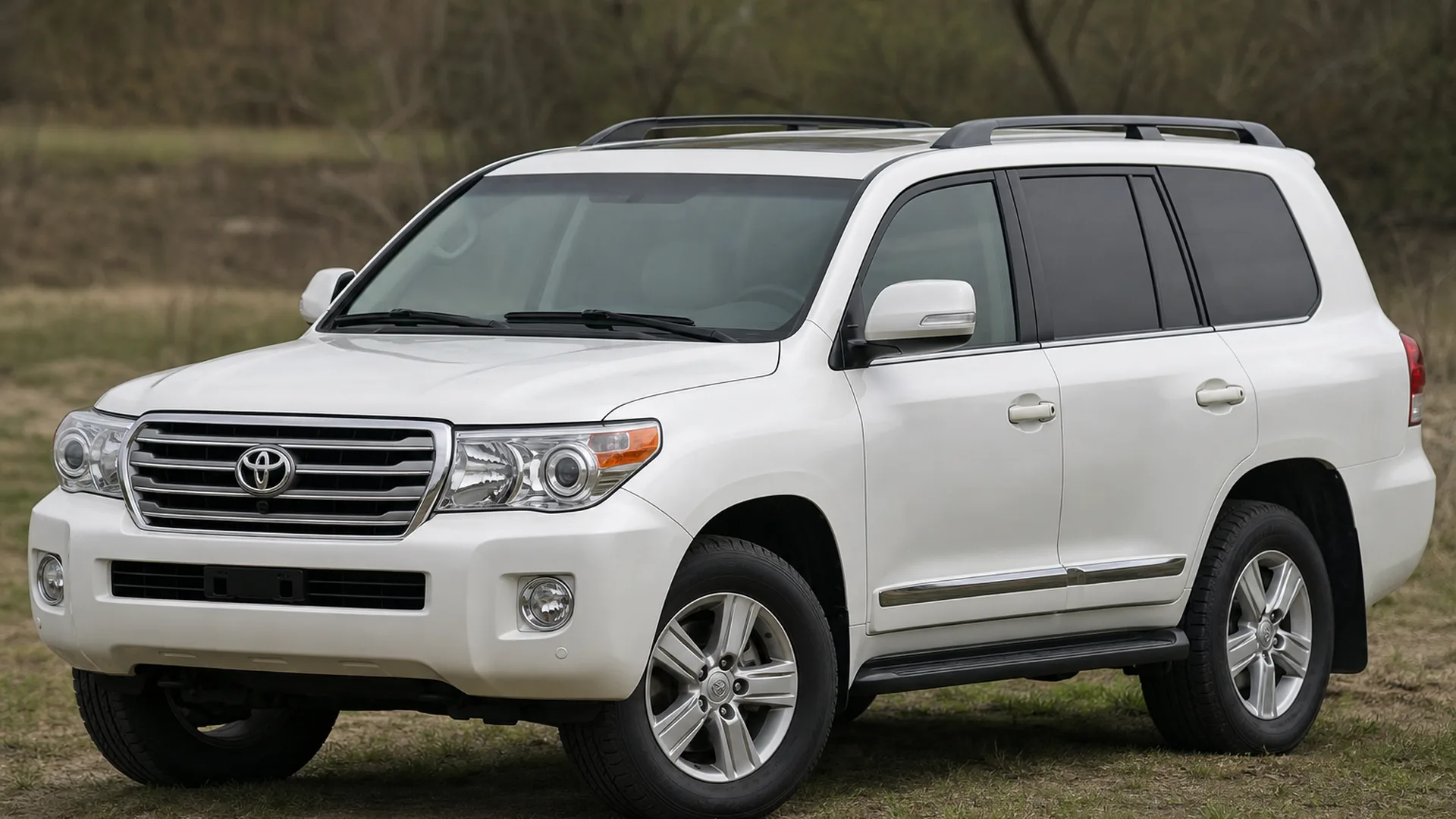
The Toyota Land Cruiser has earned legendary status. For over six decades, it’s been the go-anywhere SUV that refuses to quit—routinely hitting 300,000+ miles and still commanding top dollar on the used market. But here’s what most buyers don’t realize: even icons have weak spots. Certain Land Cruiser model years suffer from brake failures, transmission headaches, frame rust, and costly safety recalls that can turn your dream purchase into a maintenance nightmare. This guide breaks down the Toyota Land Cruiser years to avoid, the most reliable years worth buying, and smarter alternatives if the price tag doesn’t match your budget.
How we rated the best and worst Toyota Land Cruiser years
We pulled data from multiple trusted sources to identify which Land Cruisers deserve caution. NHTSA complaint records showed us where owners reported brake failures, sudden acceleration, and transmission problems. We cross-referenced that with Toyota’s official recall campaigns—Takata airbags, sticky accelerator pedals, and airbag sensor failures all made the list. Consumer Reports reliability trends and long-term ownership reviews from Edmunds and KBB added real-world context. We also scanned Land Cruiser forums where owners document costly repairs and recurring faults that don’t always show up in official databases.
Our analysis focused on three key factors: safety-critical failures (brakes, airbags, unintended acceleration), cost-severity (how expensive repairs run), and pattern frequency (one-off complaints versus widespread issues). We paid special attention to first-year redesigns—when Toyota introduces a new generation, early bugs often surface. We also tracked generational differences across the 80-Series, 100-Series, and 200-Series to see where problems clustered.
Most Common Toyota Land Cruiser Problems
Land Cruisers are tough, but they’re not invincible. Here’s what tends to break when these SUVs have a bad year:
1. Engines and Cooling
Most Land Cruiser engines are rock-solid. The 2002 model, though, saw reports of sudden overheating and power loss. Some owners faced complete engine failure, $6,000 repair bills in extreme cases. Older 1999–2000 models occasionally developed head gasket leaks that caused mysterious coolant loss. The newer 5.7L V8 (200-Series) can develop oil leaks around the cam towers as it ages, plus minor oil consumption past 150k miles, but those are nuisances rather than deal-breakers.
2. Transmissions and Drivetrains
This is where some years really stumble. The 1999 and 2000 Land Cruisers had rough shifting, delayed engagement, and outright transmission failures around 100k miles. The first 200-Series year—2008—brought harsh, jerky shifting and occasional transmission rebuilds. Even the 2016 refresh with the new 8-speed gearbox saw complaints about clunky gear changes and hesitation. Early 100-Series models (1998–2000) also had a weak front differential if you pushed them hard off-road, and some suffered brake/traction control hydraulic failures.
3. Brakes and Suspension
Here’s the scary one: certain late-90s Land Cruisers had sudden brake failures with zero warning. The 1998 and 1999 models saw ABS malfunctions that could leave drivers with no braking power—especially dangerous in wet or icy conditions. Toyota addressed some of these through service campaigns, but if you’re looking at a 90s-era Land Cruiser, get the brake system thoroughly inspected before signing anything. Beyond those years, brake issues are rare. Watch out for frame rust on 2000 models, though—chassis corrosion can compromise structural integrity if left untreated.
4. Electronics and Tech
The 2008 model kicked off the tech-heavy 200-Series and brought electrical gremlins with it. Faulty sensors triggered stability control and tire pressure warning lights constantly. The 2016 refresh introduced infotainment glitches—frozen screens, unreliable Bluetooth, buggy navigation. These annoyances usually got fixed with software updates, but they frustrated plenty of owners. Serious electrical failures (alternator, wiring harness) are uncommon across all years.
5. Air Conditioning
The 2008 Land Cruiser stands out here. Its climate control system failed frequently—A/C blowing warm air, compressor replacements, expensive fixes. Earlier generations didn’t have widespread A/C problems beyond normal refrigerant leaks as they aged.
6. Unintended Acceleration
Rare but alarming: some 1999, 2002, and 2008 models had reports of the vehicle surging forward on its own at low speeds. The 2008 incidents tied into Toyota’s well-publicized sticky accelerator pedal recall. Toyota has since fixed most of these through recalls, but always verify recall work was completed on any used Land Cruiser you’re considering.
7. Recalls Worth Knowing About
Takata airbag inflators affected 2008–2015 models—defective units could explode and spray shrapnel. A 2008 TPMS recall addressed improperly calibrated tire pressure sensors. The accelerator pedal recall around 2010 prevented pedal sticking. An airbag sensor wire harness recall hit 2008–2019 models—faulty wiring could disable airbags entirely. Always run a VIN check to confirm all recalls were completed.
RepairPal gives the Land Cruiser a reliability rating of just 2.5 out of 5, ranking it 14th out of 14 full-size SUVs. Why? Above-average annual repair costs around $843 and a higher chance of severe repairs compared to competitors. These trucks last forever, but fixing them isn’t cheap.
The Five Worst Land Cruiser Years You Should Skip
1999 Toyota Land Cruiser
Multiple serious failures plague this year. Brake system defects top the list—ABS malfunctions that caused sudden, complete loss of braking power. Some drivers hit the pedal and got nothing, especially in wet conditions. Transmissions failed or shifted harshly. Unintended acceleration incidents where the truck surged forward on its own added to the chaos. The ’99 logged around 28 problem reports—second-highest in its generation. Repairs ran expensive, and owner confidence tanked.
2000 Toyota Land Cruiser
Most sources call this the single worst year. It carried over ’99’s problems and added more, racking up 40+ problem reports—the highest of any Land Cruiser year. Structural frame rust stands out as the biggest concern. The 2000’s chassis corrodes severely at critical points, creating genuine safety risks if not addressed. Transmission failures hit around 100k miles. Rough powertrain vibrations at highway speed. Brake and traction control problems continued. Engine cooling issues caused unexpected shutoffs. The 2000 combines rust, costly repairs, and multiple system failures—skip this year unless you can verify every single issue has been resolved.
2002 Toyota Land Cruiser
Many bugs were fixed by now, but reliability woes persisted. The most alarming: vehicle speed control glitches. Drivers reported the 2002 accelerating on its own at low speeds—Toyota’s electronic throttle system was suspected. Engine cooling problems caused overheating, sudden power loss, and in worst cases, complete engine failure requiring full replacement. Build quality seemed spotty, with electrical issues and water leaks from poor body sealing. Maintenance costs ran higher than average as these aged. Not as catastrophic as 1999/2000, but still risky for long-term ownership.
2008 Toyota Land Cruiser
First-year blues hit this new 200-Series hard. Transmission issues led complaints—rough, jerky shifting and some complete failures needing rebuilds. Electrical and tech gremlins popped up constantly: faulty sensors, unnecessary warning lights, electronic stability control annoyances. Fuel economy was terrible even by Land Cruiser standards, and gas prices were high. The real problem: multiple recalls. Takata airbags, tire-pressure sensors, sticky accelerator pedals. Some owners also experienced weak brake performance and electrical malfunctions that disabled stability control. A post-recall 2008 can be reliable, but dealing with all these issues makes this year less desirable.
2016 Toyota Land Cruiser
The mid-cycle refresh brought new features and new problems. Transmission behavior was the biggest complaint—the new 8-speed automatic shifted roughly, clunked, and shuddered during gear changes. This hurt drive quality and potentially accelerated wear. Faulty airbag inflators led to recalls. The new infotainment system glitched constantly—frozen screens, unreliable navigation. Some global markets saw electronic throttle and emission control issues causing limp mode, though U.S. gasoline models were less affected. The 2016 remains capable, but these persistent annoyances and recalls make it a year many buyers skip.
Bottom line: 1999, 2000, 2002, 2008, and 2016 are the Land Cruiser years to avoid or approach with extreme caution. If you’re looking at one of these, make absolutely sure all recalls were completed and known issues were addressed—or just move on to a more reliable year.
Checking a used Toyota?
Scan for hidden fault codes from your phone in minutes — before you buy.
REREV may earn a commission if you sign up through this link. Learn more.
The Best Land Cruiser Years to Buy
1995 (80-Series)
Pure Toyota over-engineering. The 1995 Land Cruiser had zero recalls in 30 years and only eight NHTSA complaints—a few isolated brake feel issues, nothing major. These mid-90s trucks routinely hit 300k+ miles with minimal drama. Any 30-year-old vehicle needs age-related maintenance, but the build quality on the ’95 is rock-solid.
2004 & 2007 (Late 100-Series)
The 2004 stands out with just one minor recall (side curtain airbag) and only four complaints in two decades. By 2004, Toyota had ironed out early 100-Series problems. The 2007—final year of this generation—is often called peak reliability. Two NHTSA complaints on record (one engine stoppage, one suspension issue) and one trivial recall for a weight label. Both models combine renowned durability with the most refined build quality of the 100-Series. Just watch for frame rust and address it if present.
2012 (Early 200-Series)
Zero consumer complaints on record—impressive for any vehicle. The 2012 had two airbag-related recalls, both fixed proactively under warranty. Owners report “bulletproof” reliability. Core hardware was proven, and no new tech yet to cause headaches. If you want an early-2010s Land Cruiser, the 2012 is as reliable as it gets.
2017 (Post-Refresh 200-Series)
The 2016 facelift introduced bugs; the 2017 worked them out. It received one recall (airbag sensor wire) and has an excellent record otherwise. Just four minor complaints on file. You get modern safety tech from the refresh plus Toyota’s refinements that smoothed transmission shifting and stabilized infotainment. Many consider 2017–2021 the pinnacle of Land Cruiser development—mature, top-of-the-line product.
2020 (Final 200-Series)
By 2020, Toyota had over a decade of improvements on this platform. Zero complaints logged in the first five years of life. No major recalls unique to 2020. This is as trouble-free as a complex SUV gets, with all the latest features plus a special Heritage Edition trim. Only downside: cost. Low production volume and high demand make these expensive used. But from a reliability standpoint, 2020 (and 2021) deliver on the Land Cruiser’s bulletproof reputation.
Pattern to notice: Land Cruisers are most reliable in later years of each generation. Toyota’s continuous improvement means final model years benefit from all previous fixes. If you want old-school toughness with modern comforts, the years above deliver classic Land Cruiser longevity with minimal headaches.
Better Alternatives If the Land Cruiser Doesn’t Fit
Lexus LX 470 / LX 570 (1998–2021)
Mechanically identical to the Land Cruiser—same bulletproof engine, full-frame chassis, off-road capability. You just get more luxury features. Reliability matches the Land Cruiser (300k+ mile lifespans are common), often at lower used prices because it lacks “icon” status. Target late years of each generation: 2006–2007 LX 470 or 2013–2020 LX 570. Watch for hydraulic suspension (AHC) on 2003–2007 LX 470s—it can fail with age, and many owners convert to conventional shocks. Otherwise, you’re getting a Land Cruiser under the skin, often with gentler use and Lexus dealer maintenance. Great choice if you want Land Cruiser toughness with extra comfort.
Toyota Sequoia (2001–2022)
Toyota’s American full-size SUV built on the Tundra platform. Not as off-road focused as a Land Cruiser, but delivers bulletproof V8 reliability and 3-row space at lower cost. Second-generation (2008–2022) is notably durable. Look at 2015–2018 Sequoias for fewest reported problems and updated safety tech. The 2018–2022 models balance modern features with dependability. Skip early second-gens (2008–2009) which had teething issues. A Sequoia won’t have extreme off-road gadgets, but it’s a stout body-on-frame SUV. Think road-focused Land Cruiser cousin—cheaper to buy for equivalent year/mileage.
Lexus GX 470 / GX 460 (2003–Present)
Mid-size luxury SUV built on the Land Cruiser Prado platform. Smaller than the Land Cruiser but still body-on-frame with a V8. Stellar reliability reputation—Lexus quality carries through here. The 2011–2012 and 2019–2020 GX 460s show impressively low problem rates. First-gen GX 470 (2003–2009) is beloved for toughness—just watch timing belt maintenance. Second-gen GX 460 (2010–2023) had bugs ironed out by 2013+, with safety tech updates in 2014 and 2020. The GX costs less used, seats seven, handles trails well (especially with Off-Road package), and holds value better than European competitors. If you don’t need full Land Cruiser size, a GX (especially 2014–2019) delivers similar reliability in a more affordable package.
Nissan Patrol / Armada (Y62, 2011–Present)
The Patrol has been the Land Cruiser’s rival globally for decades. In the U.S., the rebadged Armada offers V8 power, body-on-frame construction, and 3-row comfort. Current Armada (2017–2023) uses the Patrol Y62 platform with a strong 5.6L V8. Reliability is decent but doesn’t quite match Toyota’s bulletproof reputation. Aim for 2013–2015 Patrols globally or 2018+ Armada in the U.S. The Armada often sells cheaper with fewer miles and more luxury features than equivalent Land Cruisers. Worthy alternative for on-road comfort and occasional off-road use, but expect slightly higher depreciation and not quite 25-year longevity.
Land Rover Range Rover / Mercedes G-Class
If you prioritize luxury over reliability, these offer top-tier off-road ability and comfort. A 2016–2018 Range Rover delivers plush experience and serious 4×4 tech. But Land Rovers have far less reliability than Land Cruisers—frequent mechanical and electronic issues are common. The Mercedes G-Wagon is stout (especially pre-2018 models that are basically military-grade), but maintenance costs run extremely high. These are for buyers who accept potential reliability headaches for brand prestige. If your goal is Land Cruiser-like dependability, stick with the Lexus and Toyota options above.
Final Thoughts: Choose Wisely and Drive Forever
The Toyota Land Cruiser earned its legendary status through decades of proving itself in the harshest conditions. But legends have off years. Avoid 1999, 2000, 2002, 2008, and 2016 unless you can verify all recalls and known issues were addressed—and even then, better options exist. For maximum reliability, target 2007, 2012, or 2020–2021. For value, consider a Lexus LX or GX with similar mechanicals. For long-term ownership, buy refined late-generation years rather than first redesigns.
Here’s the money-saving reality: a poorly chosen Land Cruiser year can cost more in repairs than buying a newer, better-maintained model. These SUVs command premium prices because they last forever—but that legendary reliability only applies when you pick the right year. Do your homework, verify recall completion, inspect the frame for rust on older models, and prioritize service records over mileage. Get it right, and you’ll own an SUV that outlasts your mortgage.