
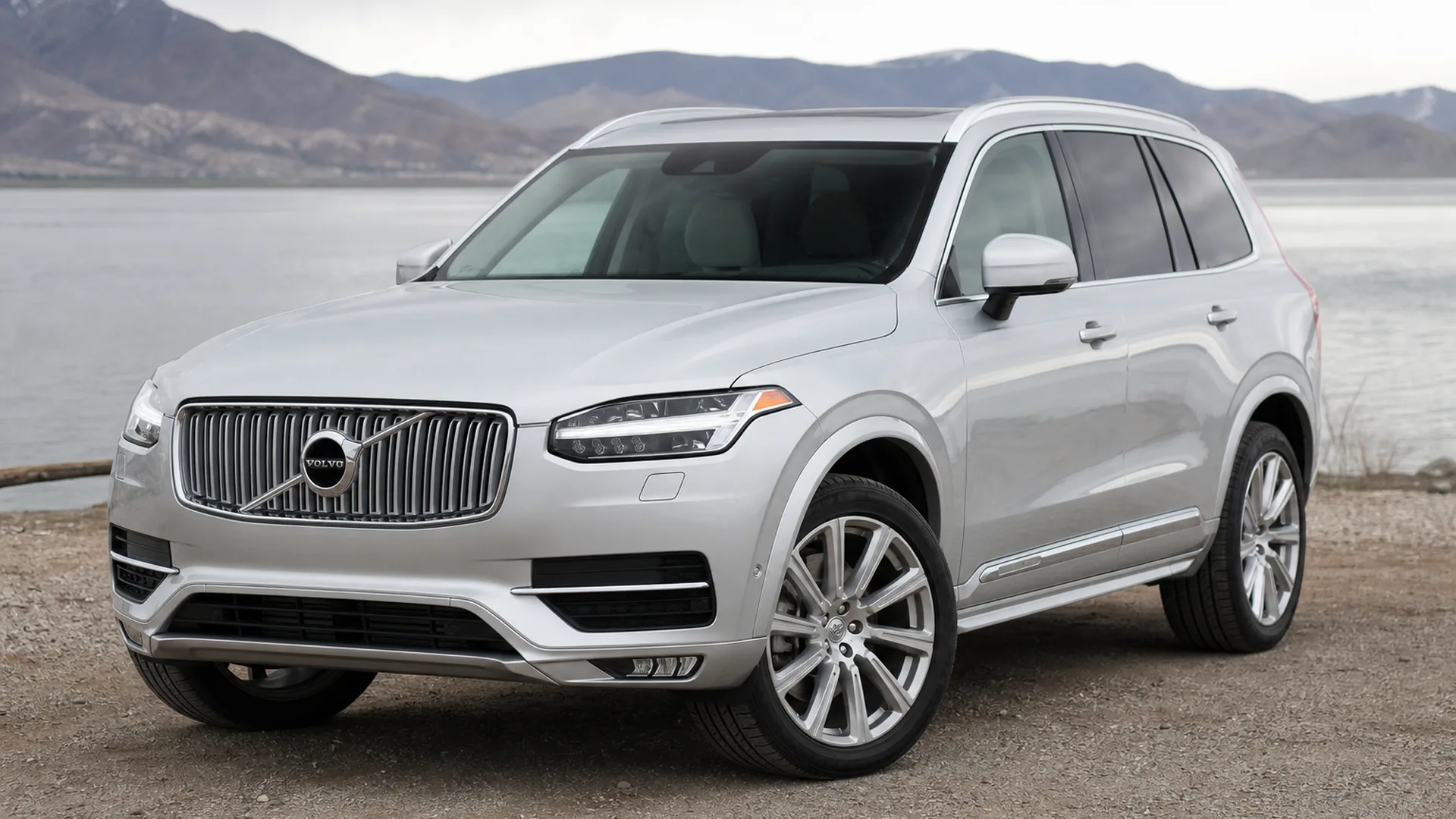
If you’re in the market for a luxury SUV, understanding the Volvo XC90 years to avoid can save you thousands in repairs and frustration. The XC90 is known for its world-class safety ratings, refined Scandinavian design, and family-friendly comfort—but not every model year delivers the reliability that Volvo’s reputation suggests. Some versions are plagued by costly transmission failures, electrical system faults, and engine troubles that can quickly drain your wallet.
The worst Volvo XC90 years to avoid are 2003–2005, 2007, 2016, and 2018, which are known for major transmission failures, electrical faults, and costly engine or suspension problems. The best Volvo XC90 years to buy are 2009, 2013–2014, and 2020–2021, offering refined reliability, fewer recalls, and stronger owner satisfaction. If you’re shopping used, stick to these proven years for a balance of safety, luxury, and long-term dependability.
How we rated the best and Volvo XC90 Passat years
Our team analyzed data from multiple sources to give you the most accurate picture of XC90 reliability. We pulled complaint records from NHTSA’s database, cross-referenced recall information, and studied owner reports from CarComplaints, RepairPal, and Consumer Reports. We also combed through real-world feedback from Volvo forums like SwedeSpeed and Reddit’s r/Volvo community, where owners share their actual repair experiences and costs.
For the second-generation models, we tracked software update patterns and warranty extensions to understand how Volvo addressed early reliability issues. We even looked at international reliability surveys from What Car? in the UK and Australian automotive publications to get a global perspective on XC90 durability.
Most Common XC90 Problems
Before diving into individual issues, it’s important to understand that the Volvo XC90’s reliability varies widely depending on the generation and year. While Volvo’s engineering prioritizes safety and comfort, both the first- and second-generation models have struggled with mechanical and electronic consistency. The most common trouble areas involve transmission durability, electrical reliability, and engine performance. Below is a breakdown of the key recurring problems across different XC90 model years.
1. First-Generation Issues (2003–2014)
The original XC90’s biggest weakness was its transmission, particularly in early models. The GM-sourced 4-speed automatic in T6 versions often failed between 80,000–100,000 miles, requiring complete replacement at around $3,500.
Electrical problems were also frequent — owners reported dashboard module failures, ignition switch issues, and random warning lights that were difficult to diagnose.
Engine troubles weren’t uncommon either. The V8 models had a specific vulnerability where water could enter the engine valley through clogged cowl drains, causing the balance shaft bearing to rust and potentially destroy the entire engine. Oil leaks from valve covers and engine mounts became common maintenance concerns as mileage increased.
2. Second-Generation Challenges (2016–Present)
The redesigned XC90 brought advanced technology — and a new set of problems. Early 2016–2017 models were known for excessive oil consumption caused by faulty piston rings, sometimes requiring full engine replacement under warranty.
The Sensus infotainment system became a recurring complaint, with owners reporting frozen screens, blank displays, and failed over-the-air updates.
Air suspension systems on equipped models also caused headaches, as compressors commonly failed around the 4–5-year mark with replacement costs exceeding $1,000. Even brake pads wore out faster than expected, largely due to the XC90’s heavy 4,500+ pound curb weight.
Absolute Worst Volvo XC90 Years to Avoid
2003-2005: Transmission Disaster Years
These early models represent everything that could go wrong with a first-generation launch. The 2005 XC90 holds the dubious honor of having transmission failure as its most-reported problem, typically occurring around 101,000 miles. CarComplaints data shows the average repair cost hitting $3,500 – often more than these vehicles are worth today.
The 2004 model year logged 24 separate owner complaints, with many reporting sudden power loss while driving. These aren’t minor inconveniences – they’re safety hazards that left owners stranded on highways. Skip these years entirely unless you’re prepared to immediately replace the transmission.
2007: The First Generation’s Worst Year
Despite Volvo’s attempts to fix earlier problems, the 2007 XC90 somehow managed to combine the worst aspects of old and new issues. Owners reported premature transmission failures even with the “improved” 6-speed automatic, plus new problems like clicking noises during acceleration and rough gear shifts.
What makes 2007 particularly frustrating is that it should have been better. By this point, Volvo had phased out the problematic T6 engine, yet 2007 models still suffered many of the same drivetrain issues that plagued earlier years.
2016: The Second Generation Nightmare
The 2016 XC90 holds the record for most NHTSA complaints of any XC90 model year – and for good reason. This completely redesigned SUV suffered from what can only be described as beta-testing problems that should have been caught before production.
Some owners experienced catastrophic engine failure while driving, with repair costs averaging $20,000 for complete engine replacement. The infotainment system crashed regularly, various sensors threw false warnings, and the vehicle was subject to at least 10 separate recalls addressing everything from airbag malfunctions to fire-causing coolant leaks.
2018: Unexpected Mid-Cycle Problems
By 2018, you’d expect most second-generation issues to be resolved, but this year proved problematic in its own right. The most concerning issue was transmission slippage – the 8-speed automatic would occasionally lose power transmission, almost like shifting into neutral while driving.
Suspension problems also plagued 2018 models, particularly those equipped with air suspension. Owners reported loud thumping noises, suspension failure warnings, and uneven ride height – all pointing to expensive compressor or air spring failures.
The Best Volvo XC90 Years Worth Buying
2009: Sweet Spot of the First Generation
The 2009 XC90 represents what happens when Volvo gets it right. By this year, the company had eliminated the problematic T6 powertrain and worked out most electrical bugs. CarComplaints shows zero reported problems for 2009 – a remarkable achievement that speaks to this year’s reliability.
These models typically feature the 3.2L inline-six engine paired with a 6-speed automatic – not the most exciting combination, but proven to be durable. Owners regularly report reaching 150,000+ miles with only routine maintenance, making 2009 an excellent used car choice.
2013-2014: Final Evolution Perfection
The last years of first-generation production benefit from over a decade of continuous improvement. The 2014 XC90 particularly stands out with minimal reported problems and strong owner satisfaction ratings. These models offer modern conveniences like Bluetooth connectivity while maintaining the simplicity that makes them reliable.
Without complex hybrid systems or advanced infotainment to fail, these late first-generation models focus on what Volvo does best: building solid, safe vehicles that last. They also cost significantly less than second-generation models while offering similar utility and safety.
2020-2021: Second Generation Maturity
The 2020 XC90 represents the sweet spot of the current generation. By this point, Volvo had addressed most early reliability issues, upgraded the infotainment hardware to be more responsive, and refined the overall ownership experience.
Consumer Reports rated the 2020’s reliability as “about average” – not stellar, but acceptable for a luxury SUV. More importantly, these models often come with remaining factory warranty coverage, providing protection against unexpected repairs.
How Volvo XC90 Reliability Compares to Competitors
Acura MDX: The Reliability Champion
If dependability is your top priority, the Acura MDX consistently outperforms the XC90. Honda’s luxury division has built a reputation for engineering reliability over complexity, and it shows in long-term ownership costs. The 2017-2020 MDX models are particularly recommended, offering modern features with proven durability.
The trade-off? The MDX’s interior lacks the XC90’s distinctive style and premium feel. But if you value peace of mind over aesthetics, the MDX is the smarter financial choice.
Audi Q7: Similar Luxury, Similar Problems
The Q7 follows a familiar pattern of European luxury SUVs – impressive when new, potentially expensive as they age. Like the XC90, first-year models of each generation (2007-2008 and 2017-2018) are best avoided. However, well-chosen years like the 2019-2020 Q7 can provide an excellent ownership experience.
Expect similar maintenance costs to the XC90, with the added complexity of German engineering. The Q7’s sportier driving dynamics might appeal to performance-oriented buyers willing to accept higher long-term costs.
BMW X5: Performance at a Price
The X5 offers the most engaging driving experience in this segment but comes with below-average reliability scores. RepairPal ranks it 13th out of 19 luxury SUVs for dependability, with annual maintenance costs exceeding $1,100.
If you must have an X5, stick to the 2016-2018 model years, which showed improved reliability over earlier generations. Just budget accordingly for higher maintenance and repair costs.
Smart Shopping Tips for XC90 Buyers
When shopping for any XC90, test the transmission thoroughly during your drive. Feel for smooth shifts, responsive acceleration, and listen for unusual noises. On second-generation models, spend time with the infotainment system – make sure it responds quickly and all functions work properly.
Check for any open recalls and verify they’ve been completed. For 2016-2017 models, confirm that any engine oil consumption issues have been addressed under warranty. On older models with air suspension, listen for compressor noise and check that the vehicle sits level when parked.
Budget approximately $850-1,000 annually for maintenance on any XC90 – this is higher than average due to European parts costs and complexity. However, a well-maintained XC90 from a good year can easily reach 200,000 miles with proper care.
Is the Volvo XC90 worth buying?
The Volvo XC90 can be either a fantastic family SUV or an expensive mistake, depending entirely on which year you choose. Stick to proven winners like 2009, 2013-2014, or 2020-2021, and you’ll likely enjoy years of safe, comfortable driving. But stray into problem years like 2003-2005, 2007, or 2016, and you might find yourself on a first-name basis with your local Volvo service advisor.
If the XC90’s mixed reliability record makes you nervous, the Acura MDX offers similar utility with far fewer potential headaches. But for buyers willing to do their homework and choose carefully, a good XC90 delivers a unique combination of safety, style, and Scandinavian luxury that’s hard to find elsewhere.
The key is simple: avoid the problem years, target the proven ones, and always have a thorough pre-purchase inspection done by someone familiar with Volvos. Your wallet – and your stress levels – will thank you.