
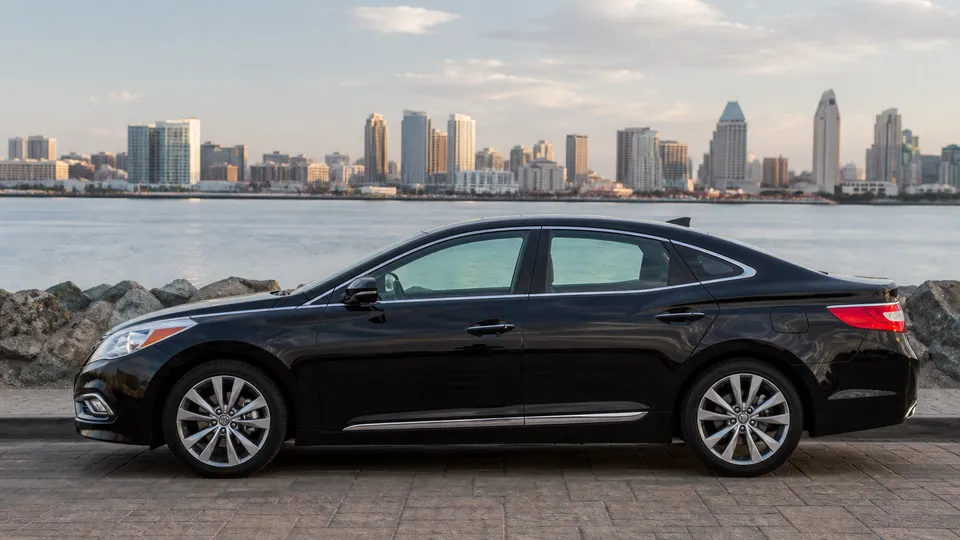
The Hyundai Azera is a roomy, well-equipped full-size sedan that earns a 4.0 out of 5.0 reliability rating from RepairPal, ranking it 1st among full-size cars for ownership costs. Most model years are solid used buys, but a handful carry serious engine, electrical, and safety-recall baggage that can cost you thousands. This guide uses NHTSA complaint data, CarComplaints PainRank, and RepairPal numbers to show you exactly which years to skip and which ones to seek out.
For tire sizes, ABS/GDI notes, and buying advice in one place, see the Hyundai Azera hub.
At a glance
- Worst years
- 2006
- 2007
- 2008
- 2012
- 2013
- Best years
- 2015
- 2016
- 2017
- Top failure
- 1st-gen ABS fire risk and engine noise on startup (CarComplaints PainRank worst: 2007; NHTSA complaint volume peak: 2006)
- Always do before buying
- Run the VIN through NHTSA's recall checker, plus check the oil level and listen for a cold-start clatter on any 2012-2013 model
How we rated the best and worst Hyundai Azera years
The 1st generation (2006-2011) carries the worst overall record by CarComplaints PainRank, with 2007 rated the single worst year on repair cost and mileage-at-failure, while 2006 holds the highest raw complaint volume across all Azera model years on CarComplaints.
The Hyundai Azera reliability rating is 4.0 out of 5.0 from RepairPal, which ranks it 1st out of 12 for full-size cars, with an average annual repair cost of $458. We rated each year using NHTSA complaint and recall data, CarComplaints per-year complaint counts and PainRank (which weighs repair cost and mileage-at-failure), RepairPal repair costs, and owner forum input. CarComplaints rates the 2007 model year as worse than 2006 because of higher repair cost or more problems at lower mileage, even though the 2006 has the most overall complaints. NHTSA complaint volume is a separate dataset that measures raw complaint counts, and the two sources do not always agree on which year is worst.
| Hyundai Azera Generation | Best Hyundai Azera Years | Worst Hyundai Azera Years |
|---|---|---|
| 1st gen (2006-2011) | None | 2006, 2007, 2008 |
| 2nd gen (2012-2017) | 2015, 2016, 2017 | 2012, 2013 |
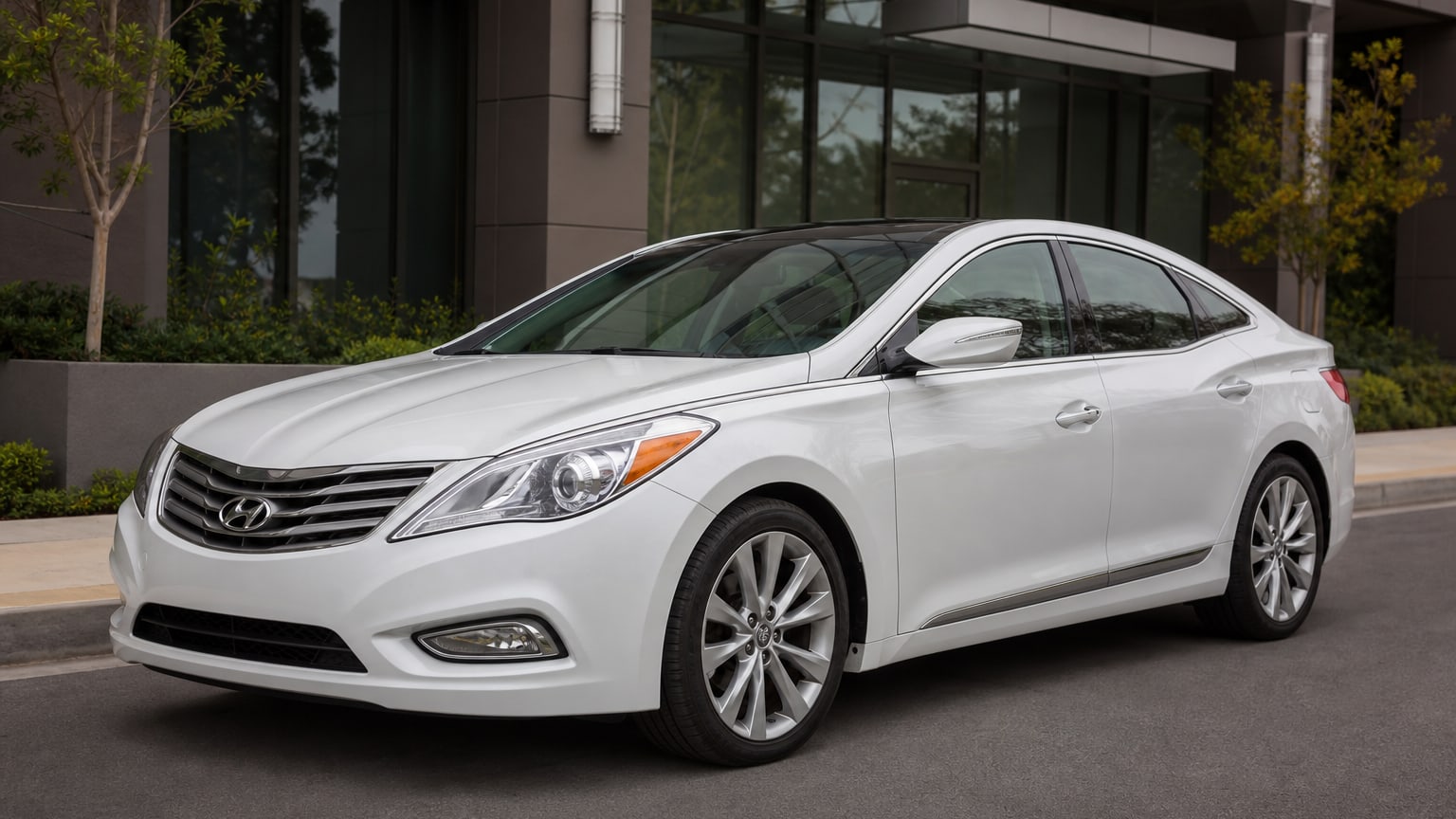
Every Hyundai Azera model year ranked
The 2006 and 2007 model years carry the most complaints across the entire Azera lineup, while 2015-2017 are the cleanest picks for used buyers today.
The United States first saw the Azera in 2006 in its fourth generation. Note that the Azera name was used globally on earlier Grandeur generations sold in other markets; those pre-2006 vehicles are a separate collector market not assessed here.
| Model Year | Generation | Verdict | Notes |
|---|---|---|---|
| 2006 | 1st gen (US) | Avoid | Highest raw complaint volume (306 on CarComplaints); ABS fire recall |
| 2007 | 1st gen (US) | Avoid | CarComplaints PainRank worst; 9 recalls; engine noise, ABS fire |
| 2008 | 1st gen (US) | Avoid | High complaints; ABS fire recall; timing chain noise |
| 2009 | 1st gen (US) | OK/Mixed | Complaint count drops; minor issues remain |
| 2010 | 1st gen (US) | OK/Mixed | Low complaints; still covered by some 1st-gen recalls |
| 2011 | 1st gen (US) | OK/Mixed | Transitional year; 3 known recalls but fewer owner complaints |
| 2012 | 2nd gen | Avoid | 99 CarComplaints reports; engine clatter at startup; GDI oil issues |
| 2013 | 2nd gen | Avoid | 169 CarComplaints reports; GDI engine stalls; steering complaints |
| 2014 | 2nd gen | OK/Mixed | 60 CarComplaints reports; transmission and exhaust concerns |
| 2015 | 2nd gen | Best | 16 CarComplaints reports; fewest issues of the generation |
| 2016 | 2nd gen | Best | 1 RepairPal reported problem; speaker issue only |
| 2017 | 2nd gen | Best | Apple CarPlay/Android Auto standard; cleanest late-gen pick |
Most common Hyundai Azera problems
The single biggest recurring failure across both Azera generations is ABS module fire risk and cold-start engine noise, both of which have triggered formal NHTSA recalls. Below are the five most documented problem categories, ordered by seriousness.
1. ABS module fire risk (2006-2015 Azera)
Water could enter the anti-lock brake module and cause an electrical short, which increases the risk of fire whether the vehicle is on or off. Owners have reported complete vehicle fires while the car was parked and unattended, with the engine off and no key in the ignition.
The NHTSA campaign number for the 1st-gen recall is 18V-026, Hyundai campaign 172. Hyundai’s fix installs a relay in the vehicle’s main junction box to prevent the risk of an ABS short-circuit while the car is turned off, free of charge. The 2nd-gen vehicles got a separate but related campaign: Hyundai recalled certain 2012-2015 Azera vehicles because the ABS module may leak brake fluid internally and cause an electrical short, which can result in an engine compartment fire while parked or driving. Hyundai’s number for that recall is 251.
Until each recall is confirmed complete on the specific VIN you are buying, the risk is live. Run the NHTSA VIN checker before handing over any money, and if the repair has not been done, insist the dealer complete it first. The SRS and fire-related warning lights that sometimes illuminate before a module failure are an early tip-off to have the car inspected.
2. Cold-start engine clatter / timing chain noise (2006-2013)
The most-reported single problem across all Azera model years on CarComplaints is the 2012 Hyundai Azera for loud clatter at startup. The symptom is a harsh rattling or knocking noise that appears when the engine is cold, typically after it has sat overnight, and often fades as oil pressure builds.
RepairPal documents improved timing chain tensioners available to correct startup noise on the 2008 Azera, and the same fix appears across the 2006-2011 range. Owners on CarComplaints describe a loud clattering noise when starting the car that does not go away, with dealers reportedly telling buyers this is normal.
On 2012-2013 GDI-engine cars, the knock escalates into full engine failure in severe cases. CarComplaints lists the average cost to fix the worst engine complaints on the Azera at $3,200, with the problem appearing around 41,000 miles on average. If you are considering a 2012 or 2013, check the oil level before purchase and listen for any ticking or rod-knock-style noise on a cold start.
3. GDI engine oil consumption and stalling (2012-2013)
Owners report that the GDI Lambda engine fitted to the 2013 Azera has oil consumption issues. In 2023, Hyundai approved repairs for vehicles suffering premature engine failures due to low oil, metal debris, and engine fire on GDI engines across Kia and Hyundai vehicles, though this suit did not specifically cover the Azera’s 3.3 GDI engine.
Hyundai recalled more than one million vehicles to address a manufacturing issue that could lead to engine failure, with the majority of incidents limited to engine knocking but some cases also involving stalling. The Azera’s 3.3L GDI shares architecture with engines covered by broader Hyundai campaigns, so stalling at highway speeds and catastrophic engine failure are real risks on high-mileage 2012-2013 cars.
Repair costs for a full engine replacement can reach $5,000 or more. Check the oil at every visit and confirm there is no milky residue or burning smell on the dipstick before purchase. Excessive water or steam coming from the exhaust on a 2012-2013 may point to deeper engine distress.
4. Motor-driven power steering (MDPS) failure (2012-2013)
The 2012 and 2013 Azera models experienced a widespread and recurring issue with their steering system, specifically related to problems with the Motor Driven Power Steering (MDPS). Owners describe sudden heavy steering or a complete loss of power-assist, most often at low speeds or during parking maneuvers.
The worst complaints for the 2013 Azera include steering, engine, and fuel system problems. The most frequently reported problem areas for the 2012-2017 generation as a whole are steering, brakes, and engine, according to NHTSA complaint data. MDPS unit replacement typically runs $800-$1,200 at an independent shop, and it is wise to test the steering wheel at both full lock stops during a test drive.
5. Rear crossmember corrosion (2006-2011, rust-belt states)
Hyundai recalled 2006-2011 Azera vehicles originally sold or currently registered in certain northern states because road salt and water can enter portions of the rear crossmember, leading to corrosion of the crossmember steel, which may lead to detachment of one of the rear control arms.
Road salt and water entering the rear crossmember can lead to corrosion and potentially detachment of a rear control arm. This is primarily a risk for cars that spent their lives in the upper Midwest, Northeast, or Mid-Atlantic. On any 2006-2011 Azera from those states, put the car on a lift and inspect the rear crossmember for rust scale before buying. Crossmember repair or replacement can run $1,500-$2,500 depending on severity.
Which Hyundai Azera years should you avoid?
The Hyundai Azera years to avoid are 2006, 2007, 2008, 2012, and 2013. CarComplaints rates the 2007 model year as the worst for repair cost and mileage-at-failure (PainRank), while the 2006 carries the highest raw complaint volume at 306 total reports on CarComplaints. These are two different measurements from the same data platform, so 2007 is the CarComplaints “worst” year while 2006 is the “most complained-about” year.
| Hyundai Azera Generation | Model Years | Verdict | Main Issues |
|---|---|---|---|
| 1st gen (US) | 2006-2011 | Worst: 2006, 2007, 2008 | ABS fire recall (18V-026), engine noise, rear crossmember corrosion |
| 2nd gen | 2012-2017 | Worst: 2012, 2013 | GDI engine knock, MDPS steering failure, ABS fire recall (recall 251\) |
Worst Hyundai Azera years: 2006, 2007, 2008, 2012, 2013
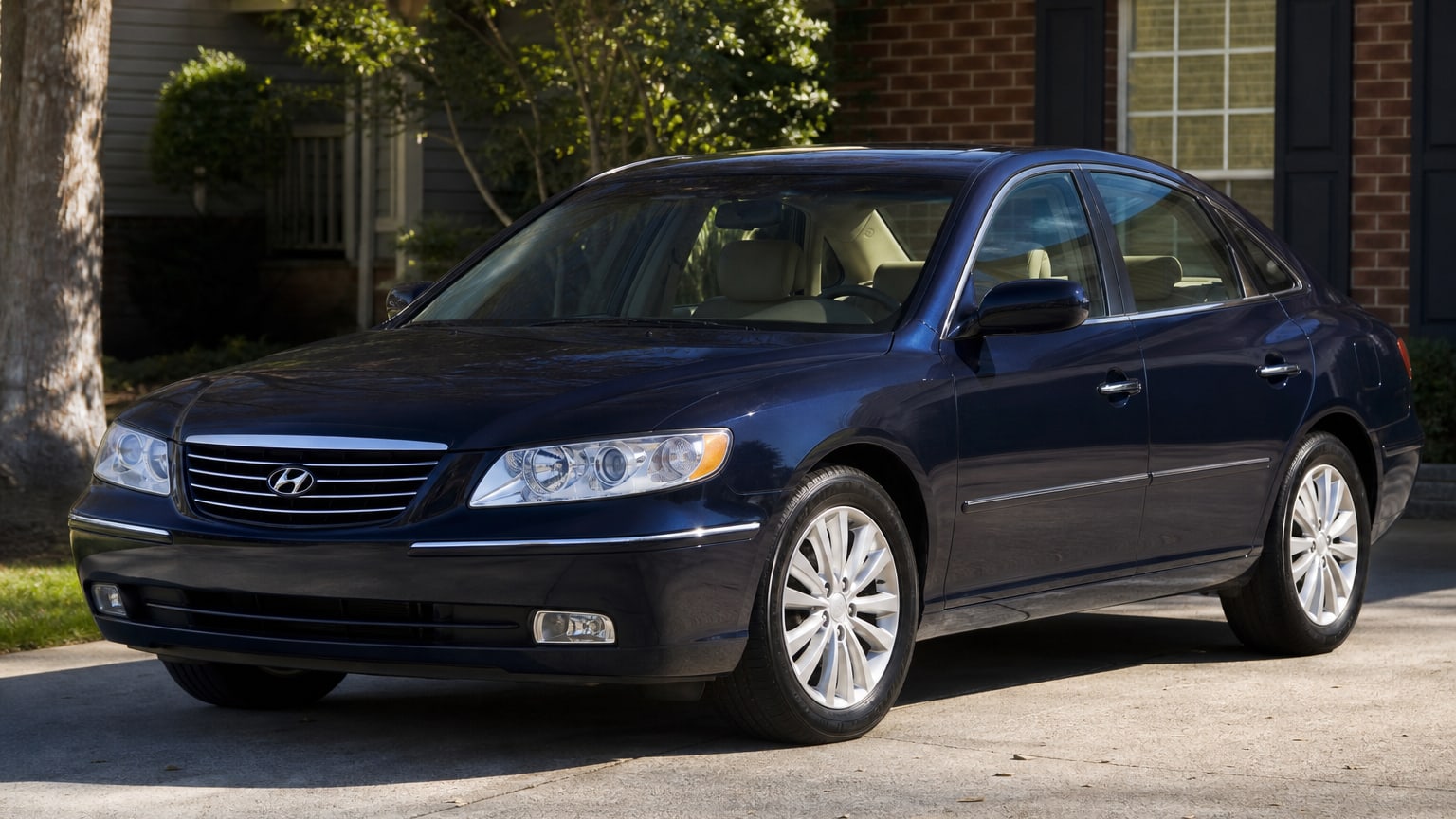
First-generation Hyundai Azera (2006-2008)
The 2006 Hyundai Azera has 306 problems and defects reported by owners on CarComplaints, with the worst complaints in the engine, electrical, and lights categories. The 2007 has 205 problems reported, with the worst in accessories/interior, engine, and brakes.
The 2007 Hyundai Azera has been recalled 9 times by NHTSA, covering issues from the ABS fire risk to stop lamp switch failure and rear crossmember corrosion. The 2006-2011 generation accumulated 442 NHTSA complaints in total. Given the fire-risk recall, that volume of complaints, and the low mileage at which problems tend to surface on the 2007, these three opening years are the most significant ones to avoid.
Second-generation Hyundai Azera (2012-2013)
The 2013 Hyundai Azera has 169 problems reported on CarComplaints, with the worst complaints in steering, engine, and fuel system. The 2012 has 99 reported problems, with the worst in engine, steering, and windows/windshield.
The 2012-2017 generation accumulated 266 NHTSA complaints, with the most frequently reported problem areas being steering, brakes, and engine. The 2012 and 2013 account for the bulk of those complaints. There are 3 NHTSA recalls affecting some 2012-2017 Hyundai Azera vehicles. If you must consider this generation, prioritize 2014 or later, after Hyundai addressed the worst GDI engine and MDPS issues.
What are the best Hyundai Azera years to buy?
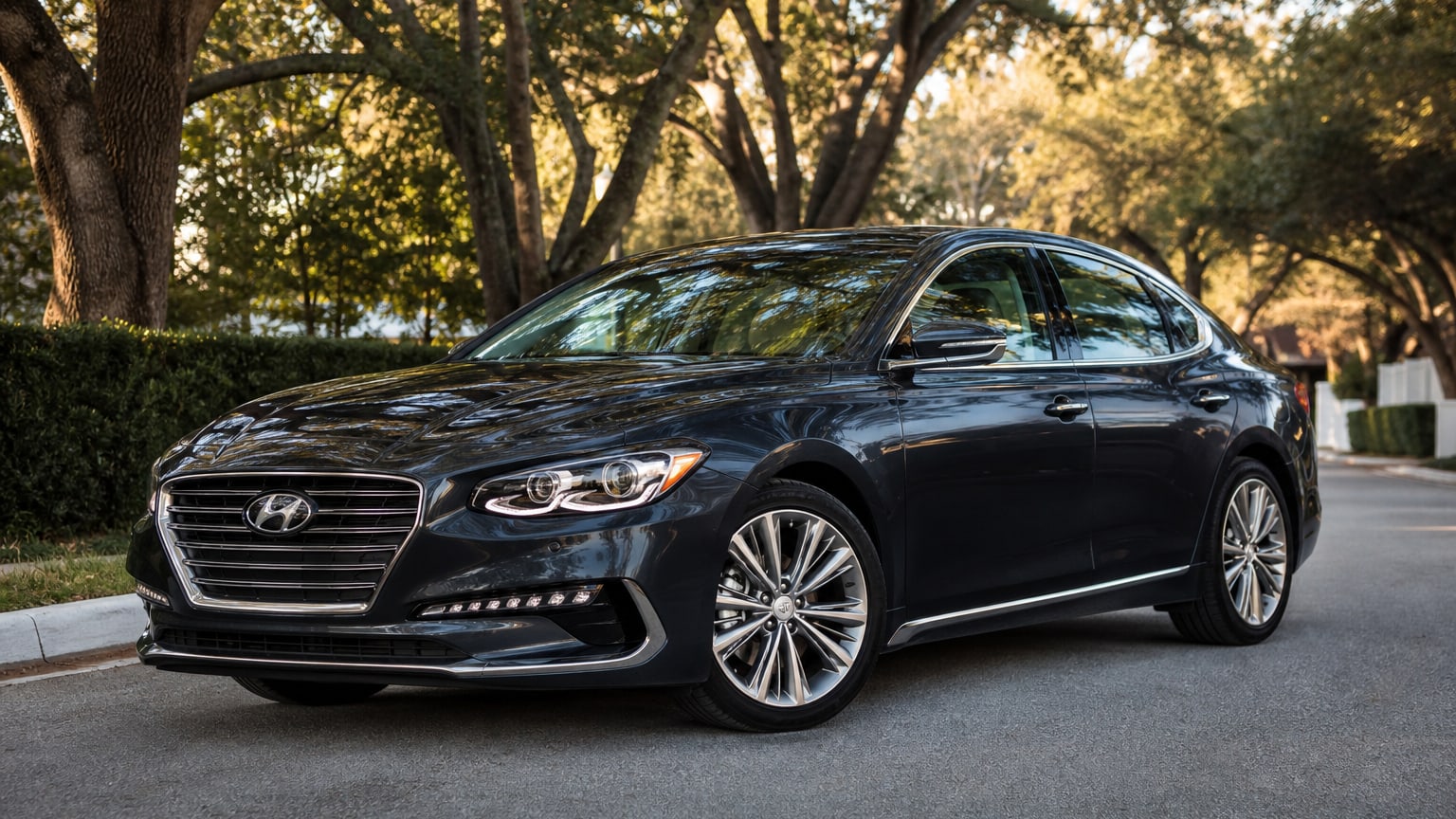
The best Hyundai Azera years to buy are 2015, 2016, and 2017. These three model years have the fewest complaints, the fewest open recalls in the 2nd-gen lineup, and the most modern feature sets.
| Best Hyundai Azera Year | Why It's a Strong Buy |
|---|---|
| 2015 | Only 16 CarComplaints reports; refresh year with updated styling |
| 2016 | 1 RepairPal reported problem; annual repair cost range $365-$447 |
| 2017 | Apple CarPlay/Android Auto standard; cleanest 2nd-gen pick |
Most reliable Hyundai Azera years: 2015, 2016, 2017
2017 Hyundai Azera
The 2017 Azera features Apple CarPlay/Android Auto connectivity, heated and ventilated front seats, hands-free automatic trunk opening, navigation, and a 293-hp V-6 engine as standard equipment. It is the last model year sold in the US and benefits from every mid-cycle refinement Hyundai made to the 2nd-gen platform.
The 2017 posts the lowest complaint count of any 2nd-gen year on CarComplaints, with just a handful of reports. The model-wide RepairPal reliability rating is 4.0 out of 5.0, ranking it 1st out of 12 full-size cars, with an average annual repair cost of $458. For a large, feature-rich sedan, that running cost is one of the better values in its class.
2015 Hyundai Azera
The 2015 Hyundai Azera has just 16 problems and defects reported on CarComplaints, with the worst complaints in the exhaust system. The 2015, 2016, and 2017 models represent the best selections in the Azera lineup, with the 2015 introducing the most notable updates.
The 2015 also marks the point where the worst GDI engine and MDPS complaints from 2012-2013 had been addressed through dealer service updates and revised parts. At typical used-car prices, a clean 2015 Azera with full service records offers near-luxury features for a mainstream budget.
2016 Hyundai Azera
The 2016 Azera has just 1 reported problem on RepairPal, specifically a speaker audio issue on navigation-equipped models. The annual maintenance cost for the 2016 is $406. Adaptive cruise control became available this year, adding to an already well-equipped standard package. A 2016 with complete service documentation is one of the stronger value picks in the full-size sedan used-car segment.
Hyundai Azera pre-purchase checklist
Before committing to any used Azera, work through these model-specific checks.
- Run the VIN through NHTSA’s recall checker. Confirm that NHTSA recall 18V-026 (1st gen ABS fire, Hyundai campaign 172) and recall 251 (2nd gen ABS fire) are both shown as completed for the specific VIN. If either is open, do not accept the car until the dealer closes it at no charge.
- On 2012-2013 cars, check the oil level cold before starting. Low oil on a cold engine in these GDI-equipped cars is an immediate red flag for the known oil-consumption problem. Look for metal flakes on the dipstick and smell for a burnt or acrid odor.
- Listen for cold-start clatter. Start the car after it has sat overnight. A knocking noise from the engine that increases in frequency as engine rpm increases, combined with reduced power or illumination of the check engine light, are warning signs of serious engine distress.
- Test the steering at low speed. On 2012-2013 models, turn the wheel slowly from stop to stop in a parking lot. Any jerkiness, momentary loss of assist, or grinding from the steering column suggests MDPS problems.
- On 2006-2011 cars from northern states, get a lift inspection. Have a mechanic check the rear crossmember for salt corrosion. Road salt and water entering the rear crossmember can cause corrosion and lead to detachment of a rear control arm, which is a serious safety issue.
- Request full service records. Look for regular oil-change intervals (especially on 2012-2013 GDI cars) and any dealer repairs tied to recall campaigns.
- Check transmission shift quality. The 2014 Azera’s worst complaints include transmission problems, and a slipping or shuddering automatic is expensive to address. Test all gear ranges during the drive.
Better alternatives to consider
If the Azera years in your budget land on the avoid list, consider these alternatives in the same full-size or near-luxury sedan segment:
- Hyundai Genesis - the larger, more premium stablemate with a similar ownership cost profile and a clearer generation boundary separating its problem years from its strong ones
- Toyota Avalon - the segment benchmark for long-term reliability in a full-size front-wheel-drive sedan, with lower complaint density across most model years
- Kia Cadenza - shares the same Hyundai-Kia platform era as the 2nd-gen Azera and offers a direct comparison for shoppers cross-shopping the 2015-2019 range
- Hyundai Elantra - a step down in size but one of the cleanest Hyundai reliability records if a smaller footprint works for your needs
Is the Hyundai Azera worth buying?
Yes, the Hyundai Azera is worth buying as long as you avoid the 2006, 2007, 2008, 2012, and 2013 model years. The average total annual cost for repairs and maintenance on a Hyundai Azera is $458, compared to an average of $590 for full-size cars and $652 for all vehicle models, making it one of the more affordable full-size sedans to own over time. The 2015, 2016, and 2017 models had significantly fewer reported issues and represent the safest path to a well-equipped, near-luxury sedan at a used-car price.
Run the VIN through NHTSA’s recall lookup tool before every purchase, and on any 2012-2013 car specifically confirm the oil level and listen for a cold-start knock before driving away.